


Baja California Invites Tourists to Witness Gray Whale Migration, Boosting Sustainable Marine Tourism in Ensenada
Share your love
 -Editorial
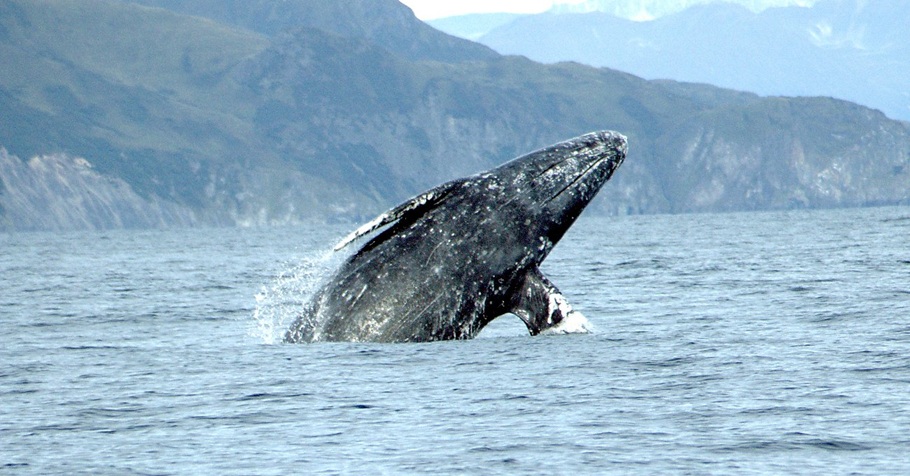
Baja California Secretary of Tourism Miguel Ángel Badiola Montaño invited travelers to attend the gray whale watching season in Baja California, describing the annual migration as a prominent natural event that positions the port of Ensenada among key observation points along Mexico’s Pacific coast.
Each winter, gray whales undertake one of the longest known migrations of any mammal, traveling up to 18,000 kilometers (about 11,200 miles) round-trip from Arctic feeding grounds to the warm coastal lagoons of Baja California. The region’s protected waters serve as breeding and calving areas, where adult whales give birth and nurse their young before beginning the northbound journey in spring.
In the municipality of Ensenada, sightings are typically reported in maritime zones near Islas Todos Santos and in coastal waters surrounding La Bufadora, where ocean depth, currents, and proximity to the migration route create favorable conditions for observation. Local tour operators conduct guided excursions that allow visitors to observe whales during their seasonal passage while maintaining regulated distances intended to minimize disturbance.
Badiola said whale watching contributes to the development of nature-based tourism in the region, supporting local businesses and reinforcing conservation awareness. Tourism authorities reported that seasonal visitation associated with whale watching generates economic activity for service providers including tour operators, hospitality businesses, and coastal communities.
Although gray whales are known for their size and endurance, conservation authorities note that the species faces ongoing environmental pressures, including marine pollution, incidental capture in fishing gear, and increased vessel traffic along migration routes. In Mexico, the gray whale is listed under a special protection category, requiring management measures to safeguard the species and its habitat.
Officials recommend that visitors book excursions only with vessels certified by the Secretaría de Medio Ambiente y Recursos Naturales, Mexico’s federal environmental authority, and comply with instructions provided by authorized captains and guides. Regulations include limits on vessel proximity, speed, and observation time intended to ensure both visitor safety and minimal disruption to marine wildlife.
As part of broader conservation and safety efforts, a training program titled “Recommended Vessels” was conducted by Caracol Museo de Ciencias, Investigación y Conservación de Mamíferos Marinos de Ensenada A.C. in collaboration with Indómita Aventuras Educativas. The program focuses on best operational practices for whale-watching tours, including navigation protocols, wildlife protection guidelines, and visitor education.
Tourism authorities said the initiative aims to strengthen responsible tourism practices while supporting long-term conservation of gray whales and marine ecosystems along Baja California’s Pacific coastline.
Badiola reiterated the invitation for travelers to experience the migration season while observing environmental guidelines intended to protect the species and promote sustainable tourism development across Baja California.