


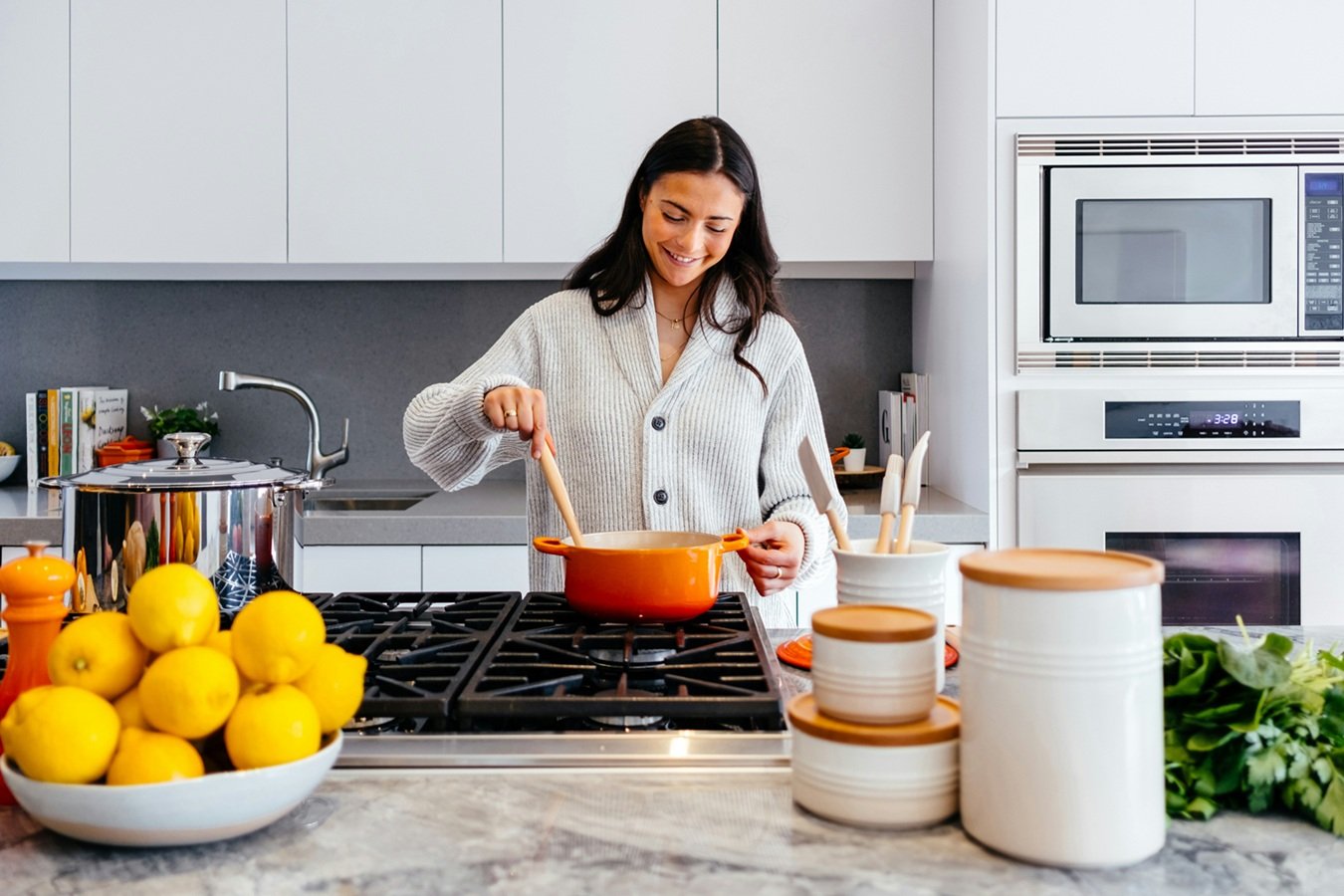

Home Cooking: A Lifestyle Choice That Pays Off
Share your love
 -Editorial
In today’s fast-paced world, where takeout, food delivery apps and restaurant dining have become part of everyday life, cooking at home may seem like an inconvenience. However, growing scientific evidence shows that preparing meals at home is one of the smartest investments people can make—not only for their health but also for their finances. From reducing grocery bills to lowering the risk of chronic diseases, home cooking offers benefits that extend far beyond the kitchen.
For many American families, eating out has become a significant household expense. According to the U.S. Bureau of Labor Statistics https://www.bls.gov/opub/ted/2026/the-new-year-and-household-spending.htm, consumers spend thousands of dollars each year on food away from home, including restaurants, fast food and prepared meals. While grocery prices have risen in recent years, home-cooked meals generally remain far more affordable than dining out. Purchasing ingredients in bulk, planning weekly menus and making use of leftovers can significantly reduce food costs and help families get the most value from every grocery trip.
Research shows the financial savings can be substantial. According to the U.S. Department of Agriculture (USDA), meals prepared at home typically cost about 50% less than comparable meals purchased at restaurants. Personal finance experts also estimate that bringing lunch from home instead of buying it five days a week can save an individual between $2,000 and $3,000 annually, depending on where they live and their dining habits. Likewise, families that replace just two restaurant dinners each week with home-cooked meals can save more than $1,500 per year. Combined with meal planning and reduced food waste, cooking at home remains one of the simplest and most effective ways to strengthen a household budget.
For residents of communities with fewer grocery options, such as Imperial Valley, thoughtful planning can make an even bigger difference. Shopping at local farmers’ markets, purchasing seasonal produce, buying in bulk when possible and preparing meals ahead of time can help stretch every dollar while ensuring access to fresh, nutritious foods.
The financial savings are only part of the equation. Research consistently shows that people who cook at home tend to have healthier diets. A study published in Public Health Nutrition found that individuals who frequently prepare meals at home consume fewer calories, less added sugar, less saturated fat and lower levels of sodium than those who regularly eat restaurant meals—even when they are not trying to lose weight.
Restaurant meals often contain larger portions and higher amounts of sodium, unhealthy fats and added sugars to enhance flavor and extend shelf life. At home, families have complete control over ingredients, cooking methods and portion sizes. Simple changes such as grilling instead of frying, using herbs and spices instead of excess salt, and incorporating more fruits, vegetables and whole grains into meals can make a meaningful difference in overall health.
The Centers for Disease Control and Prevention (CDC) encourages families to prepare meals at home because it promotes healthier eating habits. The agency recommends building meals around fruits, vegetables, whole grains, lean proteins and low-fat dairy products while limiting processed foods, added sugars and sodium. These eating patterns help maintain a healthy weight and reduce the risk of obesity, Type 2 diabetes and other chronic illnesses.
Similarly, the American Heart Association recommends home cooking as one of the easiest ways to improve heart health. Preparing meals at home allows people to include more vegetables, fruits, legumes, whole grains, fish and lean proteins while reducing saturated fats, sodium and added sugars. According to the organization, these dietary habits can help lower blood pressure, improve cholesterol levels and reduce the risk of heart disease and stroke—two of the leading causes of death in the United States.
Home cooking also promotes healthier portion control. Restaurant servings are often two to three times larger than recommended serving sizes, making it easy to consume more calories than necessary. Preparing meals at home allows individuals to build balanced plates that better meet their nutritional needs without sacrificing flavor or satisfaction.
The benefits extend beyond physical health. Cooking has increasingly been recognized as an activity that supports emotional and mental well-being. Preparing meals requires focus, creativity and organization, making it a natural form of mindfulness that helps people disconnect from daily stress. Completing a meal from scratch also provides a sense of accomplishment and confidence.
Research published in the Journal of Positive Psychology found that engaging in creative activities—including cooking—is associated with greater happiness, higher life satisfaction and improved daily mood. For many people, the kitchen becomes a place to relax, learn new skills and spend meaningful time with loved ones.
Family meals prepared at home offer lasting benefits as well. Studies have shown that children who regularly share home-cooked meals with their families tend to consume more fruits and vegetables, develop healthier eating habits and perform better academically. Family dinners also encourage communication, strengthen relationships and provide valuable opportunities to disconnect from screens and reconnect with one another.
Learning to cook does not require professional culinary training. Starting with simple recipes, preparing meals in advance and cooking larger batches for leftovers can make home cooking practical, enjoyable and sustainable. Over time, these small habits can lead to significant improvements in both health and financial well-being.
Ultimately, home cooking is much more than preparing food—it is an investment in a healthier future. It supports better nutrition, reduces household expenses, strengthens family relationships and contributes to improved mental well-being. As healthcare costs continue to rise and chronic diseases become increasingly common, one of the most powerful tools for improving health and protecting your finances may already be waiting at home: your own kitchen.