


Baja California Tourism Secretary Invites Public to Mexicali Chinese New Year Festival
Share your love
 -Editorial
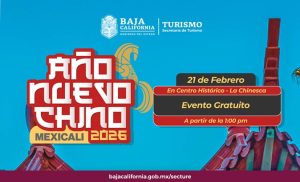
The Baja California Secretary of Tourism, Miguel Ángel Badiola Montaño, invited residents and visitors to attend the 2026 Chinese New Year Festival, celebrating the Year of the Fire Horse. The free event will take place Saturday, Feb. 21, from 1 to 8 p.m. in La Chinesca, a historic district in Mexicali known for its cultural heritage.
The Chinese New Year, also referred to as the Spring Festival, is considered the most significant holiday in the traditional Chinese calendar. It is based on the lunar calendar and typically falls between late January and February. The holiday marks the start of a new cycle and is observed with family gatherings, cultural rituals, and various artistic and culinary traditions that symbolize renewal, prosperity, and good fortune.
Festival organizers said attendees can expect a range of activities designed for family participation and cultural appreciation. The program includes traditional Chinese cuisine, live performances such as dragon and lion dances, musical presentations, and visual arts demonstrations. A cultural bazaar will allow visitors to engage with local and Chinese artisans, purchase handcrafted items, and experience the diversity of the region’s heritage.
Badiola Montaño noted that the event aligns with Governor Marina del Pilar Ávila Olmeda’s efforts to promote cultural activities that provide recreational opportunities for families, strengthen local identity, and support tourism. “Events like this allow communities to connect, celebrate traditions, and share their cultural richness with visitors,” he said.
The 2026 zodiac, the Year of the Horse, symbolizes energy, perseverance, and progress in Chinese culture. Traditionally, the horse is associated with initiative, discipline, and forward movement, making the year favorable for work, personal growth, and new ventures, according to cultural experts.
Badiola Montaño also emphasized the historical significance of the Chinese community in Baja California. He said La Chinesca has become a cultural and tourist landmark, reflecting the region’s multicultural heritage. “Celebrations such as this festival honor longstanding traditions, promote social integration, and strengthen cross-cultural understanding while offering residents and visitors an opportunity to enjoy a rich, family-oriented experience,” he said.
The festival is open to the public with no admission fee. Organizers encourage families and tourists to attend and participate in the day-long celebration.