


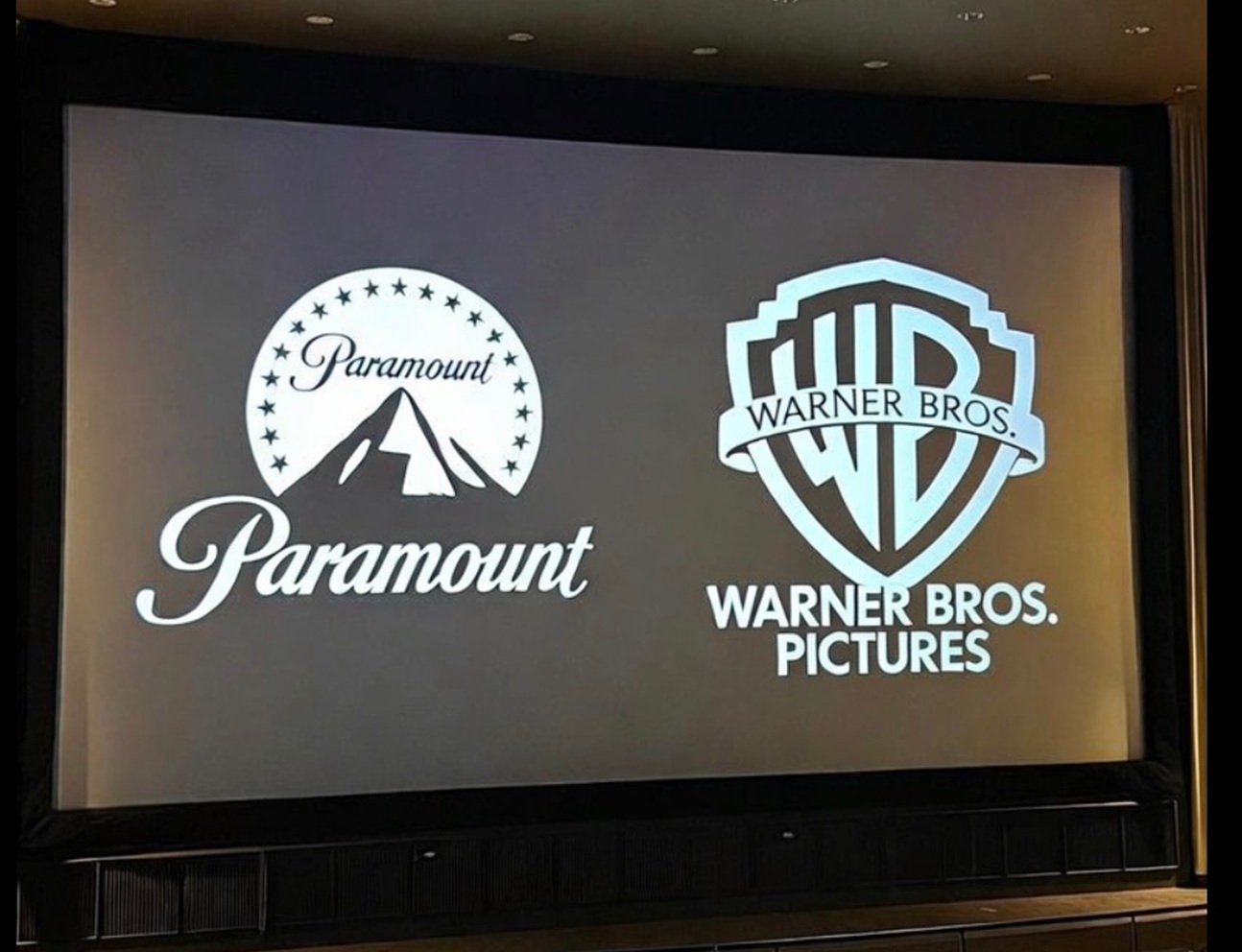

California Delays Warner Bros.-Paramount Merger as Antitrust Fight Moves Forward
Share your love
-Editorial
California Attorney General Rob Bonta announced an agreement with Warner Bros. and Paramount that will delay the companies’ proposed $110 billion merger until at least June 1, 2027, or until a federal court issues a decision on a legal challenge filed by a coalition of state attorneys general, whichever occurs first.
The agreement comes after Bonta and attorneys general from 12 states filed a lawsuit last week seeking to block the transaction, alleging the merger would unlawfully reduce competition in the entertainment industry. Earlier this week, Bonta secured a temporary restraining order that paused the proposed merger while the court considers the states’ claims.
Under the agreement announced Monday, Warner Bros. and Paramount will not complete the merger until five days after a court rules on the merits of the states’ lawsuit or until June 1, 2027, whichever comes first. If the court rules in favor of the states, the merger would remain blocked while the companies pursue any appeal. If no decision is reached by June 1, 2027, the states may file a motion seeking a preliminary injunction to continue preventing the merger from moving forward.
Bonta said the agreement represents a significant step in the states’ effort to prevent what they describe as an unlawful consolidation of power in Hollywood.
“Too few corporations having too much power in markets central to American life makes things more expensive, and it makes things worse,” Bonta said in a statement. “Today’s agreement is great news for audiences, movie theaters, and the many people who write, build, and create the art, news and entertainment so many of us enjoy.”
The lawsuit argues that the merger would eliminate competition between Warner Bros. and Paramount, two of Hollywood’s major entertainment companies, and could negatively affect movie theaters, television distributors, creators and consumers.
Warner Bros. and Paramount are among the largest companies in the film and television industries. The proposed merger would combine two of the five major film distributors in Hollywood and two of the five major owners of basic cable networks, according to the California Attorney General’s Office.
The states allege the transaction would violate Section 7 of the Clayton Act, a federal antitrust law that prohibits mergers that may substantially reduce competition or create conditions that could lead to a monopoly.
The lawsuit identifies three primary markets where state officials believe competition could be harmed: theatrical film distribution, distribution of major blockbuster films and licensing of cable television channels.
The attorneys general argue that allowing the merger to proceed would give the combined company greater control over content production and distribution, potentially resulting in fewer movies and television programs, higher costs and fewer choices for consumers.
Paramount has rejected those claims and said the merger would strengthen competition rather than reduce it.
In a statement issued by Paramount SkyDance Corporation, the company said the lawsuit “distorts settled antitrust law” and does not reflect current conditions in the entertainment industry.
Paramount said the combined company would be better positioned to compete with large streaming and technology companies, including companies such as Netflix, that have gained significant influence over audiences, premium content and creative talent.
“The combination of Paramount and WBD will create a stronger, well-capitalized, creative-first media company that is better positioned to compete with companies like Netflix that have come to dominate the industry,” a Paramount spokesperson said.
The company argued that the merger would allow greater investment in film and television production, theatrical releases and creative talent. Paramount said the transaction would help increase content output at a time when the entertainment industry has faced significant disruption from changes in technology, streaming and audience behavior.
Paramount also said the merger would benefit entertainment workers by increasing production activity. The company said more films and television series would create additional opportunities for production crews, transportation workers, casting professionals, location workers and other industry employees.
The company has stated that the merged company would continue releasing at least 30 films annually for theatrical exhibition, including with a minimum 45-day theatrical window, while continuing to license content to outside partners.
Paramount also said the merger has undergone regulatory review in multiple countries and has received approval or clearance from competition and foreign investment authorities in numerous jurisdictions.
According to the company, regulators in countries including Australia, Canada, China, South Korea, Brazil, New Zealand and several European nations have either approved the transaction or allowed review periods to expire.
Paramount cited decisions from international regulators, including Australia’s Competition and Consumer Commission, which concluded the acquisition was unlikely to substantially lessen competition in the Australian market for theatrical film distribution.
The company also said the U.S. Department of Justice previously closed its merger investigation, arguing that the state attorneys general’s lawsuit represents a different interpretation of competition concerns.
Bonta’s office disputes that assessment, arguing that the merger would further consolidate an already concentrated entertainment market and remove a significant source of competition between two major Hollywood studios.