


IID Advances All-American Canal Conservation Project, Backs Key Water and Lithium Legislation
Share your love
 -Editorial
The Imperial Irrigation District (IID) Board of Directors reviewed progress on a major water conservation initiative along the All-American Canal while also adopting official positions on several state and federal legislative proposals affecting water quality, lithium production, and environmental restoration.
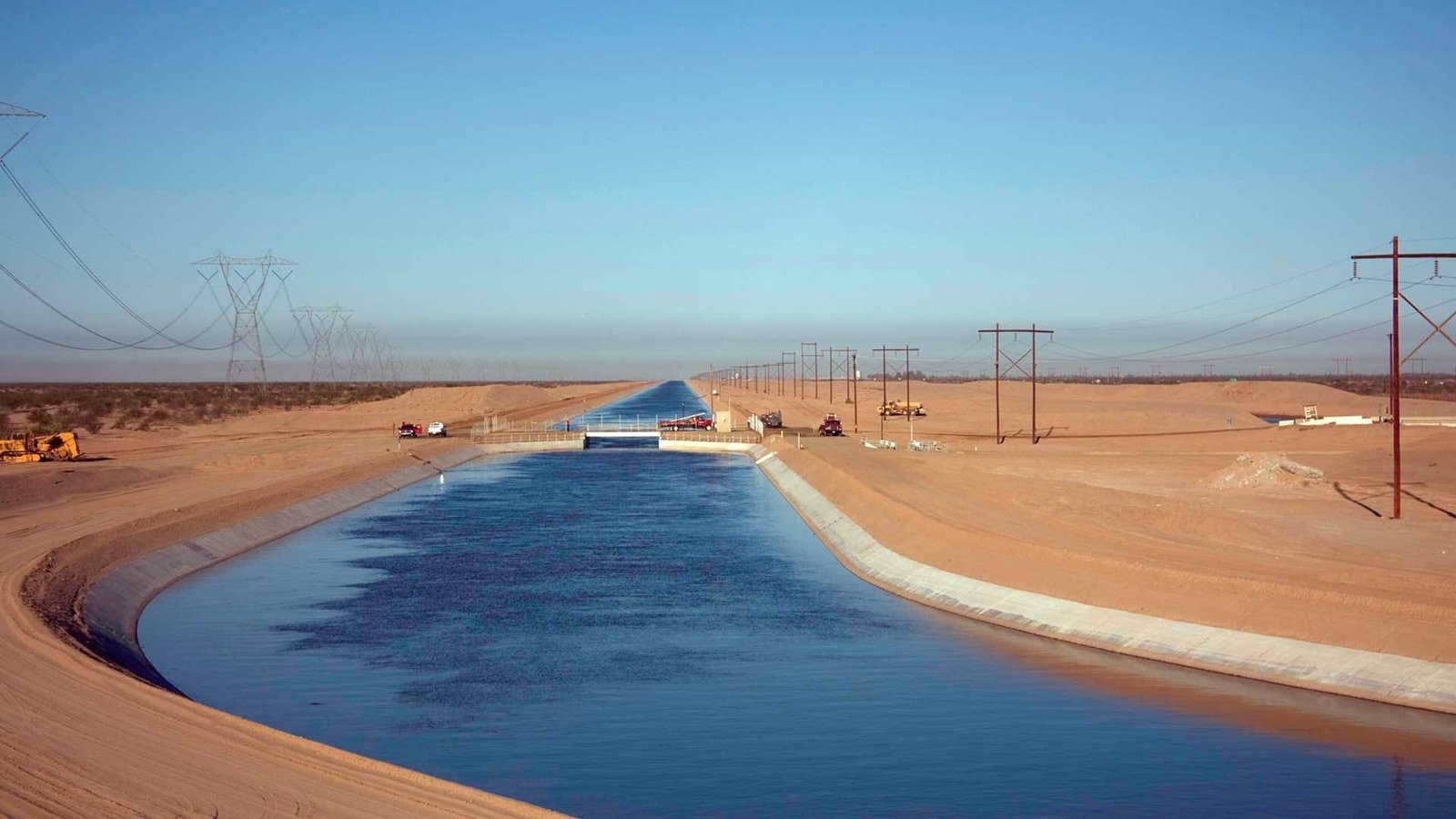
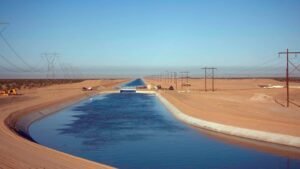
As part of its System Conservation Program, IID’s Water Department continues evaluating the feasibility of constructing up to nine seepage recovery wells adjacent to an unlined section of the All-American Canal. The proposed wells would capture near-surface seepage water at depths ranging from zero to 180 feet, with the goal of increasing local water supplies for agricultural, industrial, and domestic use throughout Imperial Valley.
According to IID staff, the project could recover an estimated net yield of approximately 22,000 acre-feet of conserved water annually, providing an additional long-term water resource as regional demand continues to grow.
The proposed well field would be located within an approximately 1,900-acre wetland vegetation area, making environmental review a significant component of the project. District officials said potential impacts to sensitive wetland habitat remain under evaluation.
Because the project is located on land managed by the U.S. Bureau of Reclamation, it must undergo review under both the National Environmental Policy Act (NEPA) and the California Environmental Quality Act (CEQA). The Bureau of Reclamation will serve as the lead agency for the federal environmental review, while IID will oversee compliance with CEQA. Environmental Assessment and CEQA documents will be prepared once technical studies and environmental analyses are completed.
District staff reported that seepage modeling and verification efforts are approximately 90 percent complete. Preliminary findings indicate that one potential scenario could affect as many as 900 acres of wetlands, although additional analysis is needed before any final conclusions are reached.
To further refine the environmental assessment, IID estimates an additional $39,000 will be needed to model a best-case scenario that would better define the range of potential impacts on wetland vegetation and associated habitat. Officials said the information would support more informed decision-making before proceeding with a comprehensive hydrological assessment.
That next phase is expected to require supplemental fieldwork, well testing, and groundwater monitoring at an estimated cost exceeding $300,000. The results would help quantify environmental impacts and determine any mitigation measures required before the project advances.
Board Adopts Legislative Positions
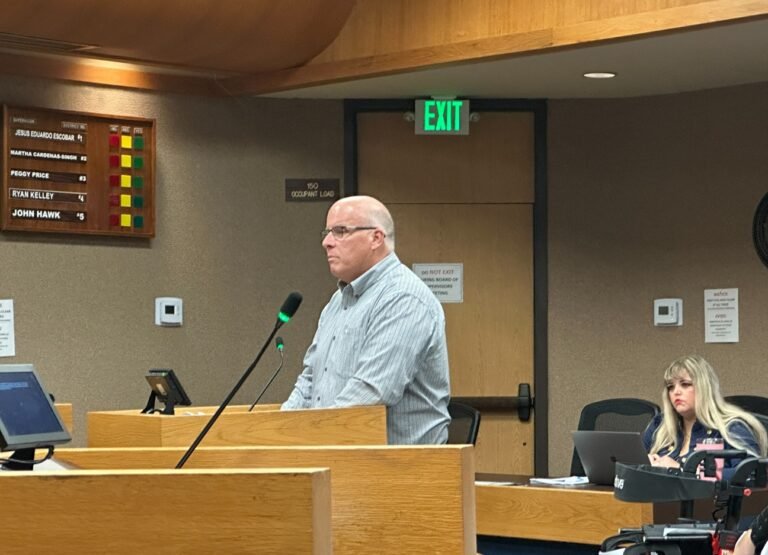
In a separate action, the Board adopted formal positions on several state and federal bills consistent with its 2021–22 legislative priorities.
Among the measures considered was Assembly Bill 377, authored by Assemblymember Robert Rivas, which would require California’s surface waters to become fishable, swimmable, and drinkable by Jan. 1, 2050. The legislation would prohibit regulators from authorizing certain discharges that contribute to violations of water quality standards while establishing new enforcement provisions and penalties. IID voted to oppose the measure.
The Board also voted to support Assembly Bill 1397, introduced by Assemblymember Eduardo Garcia. Known as the Lithium Economy Act, the proposal would strengthen California’s domestic lithium supply chain by requiring state contractors purchasing electric vehicles to disclose the source of lithium used in vehicle batteries. Beginning in 2035, at least 35 percent of the lithium used in batteries purchased through state contracts would be required to originate from California.
Directors additionally expressed support for H.R. 491, introduced by U.S. Representatives Juan Vargas and Raul Ruiz, which would establish a federal restoration program for the New River. The legislation would direct the U.S. Environmental Protection Agency to coordinate funding and restoration efforts aimed at improving water quality and environmental conditions along the river.
The actions reflect IID’s continued focus on securing long-term water reliability for Imperial Valley while participating in state and federal policy discussions affecting the region’s water resources, environmental stewardship, and economic development.