


Strong El Niño Could Bring Wetter Winter and Coastal Flooding to California
Share your love
 -Editorial
Climate scientist Daniel Swain said a strengthening El Niño could bring significant changes to weather patterns in California and other parts of the United States, with the potential for increased extreme heat, rainfall, drought and coastal flooding in the months ahead.
Swain discussed the developing El Niño during an American Community Media briefing. He specializes in extreme weather and climate events and is affiliated with the University of California Agriculture and Natural Resources, the California Institute for Water Resources and the National Center for Atmospheric Research. He also writes the Weather West blog and hosts weekly public office hours on YouTube.
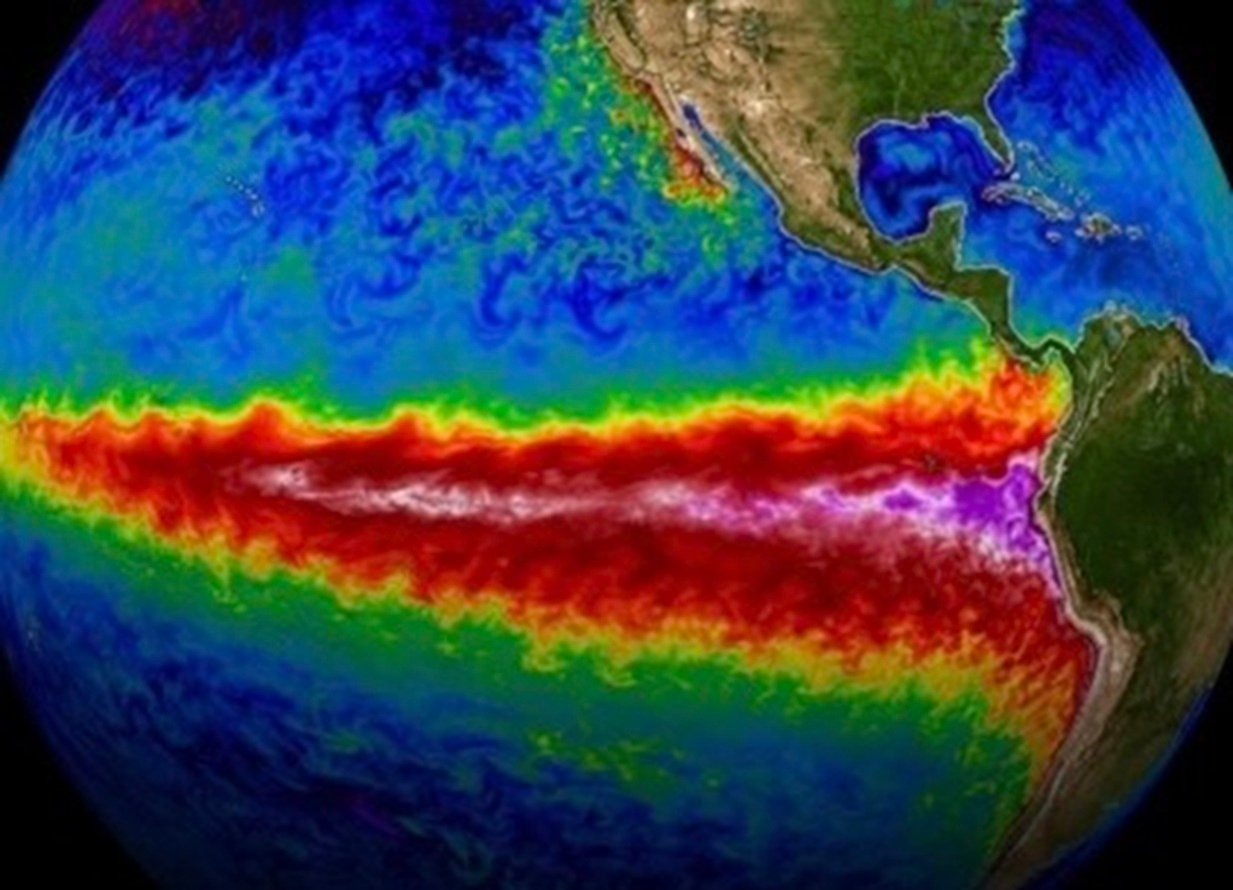
“El Niño is a natural ocean and climate process,” Swain said, describing it as a temporary warming of the eastern tropical Pacific Ocean.
The warming develops as normally cool waters near Peru, Ecuador and the Galápagos Islands become warmer because of changes in ocean circulation and winds. Warm water from the western Pacific also shifts eastward, altering atmospheric conditions around the world.
Swain said current ocean temperatures in the key eastern tropical Pacific region are already at or above historical records for this time of year. Forecast models indicate the event could strengthen substantially during the coming months.
“This year’s temperatures in this critical El Niño region … are now officially exceeding any that we’ve ever seen historically for this region at this time of year,” Swain said.
Forecasts presented by Swain show the event potentially exceeding the previous record for El Niño strength. He said the peak is expected between October and December, most likely around November, although the effects of El Niño outside the tropics generally lag behind its peak intensity.
Swain said the combination of a strong El Niño and ongoing human-caused global warming could contribute to unusually high global temperatures over the next six to 12 months. He also said the interaction could increase the potential for extreme precipitation, drought and wildfire conditions in different parts of the world. For California, Swain identified several potential effects.
Ocean temperatures along the California coast, particularly in Central and Southern California, are already warmer than average. He said the warmer water has contributed to changes in marine ecosystems, including the appearance of subtropical species farther north than usual.
Warmer coastal waters also can increase humidity during late-summer and early-fall heat waves, potentially making it more difficult for people to cool themselves through sweating, Swain said.
Another concern is temporary sea-level rise along the California coast. Swain said the effect could become more pronounced in November and December, when it could coincide with winter storms, large waves and high astronomical tides commonly known as king tides.
Those factors could combine with long-term sea-level rise associated with climate change, increasing the risk of coastal flooding in low-lying areas, including locations connected to bays, estuaries and tidal waterways.
Swain said areas around San Francisco Bay, Monterey Bay and the Sacramento-San Joaquin Delta could face elevated risks. Communities farther inland that remain connected to tidal waterways also could be affected.
Coastal erosion is another potential concern. Swain said large waves and elevated water levels could affect beaches, parks, parking areas, piers, jetties and coastal bluffs. He cited portions of the Pacific Coast Highway and coastal rail infrastructure in Southern California as examples of areas vulnerable to erosion.
Swain also expects California to have a wetter-than-average winter, particularly in Southern and Central California, although he cautioned that El Niño does not guarantee a wet winter.
“El Niño doesn’t guarantee a wet winter in California,” Swain said. However, he added that the unusually strong nature of this year’s event could increase the amount of precipitation California receives and raise the risk of inland flooding.
The potential effects will vary by location and timing, Swain said. While El Niño is expected to weaken after its winter peak, its broader impacts could continue into early spring.
Swain said the coming months will be important for monitoring the event as updated observations and forecast models provide a clearer picture of its strength and potential effects.