


Newsom Responds to Supreme Court Ruling on Trump Election Order
Share your love
-Editorial
California Gov. Gavin Newsom criticized a U.S. Supreme Court decision allowing the Trump administration to temporarily proceed with parts of an executive order concerning federal election administration while legal challenges continue.
The Supreme Court, in a per curiam decision issued Aug. 24, stayed a lower-court injunction that had blocked the federal government from implementing portions of President Donald Trump’s March executive order in the states that challenged it. The court said the states had not established sufficient standing to challenge the order at this stage and concluded that the federal government was likely to suffer irreparable harm if the injunction remained in place during the appeals process.
The court emphasized that its ruling did not determine whether any future federal action taken to implement the executive order would be lawful.
“The Court’s disposition of this application does not mean that any measure taken by the Government to implement the Order will necessarily be lawful,” the majority said.
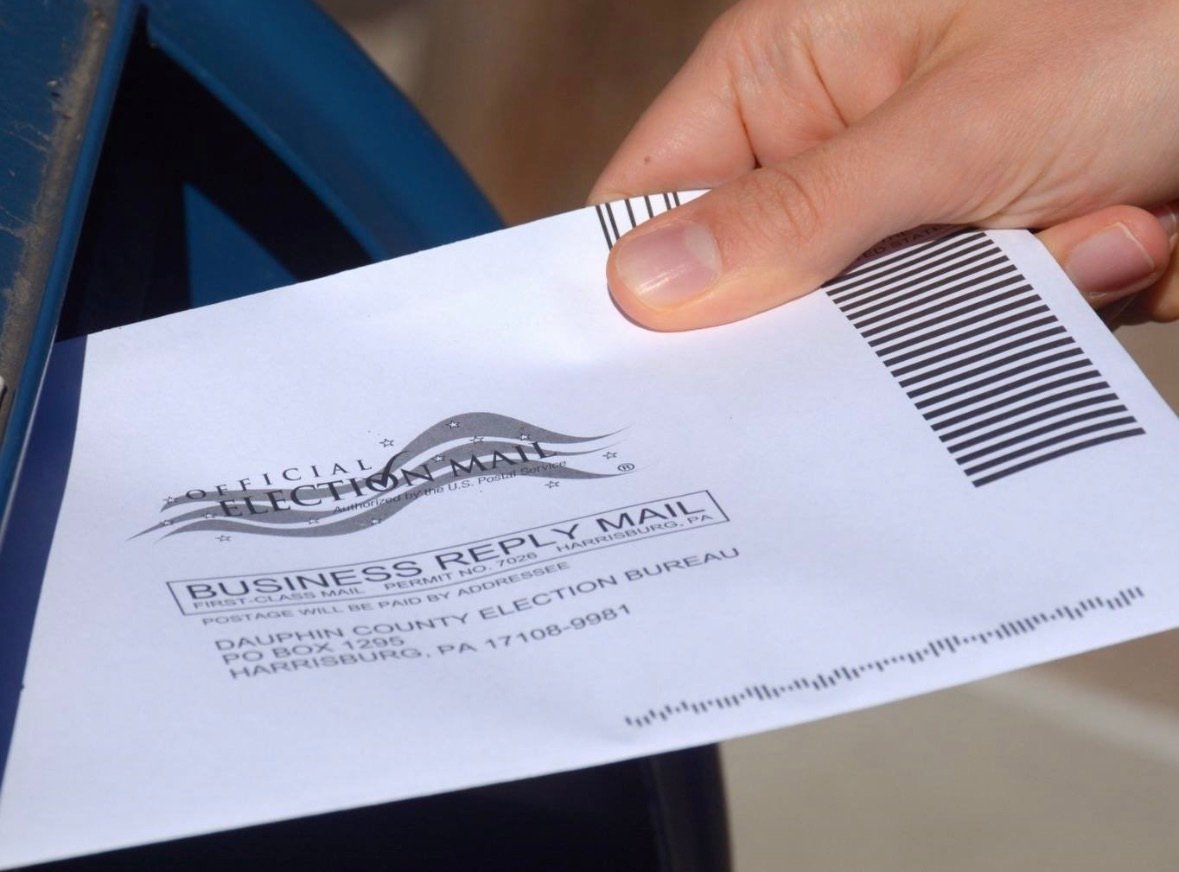
The executive order directs the Department of Homeland Security to develop state citizenship lists, instructs the attorney general to prioritize certain federal election-related prosecutions, and directs the U.S. Postal Service to begin rulemaking concerning mail-in and absentee ballots.
Newsom said California would continue challenging the administration’s actions.
“The Supreme Court just let the Trump administration move ahead (for now) with its plan to disenfranchise voters across the country,” Newsom said in a statement. “California will be suing AGAIN to block these Orwellian rules from being implemented.”
Two justices, Sonia Sotomayor and Ketanji Brown Jackson, dissented from the court’s decision. Sotomayor argued that the states had presented sufficiently concrete and imminent injuries to bring their challenge, while Jackson said the ruling could create uncertainty for election officials preparing for the November midterm elections.
The Supreme Court’s decision came as legislation backed by Newsom and California lawmakers to strengthen protections for election administration moves through the state Legislature.
The proposals are part of what the administration calls an “Election Protection” legislative package. Among them is AB 282, by Assemblymember Gail Pellerin, D-Santa Cruz, which would establish two new felonies related to the seizure of ballots, election records or certified voting technology before election results are certified. The measure would also impose penalties on officials who direct individuals under their supervision to carry out such actions.
SB 259, by Sen. Aisha Wahab, D-Hayward, would create a felony punishable by up to four years in prison for an individual in a position of authority who directs someone under their supervision to interfere with the delivery of a vote-by-mail ballot to a voter or its return to a local election official. The bill would also establish a misdemeanor for interfering with the delivery of a vote-by-mail ballot to a voter.
The Newsom administration said the proposals are intended to strengthen California’s legal protections for ballots and election administration in response to recent actions and threats involving election systems.
The governor and Legislature also included additional funding for election administration in the state’s final budget.
The allocations include $29 million for additional staffing, technology and equipment to help counties increase capacity and speed up ballot counting; $5 million for county-level voter outreach and education; $5 million for statewide voter outreach through the California Secretary of State’s Office; and $750,000 for statewide efforts addressing election-related misinformation and disinformation and preparing for potential federal interference.
The administration said the measures build on more than 30 election-related bills Newsom has signed during his time as governor.
The Supreme Court case will continue in the federal courts. The stay issued Monday remains in effect while the government’s appeal proceeds in the U.S. Court of Appeals for the First Circuit and, if applicable, while the Supreme Court considers a petition for further review.
The ruling does not establish new federal requirements for voters themselves. Any final federal rules or actions resulting from the executive order remain subject to further legal challenges and review.