


California Budget Adds $2.4 Billion for Special Education Funding
Share your love
 -Editorial
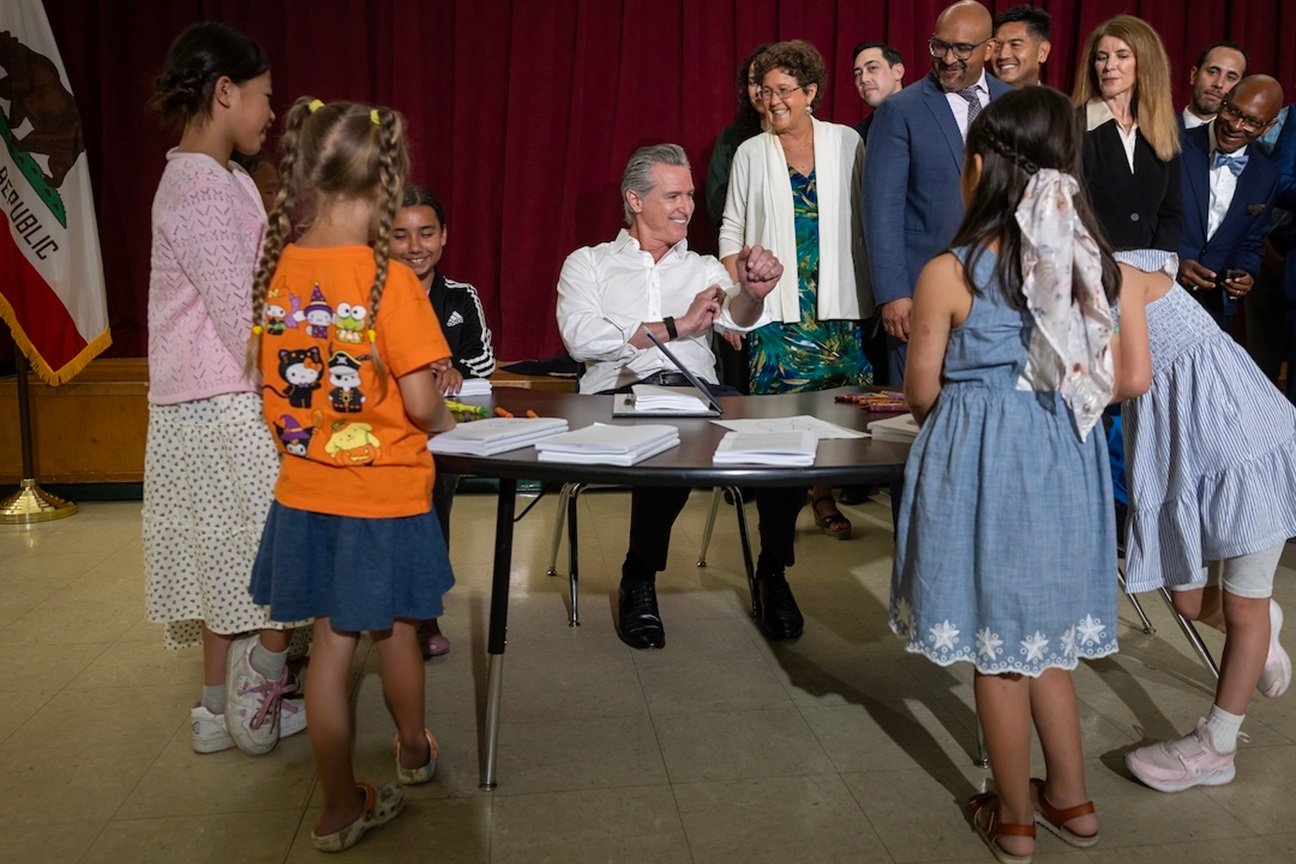
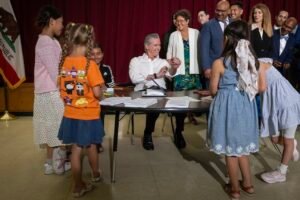
Gov. Gavin Newsom has signed Assembly Bill 126, the education trailer bill accompanying California’s 2026 state budget, providing an additional $2.4 billion for special education and increasing overall state support for students with disabilities.
According to the governor’s office, the funding represents a 43% increase over the 2025 Budget Act for special education and is intended to establish a uniform statewide funding rate for all local educational agencies. The measure raises the per-student special education funding rate to $1,340.
The legislation is part of the state’s broader education budget, which includes $151.4 billion in total TK-12 funding for the 2026 fiscal year. State officials said the budget continues investments in transitional kindergarten, literacy programs, universal school meals and expanded before- and after-school programs.
The budget also includes $80 million in ongoing funding for the special education extraordinary cost pool and the low-incidence disabilities add-on, which help reimburse local agencies for students requiring high-cost or specialized services.
In addition, lawmakers approved a one-time $30 million increase for the Supporting Inclusive Practices Project, which provides training and resources to help schools expand inclusive educational opportunities for students with disabilities; a one-time $25 million increase for the Inclusive College Technical Assistance Center to support partnerships between school districts and colleges that expand postsecondary opportunities for students with intellectual and developmental disabilities; and a one-time $10 million investment to develop resources and provide technical assistance for implementing alternative pathways to a high school diploma for students with disabilities.
Assemblymember David Alvarez, D-Chula Vista, chair of the Assembly education finance subcommittee, said the funding will support additional reading specialists, behavioral health aides and one-on-one assistance for students receiving special education services.
Sen. Sasha Renee Perez, D-Pasadena, chair of the Senate Education Committee, described the funding as the largest state investment in special education to date and said it will expand support services for students with disabilities.
Linda Darling-Hammond, president of the California State Board of Education, said the budget maintains funding for core TK-12 programs while continuing long-term investments in public education despite revenue constraints and uncertainty surrounding federal education funding.
California has expanded transitional kindergarten to provide universal access beginning at age 4, increased access to before- and after-school and summer learning programs, implemented literacy initiatives in high-need schools, and continues to provide free breakfast and lunch to all public school students.
The budget also includes $1 billion in ongoing funding for the state’s Community Schools Initiative, which officials said will support existing community schools and expand the model to approximately 3,700 additional campuses serving large numbers of low-income students, English learners and foster youth.
According to the state, recent statewide assessment results showed improvement across tested subjects and grade levels as California students continue to recover academically from the COVID-19 pandemic.