


Badiola Montaño Named ASETUR Northern Vice President
Share your love
 -Editorial
Baja California Tourism Secretary Miguel Ángel Badiola Montaño has assumed the vice presidency for Mexico’s northern region within the National Association of State Tourism Secretaries (ASETUR), a leadership post aimed at strengthening coordination among northern states on tourism policy, promotion, and development strategies.
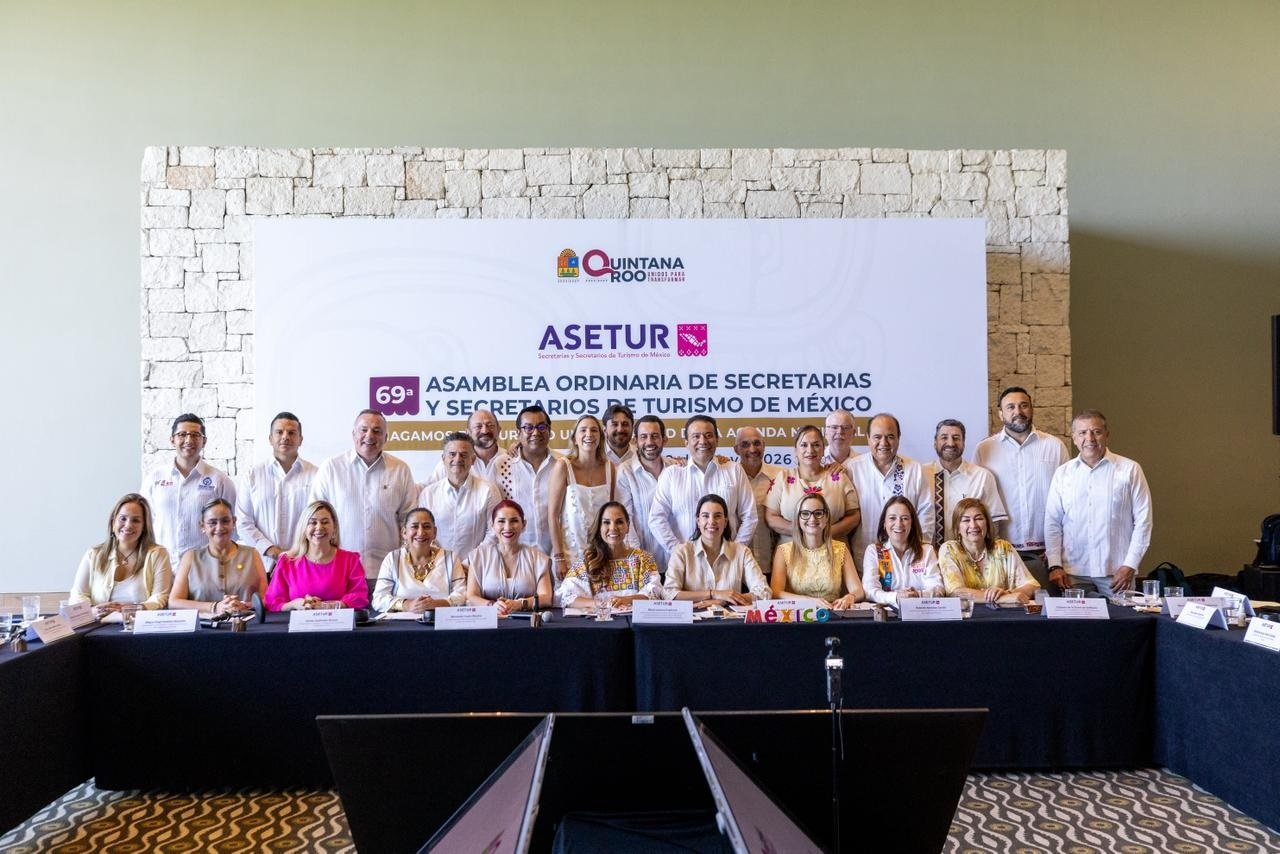
The appointment took place during the 69th ASETUR Assembly held in Quintana Roo, where tourism officials from all 32 Mexican states gathered alongside federal and state authorities to review national tourism priorities and establish the organization’s leadership structure for the 2026–2027 term.
The assembly was presided over by Mexico’s federal Tourism Secretary Josefina Rodríguez Zamora, with hosting duties led by Quintana Roo Governor Mara Lezama Espinosa. The event brought together state-level tourism leaders, who emphasized the need for coordinated planning between federal and state governments and closer collaboration with private sector stakeholders.
The new executive committee of ASETUR will be led by Michoacán Tourism Secretary Roberto Monroy García, who will oversee the organization’s national agenda during the upcoming term. The leadership changes are intended to maintain continuity in efforts to position tourism as a key economic and cultural sector in Mexico.
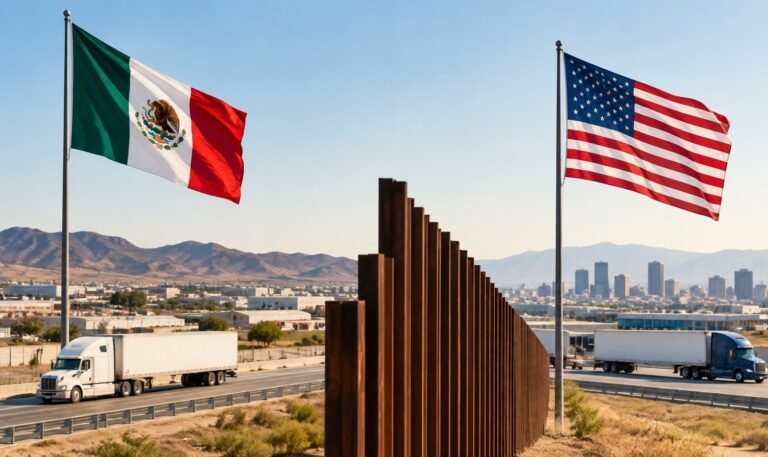
Badiola Montaño’s appointment places Baja California in a regional leadership role focused on the northern corridor, an area that includes several border states with strong cross-border tourism dynamics, international travel flows, and shared economic ties with the United States. In his remarks following the appointment, he said the role represents an opportunity to build more coordinated strategies among northern states, particularly in areas such as marketing, infrastructure development, and tourism competitiveness.
He described tourism as more than an economic activity, characterizing it as a broader platform for cultural promotion and regional identity. According to his statements, strengthening collaboration among states in the northern region could help create more consistent messaging and more effective promotion of destinations that share geographic and economic characteristics.
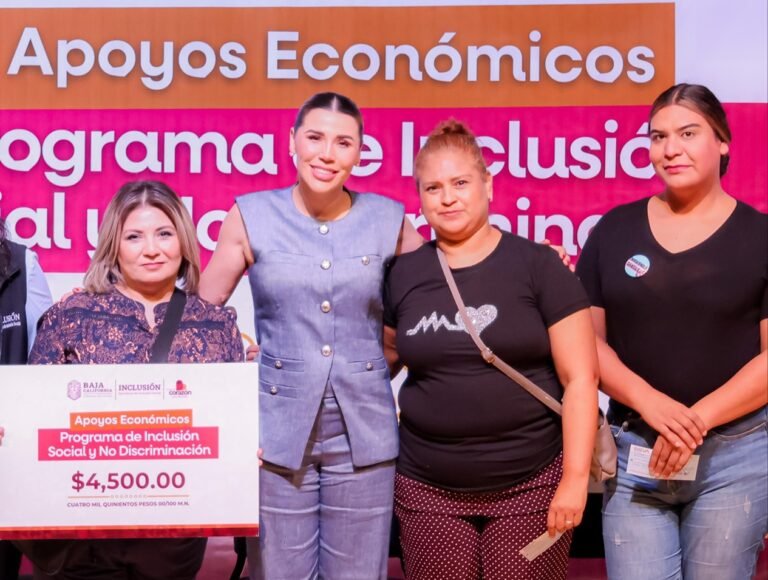
The appointment also reflects the tourism strategy being advanced in Baja California under Governor Marina del Pilar Ávila Olmeda, who has emphasized tourism development as part of the state’s broader economic agenda. State officials have focused on increasing investment in tourism infrastructure, expanding promotional efforts in domestic and international markets, and improving the competitiveness of key destinations across the region.
ASETUR officials said the vice presidency structure is designed to improve coordination among Mexico’s geographic regions, allowing states to develop joint initiatives tailored to their specific tourism markets. In the case of the northern region, priorities are expected to include cross-border tourism, business travel, medical tourism, and cultural and culinary promotion, all of which play a significant role in the region’s visitor economy.
During the assembly, representatives from across the country reiterated commitments to maintain tourism as a national priority. Discussions emphasized the importance of aligning state-level initiatives with federal tourism policy and ensuring consistent collaboration with industry stakeholders, including airlines, hotel operators, and tour providers.
The federal Tourism Secretariat highlighted the importance of strengthening Mexico’s position as an international destination through coordinated branding, improved infrastructure, and expanded regional cooperation. Officials also pointed to the need for sustainable tourism development practices that balance economic growth with environmental protection and community participation.
ASETUR, formally known as the Union of State Tourism Secretaries of Mexico, serves as a national coordination body that brings together tourism authorities from all 32 states. Its mandate includes facilitating policy alignment between state and federal governments, promoting shared tourism strategies, and encouraging the exchange of best practices across regions.
The organization also plays a role in developing joint promotional campaigns and supporting initiatives aimed at increasing Mexico’s competitiveness in global tourism markets. Through regional vice presidencies such as the one now held by Badiola Montaño for the northern zone, ASETUR seeks to strengthen localized strategies while maintaining a unified national tourism agenda.
The 69th assembly concluded with renewed commitments to intergovernmental cooperation, with an emphasis on continuity, regional coordination, and long-term planning for Mexico’s tourism sector.