


UN Officials Acknowledge Mexico’s Efforts to Strengthen Laws Against Femicide
Share your love
-Editorial
United Nations officials acknowledged Mexico’s efforts to strengthen its legal framework against femicide during an Oct. 9 discussion on the advancement of women at the 81st session of the U.N. General Assembly.
The discussion took place before the General Assembly’s Third Committee, which addresses social, humanitarian and human rights issues, including gender equality and the protection of women and girls.
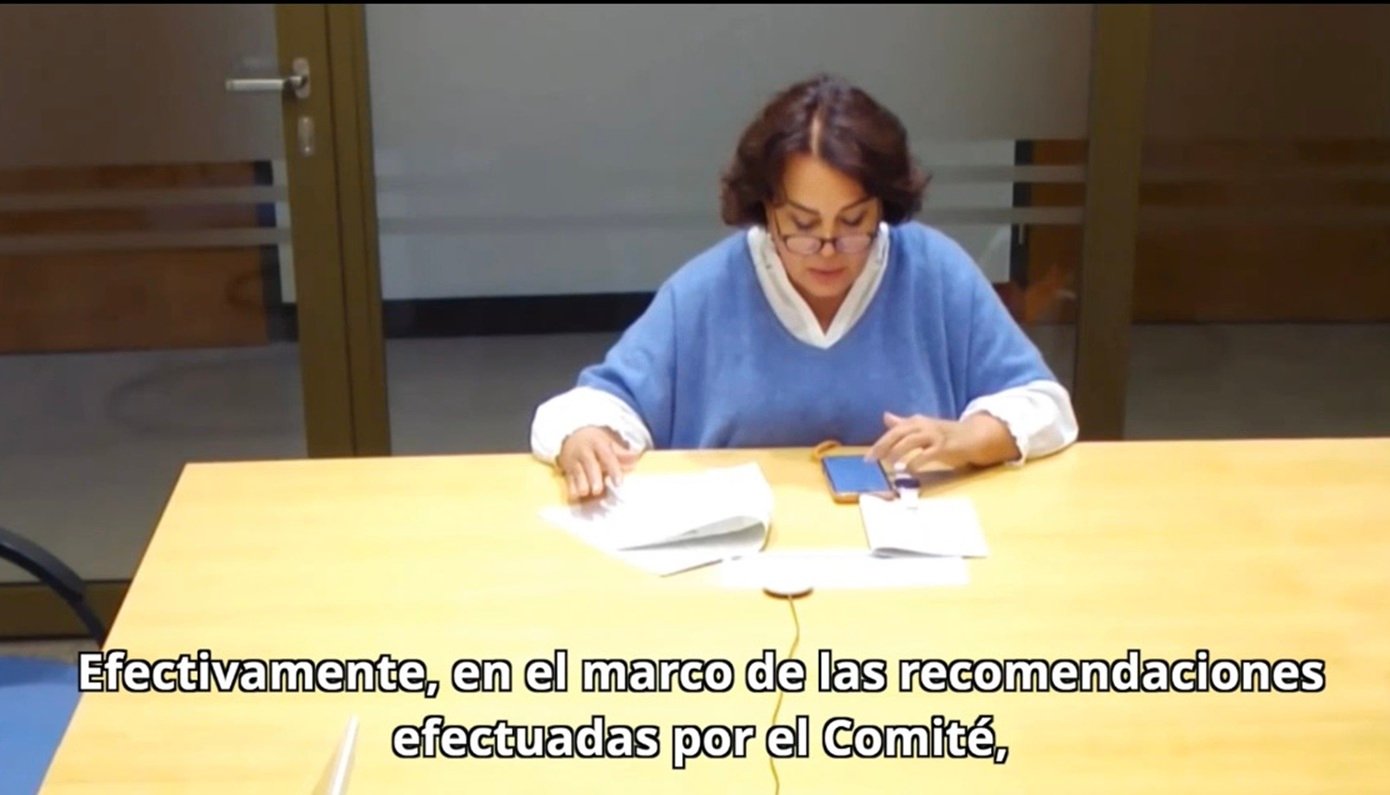
Nahla Haidar, chair of the U.N. Committee on the Elimination of Discrimination against Women (CEDAW), recognized Mexico’s efforts to establish a legal framework addressing femicide, particularly its incorporation of a gender-based perspective into the legal definition of the crime.
Femicide refers to the killing of women or girls because of their gender. Mexico has established specific legal provisions addressing the crime, although implementation and enforcement remain important considerations in evaluating the effectiveness of such measures.
During the meeting, Claudia Flores, chair of the U.N. Working Group on Discrimination Against Women and Girls, emphasized the importance of developing policies that recognize the diverse circumstances and experiences of women and girls.
Flores highlighted the need for governments to incorporate intersectional and intercultural approaches when designing measures to address discrimination and gender-based violence.
Such approaches consider how factors including ethnicity, socioeconomic conditions, cultural background and other characteristics can affect women’s experiences of discrimination and access to legal protections.
Mexico’s Permanent Mission to the United Nations reiterated that preventing, investigating, prosecuting and eliminating femicide remains a priority for the Mexican government.
According to the mission, Mexico is advancing legislation intended to establish a general law governing the prevention, investigation and prosecution of femicide.
The proposed legislation incorporates recommendations issued by the CEDAW Committee and seeks to strengthen legal protections for women, adolescents and girls through an intersectional and intercultural approach.
Mexican officials said the initiative is intended to improve the country’s institutional response to gender-based killings and establish a more comprehensive legal framework for addressing the crime.
The proposal remains under legislative consideration and has not yet been enacted into law, according to the information presented during the discussion.
The Mexican government also emphasized that the proposed legislation follows recommendations made by the CEDAW Committee, which monitors countries’ compliance with international obligations under the Convention on the Elimination of All Forms of Discrimination against Women.
The convention establishes international standards aimed at eliminating discrimination against women and promoting equal rights in political, economic, social and cultural life.
Separately, Paulina Kubiak, a human rights spokesperson for the U.N. Department of Global Communications, clarified the independent status of U.N. special rapporteurs.
Kubiak explained that Reem Alsalem, the U.N. special rapporteur on violence against women and girls, its causes and consequences, serves in an independent and unpaid capacity, as do other special rapporteurs appointed under the U.N. human rights system.
She noted that statements made by special rapporteurs represent their assessments as independent experts and do not necessarily reflect the official positions of the United Nations.