


U.S. Unveils $943 Million Embassy in Mexico City, Marking Major Expansion of Diplomatic Presence
Share your love
 -Editorial
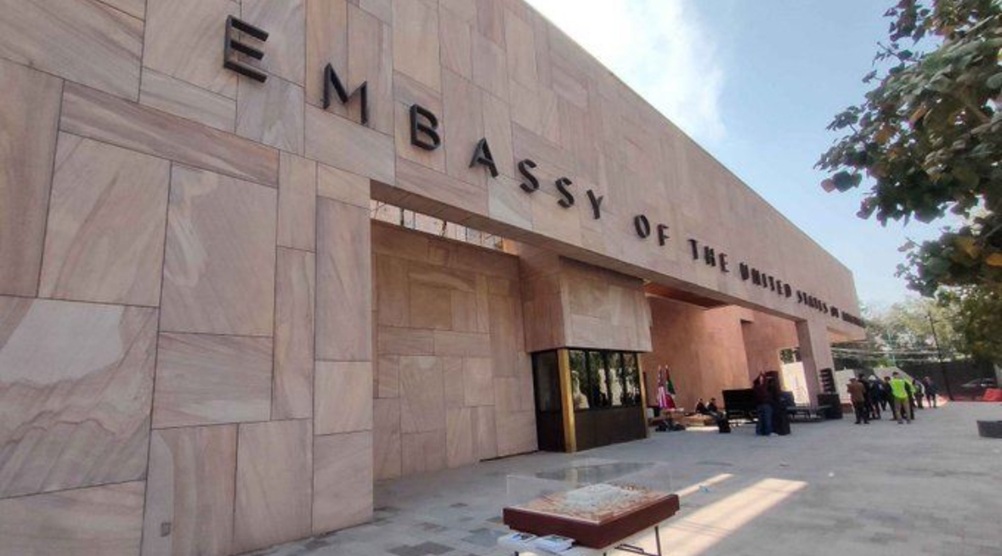
The United States has opened its new embassy compound in the Polanco district, marking one of the largest U.S. diplomatic construction projects in the world and a significant expansion of the country’s diplomatic footprint in Mexico. Consular services resumed at the new facility on Nov. 24, with emergency assistance and emergency passport services continuing to be available at U.S. consulates throughout Mexico during the transition. Visitors will access the new consular section through the north entrance at the corner of Calzada Legaria and Avenida Casa de la Moneda.
Designed by Tod Williams Billie Tsien Architects in partnership with Davis Brody Bond Architects and built by Caddell Construction, the project is located on an 8.5-acre brownfield site formerly occupied by a Colgate-Palmolive factory. The $943 million initiative includes an estimated $310 million in local economic investment. U.S. officials said the project reflects the importance of Mexico City as the political and economic center of the country and a key hub for diplomatic engagement between the two nations.
The new facility consolidates more than 530,000 square feet of office and public space, bringing together over 1,400 employees who were previously scattered across multiple locations in Mexico City. The compound is designed to streamline operations and improve security, with separate entrances for different types of visitors, including a dedicated entry for the high volume of consular applicants and another for the Benjamin Franklin Center, the embassy’s public programming venue.
The seven-story structure, including two levels below ground, was built to accommodate the embassy’s current and future needs. During construction, approximately 2,500 workers from the United States, Mexico, and third countries contributed to the project. U.S. officials said the new embassy is intended to serve as a secure, modern, and efficient facility that strengthens the United States’ long-term diplomatic presence in Mexico.
Sustainability and resilience were central to the project’s design. The compound includes systems for capturing and storing rainwater, reducing dependence on Mexico City’s strained freshwater supply. It also connects to the city’s reclaimed water network to support non-potable uses such as cooling, irrigation, and sanitation. Underground storage tanks provide year-round reliability, while the site’s landscaping features drought-tolerant, low-maintenance plants. Solar panels are expected to generate more than 10 percent of the compound’s energy needs.
The building was engineered to reduce long-term security and maintenance costs and to improve its resilience to natural hazards. Embassy officials said these features will help ensure continuity of operations in a city noted for its seismic activity and infrastructure challenges.
The compound also highlights American cultural engagement through a permanent art collection curated by the Office of Art in Embassies. The collection features works in painting, photography, ceramics, textiles, and sculpture. The Foundation for Art and Preservation in Embassies contributed several pieces, including Roy Lichtenstein’s Greene Street Mural, underscoring the long-standing collaboration between U.S. diplomacy and the arts.
U.S. officials said the new embassy represents a major step in modernizing Mission Mexico’s infrastructure and reflects the United States’ commitment to maintaining strong diplomatic, cultural, and economic ties with Mexico. Consular operations will fully transition to the new site beginning next week, concluding a multiyear relocation project intended to enhance service to both U.S. citizens and Mexican visitors.