
U.S. Measles Surge Raises Concerns as Adult Cases Increase Nationwide
Share your love
 -Editorial
The United States is experiencing a significant resurgence of measles in 2026, raising concerns about declining vaccination rates, increasing infections among adults, and the possibility of losing its measles elimination status for the first time in more than two decades.
Public health experts discussed the outbreak during a news briefing organized by American Community Media in partnership with the Measles Collaborative. The discussion focused on vaccination gaps, complications among adults, risks facing immigrant communities, and efforts to improve immunization coverage.
According to Centers for Disease Control and Prevention figures presented during the briefing, 5,412 measles cases have been reported nationwide this year, including 1,487 in Pennsylvania. Cases have occurred in 45 states, with approximately 41% involving adults ages 20 and older.
Patsy Stinchfield, a pediatric nurse practitioner and executive director of the Measles Collaborative, identified Pennsylvania, South Carolina, Utah, Wisconsin and Minnesota among states experiencing significant outbreaks.
Wisconsin reported 466 cases this year, compared with 36 in 2025, including 188 infections during the two weeks preceding the briefing.
Stinchfield attributed the resurgence largely to declining vaccination coverage, emphasizing that immunization rates of at least 95% are needed to prevent sustained transmission.
“We’ve got to be at, whether it’s your state, your county, your school, your family, everyone 95% vaccinated or greater, or measles has a chance to get in there and cause infection,” Stinchfield said.
She also warned that official figures may underestimate infections because some individuals do not seek medical attention or undergo testing. Estimates suggest actual infections could be four to 10 times higher than reported totals.
The increase comes as the Pan American Health Organization reviews whether the United States should retain its measles elimination designation, achieved in 2000.
Elimination means a country has experienced no continuous domestic transmission for at least 12 months. Imported infections can still occur without affecting the designation if outbreaks are contained.
Stinchfield said the organization is examining epidemiological and genetic evidence to determine whether transmission has continued uninterrupted.
Losing the designation would not result in automatic financial or legal penalties but would represent a setback for a major public health achievement. Brazil lost its elimination status in 2019 before regaining it in 2024.
Dr. Andi Shane, chief of the pediatric infectious disease division at Emory University School of Medicine, said measles is commonly associated with childhood illness but can cause serious complications in adults.
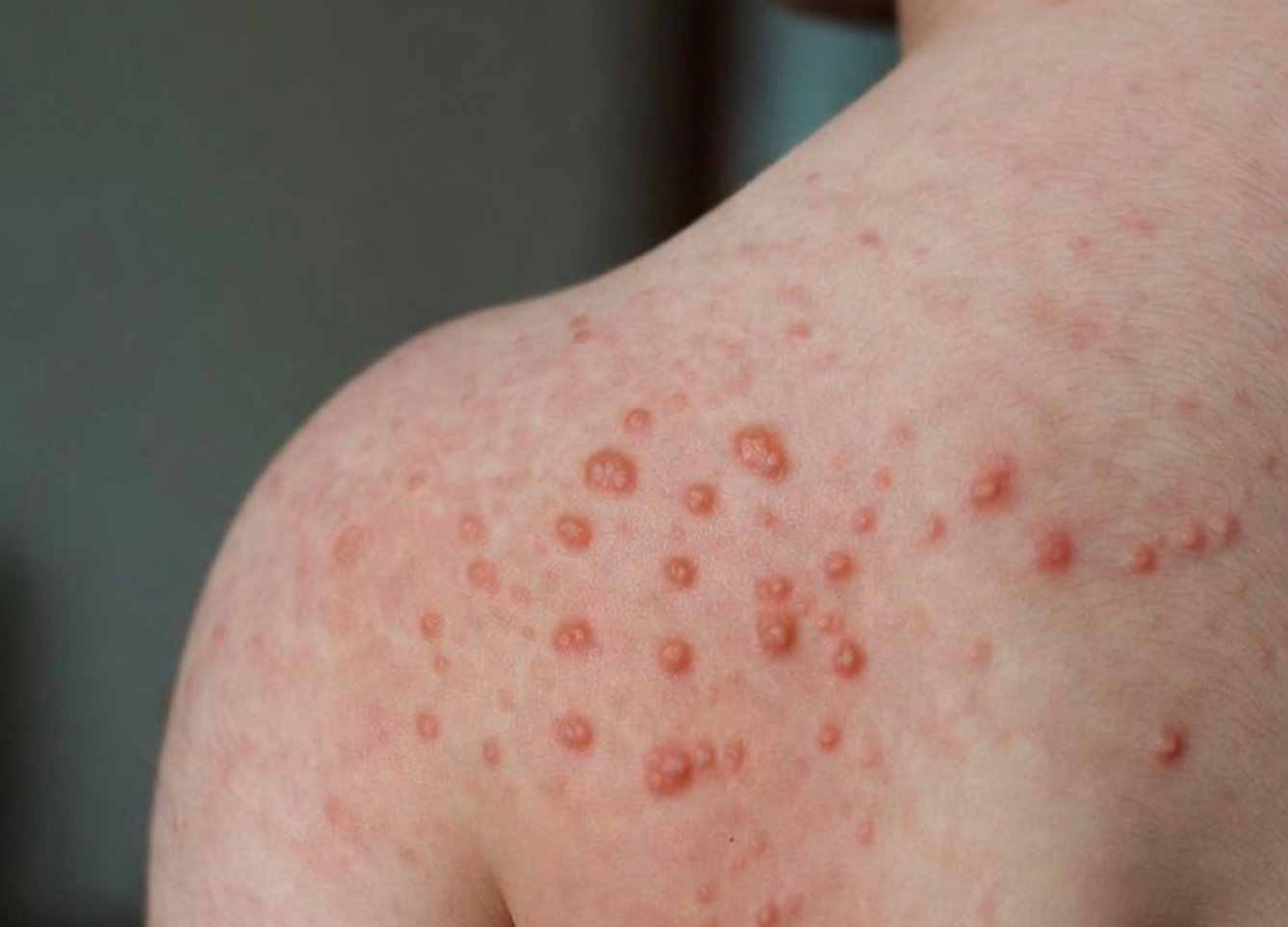
Symptoms include fever, coughing, a runny nose, red eyes, and a rash that typically begins on the face before spreading downward.
While children and adults experience similar symptoms, adults face greater risks of pneumonia, hepatitis, and hospitalization. Individuals with underlying medical conditions, including diabetes and respiratory illnesses, may experience additional complications.
Pregnant women also face potential risks affecting both maternal health and pregnancy outcomes.
Shane explained that measles spreads through airborne particles released when infected individuals breathe, speak, cough, or sing. Approximately nine out of 10 susceptible people exposed to the virus can become infected.
She also warned that measles can weaken immune defenses, leaving individuals more vulnerable to other infections after recovery.
“I think there’s a sort of feeling sometimes that measles is just a common cold and it’s really not. It’s a very, very serious infection,” Shane said.
Health experts also discussed challenges facing older immigrants who may have incomplete vaccination records or come from countries where immunization programs were introduced later.
Shane said differences in international vaccination schedules, language barriers, financial limitations, and difficulties navigating the health care system can complicate access to preventive services.
Some adults may also have received an older, inactivated measles vaccine used in the United States between 1963 and 1967 that did not provide adequate protection.
Dr. Margot Savoy, chief medical officer of the American Academy of Family Physicians, said adults born in 1957 or later without acceptable evidence of immunity should generally receive at least one dose of the measles, mumps and rubella vaccine, known as MMR.
Health care workers, international travelers, college students and certain other higher-risk groups may require two doses.
Savoy said one dose provides approximately 93% protection against measles, increasing to 97% with two doses. Protection is generally long-lasting, and routine boosters are unnecessary for most fully vaccinated adults.
She also emphasized that extensive research has found no causal relationship between the MMR vaccine and autism.
Although the vaccine is generally safe, it is not recommended during pregnancy or for people with certain severe immune deficiencies or serious allergies to vaccine components.
Adults uncertain about their vaccination histories can consult health care providers or review available immunization records. Blood tests can establish immunity, although routine testing is generally unnecessary when vaccination is indicated.
For uninsured individuals, Savoy recommended contacting pharmacies, community clinics, or local public health departments about low-cost or free vaccination services.
Munira Maalimisaq, a family nurse practitioner and founder of Inspire Change Clinic in Minneapolis, discussed declining vaccination rates among Somali American children and the importance of culturally responsive health education.
Maalimisaq shared her family’s experience of losing her younger sister, Zakiya, to a suspected measles infection in Somalia before immigrating to the United States.
Her sister was approximately 7 years old when she died, and vaccination services were limited in their community.
“I cannot change what happened to my sister, but what I can change is what happens to other families,” Maalimisaq said.
According to figures she presented, MMR vaccination coverage among Somali American children around age 2 in Minnesota declined from approximately 92% in 2006 to 24% today.
She said Minnesota has experienced five measles outbreaks since 2011, with response costs totaling approximately $7.7 million.
Maalimisaq attributed vaccination challenges to misinformation, limited health care access, and declining trust in medical institutions.
In 2023, she established the Motherhood Circle, a community program providing parents with opportunities to discuss vaccinations and other health concerns without judgment.
The initiative has reached more than 3,000 community members.
Among 75 participating mothers in 2025, the proportion reporting that their children had received MMR vaccinations increased from 12% at the beginning of the program to 89% by December, according to Maalimisaq.
“Information alone does not build the trust that relationships do,” she said.
Maalimisaq emphasized that improving vaccination coverage requires affordable services, culturally appropriate education, and sustained relationships between health care providers and families.
She also cautioned against blaming immigrant communities for outbreaks, explaining that vaccination concerns and barriers to care affect diverse populations.