


International Tourism at the 2026 World Cup: Does Economic Development Really Reach Everyone?
Share your love
 -Editorial
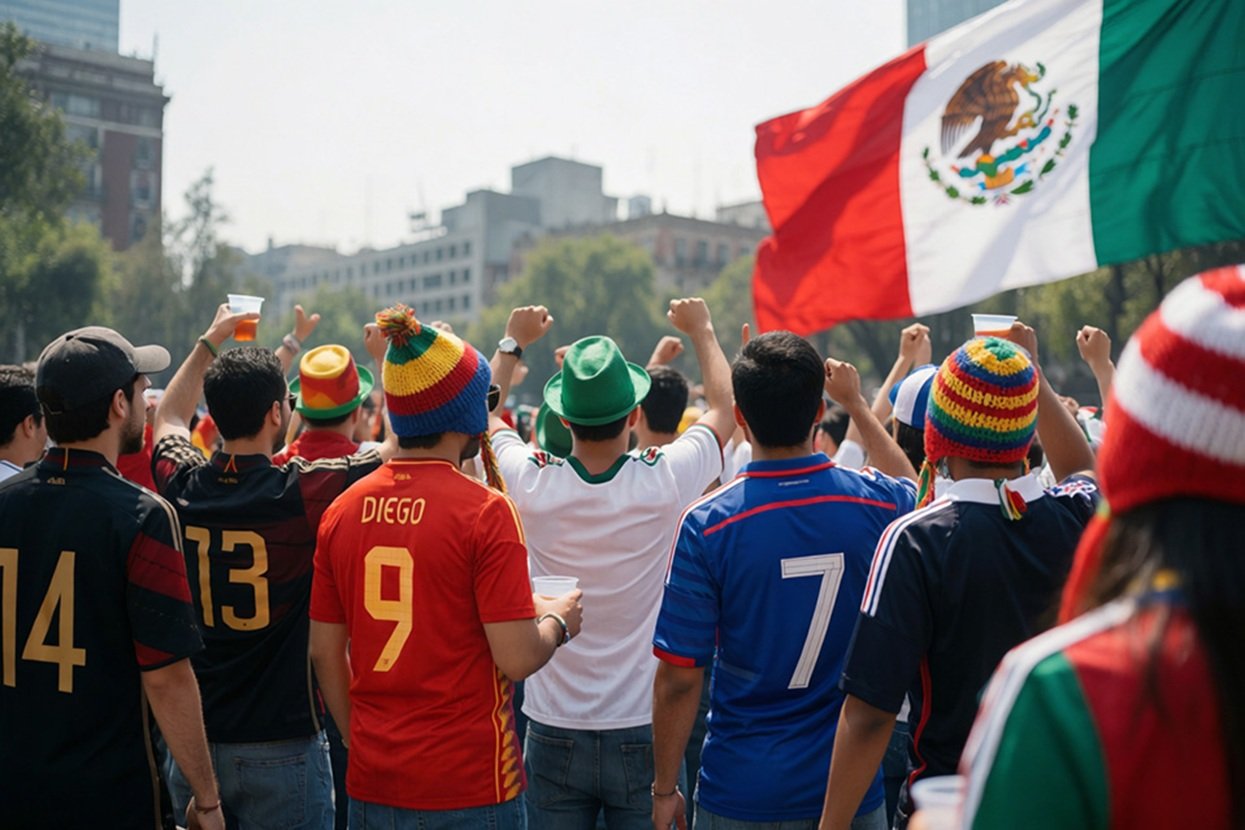
The FIFA World Cup 2026 has already begun, and Mexico is one of the tournament’s host countries, alongside the United States and Canada. The event has driven investments in infrastructure, mobility, and tourism promotion. However, it has also sparked debate over whether these types of projects generate real benefits for the population or whether their impact remains concentrated in certain sectors.
According to Dr. Marisol López, professor at the School of Administration and Business at CETYS University’s Mexicali Campus, understanding this phenomenon requires a broader economic perspective. “There is a concept in economics called the multiplier effect. Given limited resources, governments seek to invest in strategic sectors that can generate direct and indirect benefits for a larger portion of the population,” she explained.
From this perspective, she noted that international events such as the World Cup typically generate an initial perception of high public spending; however, they can also trigger economic and social transformations that persist beyond the event itself.
One of the most visible examples, the CETYS expert noted, is infrastructure. Improvements in public transportation, connectivity, urban spaces, and services are often developed to meet international demand and are later integrated into everyday public use.
Similarly, she explained that, beyond infrastructure, another of the most immediate effects is often seen in job creation. Although some of these positions are temporary, they can become opportunities for economic advancement and lead to the development of new services that continue operating after the event.
Another key factor is tourism. The arrival of international visitors not only represents an influx of foreign currency and spending during the tournament but also positions the country as a future tourist destination. “Many people are getting to know Mexico because of this event. They are discovering new routes, cities, and experiences that can turn the country into a recurring destination,” she explained.
However, the specialist distinguished between economic growth and economic development. While growth is typically measured by increases in variables such as production, investment, or consumption, development incorporates elements related to well-being, quality of life, and social perception.
In other words, the challenge is not only how much money an event generates, but whether those benefits translate into better conditions for people living in host cities.
The academic noted that indicators that could help measure this impact include job creation, access to infrastructure, reduced travel times, and the post-event use of facilities and services created for the tournament.
Given this scenario, she emphasized that risks also exist, as the challenge lies in building mechanisms that allow part of these benefits to be redistributed through public policies focused on accessibility, mobility, and public services. “These projects make sense when part of that investment returns to society and improves the quality of life for as many people as possible,” she concluded.
Mexico faces the challenge of balancing international attraction with local benefits. Beyond the sporting spectacle, the true impact will be measured by what remains once the final match has been played.
Contributing article by Cetys University.