


CBP Reminds Travelers to Declare Flowers and Plants Ahead of Mother’s Day
Share your love
 -Editorial
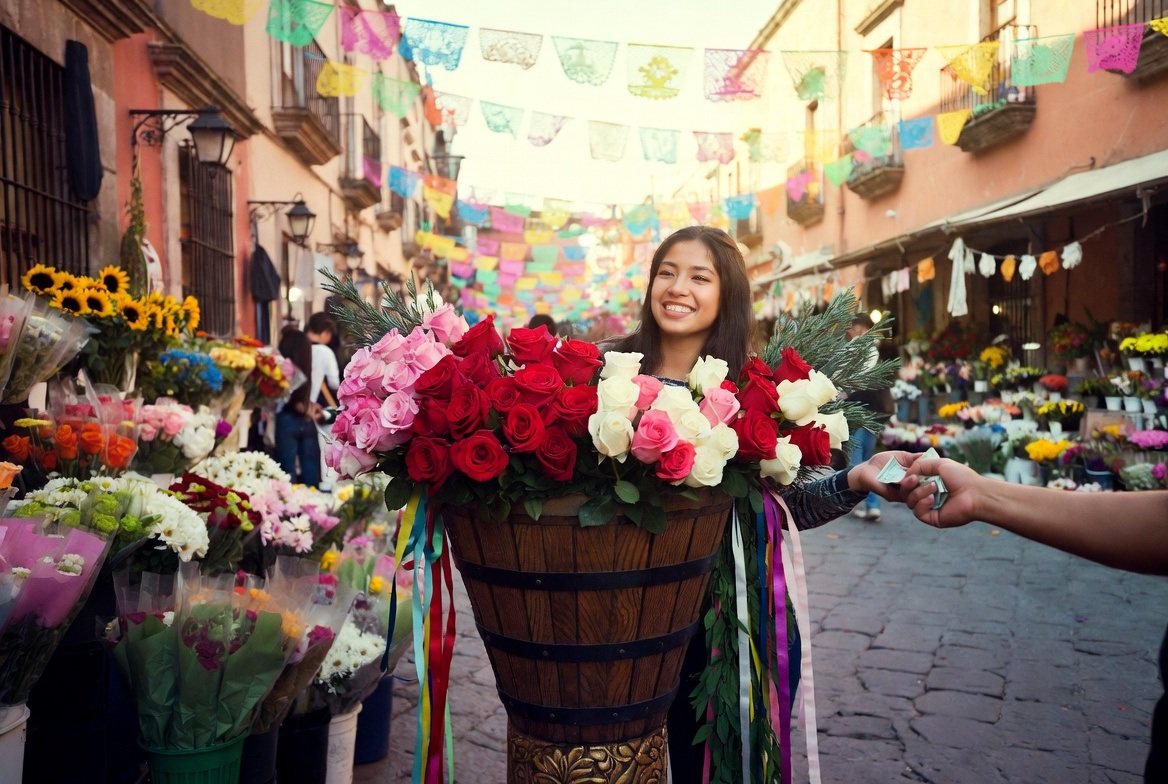
With increased cross-border travel expected during Mother’s Day weekend, U.S. Customs and Border Protection is reminding travelers to declare all flowers, plants, and related agricultural products brought from Mexico into the United States.
According to CBP, bouquets and greenery intended as gifts may carry harmful pests or plant diseases that could threaten U.S. agriculture and local ecosystems. Agriculture specialists stationed at ports of entry inspect floral and plant materials to prevent the introduction of invasive species and crop diseases.
Inspections may include shaking bouquets to uncover hidden insects and examining plants for signs of disease. In some cases, samples are forwarded to the U.S. Department of Agriculture for additional testing and identification.
CBP said some flowers, including roses and carnations, are generally permitted after inspection. However, certain plants are prohibited from entering the United States. Chrysanthemums from Mexico, for example, are banned because they may carry Chrysanthemum White Rust, a fungal disease that can damage crops.
The agency also noted that plants intended for planting, as well as soil containers, require proper permits before entry.
Officials warned that greenery used in bouquets can also pose risks. Murraya, also known as orange jasmine, can host the Asian citrus psyllid, an insect linked to serious citrus crop damage. If inspectors find an infested plant within an arrangement, the entire bouquet may be denied entry.
CBP encouraged travelers to declare all agricultural products upon arrival to avoid penalties and help protect U.S. agriculture from pests and diseases that could result in costly damage and mitigation efforts.