



Baja California Program Aims to Train Workers for Growing Health Tourism Industry
Share your love
 -Editorial
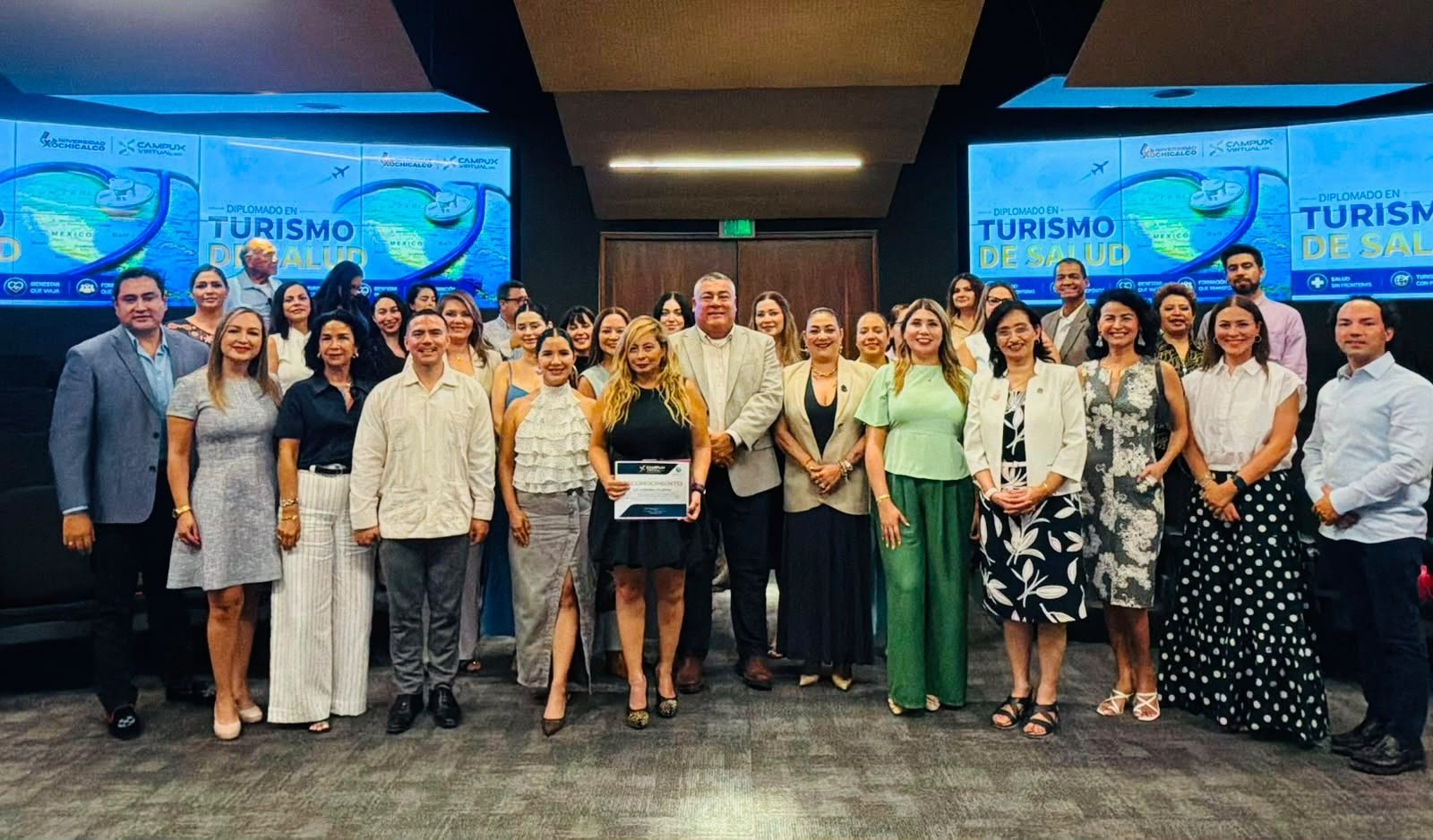
Universidad Xochicalco and the International Coalition for Medical Tourism and Value Chain of Baja California have launched a training program aimed at preparing workers for the state’s growing health tourism industry.
The five-month Health Tourism Diploma program is scheduled to begin in October and will be offered entirely online. Organizers said the program is designed to address workforce needs throughout the health tourism sector, including medical care, nursing, reception services, hospitality and transportation.
Fabián Martínez Escalante, vice rector of Universidad Xochicalco’s Virtual Campus, said the program will consist of four modules covering service marketing, personalized care, patient sensitivity, technology, regulations and emerging industry trends.
“It’s not only about doctors, but about all personnel, from the person at reception to nursing, hospitality and transportation,” Martínez Escalante said. “This diploma program responds to the needs the health tourism sector currently has.”
The first group will be limited to 30 participants, with about half of the available spaces already filled, according to Martínez Escalante. Classes will be taught by instructors from Mexico and other countries.
Atzimba Villegas, president of the International Coalition for Medical Tourism and Value Chain of Baja California, known as CITMECAV, said specialized workforce development has become increasingly important as investment in the industry grows and demand for medical services continues, particularly from U.S. patients.
“This industry is growing very quickly, and we need human capital specialized in innovation, technology, and patient care,” Villegas said. “We also want other sectors to understand what health tourism is, where it is headed and the opportunities it represents.”
Villegas said the types of medical services sought by health tourists are also evolving. In addition to bariatric surgery, plastic surgery, dentistry and ophthalmology, patients are showing increased interest in trauma care, orthopedics, oncology and regenerative medicine.
The industry is also seeing increased use of robotic surgery, artificial intelligence, telehealth and telemedicine, she said.
Villegas said English-language proficiency remains an important skill, particularly among nursing personnel who interact with international patients. CITMECAV is working on scholarship programs and educational partnerships aimed at strengthening language and other professional skills among workers serving Baja California’s health tourism industry.