


U.S. and Iran Sign 14-Point Framework Aimed at Ending War
Share your love
-Editorial
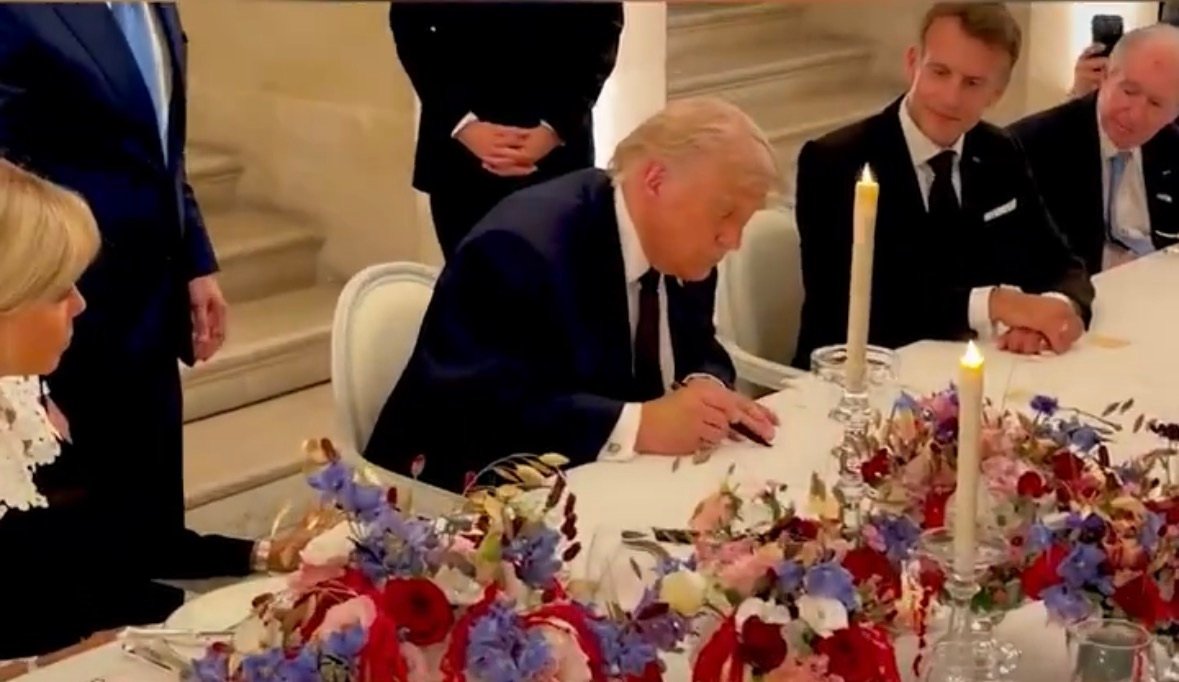
President Donald Trump and Iranian President Masoud Pezeshkian digitally signed a memorandum of understanding to establish a framework for a permanent peace agreement to end the ongoing war between the two nations, marking a rare formal step toward de-escalation after months of heightened tensions and indirect contacts.
The signing occurred three days after Vice President JD Vance and Iranian parliamentary speaker Mohammad Bagher Ghalibaf signed the same document in a separate digital ceremony, underscoring what both sides described as a coordinated effort to establish procedural continuity for negotiations. It also followed public remarks by Trump questioning whether it was appropriate for him to personally sign the agreement, reflecting internal debate within the U.S. administration over diplomatic optics and timing.
The 14-point memorandum sets out an immediate and permanent cessation of military operations between the United States, Iran, and their respective allies across all active theaters, including Lebanon and other regional zones affected by proxy conflicts. It commits both sides to refrain from the threat or use of force and to recognize and respect each other’s sovereignty and territorial integrity, while explicitly prohibiting interference in internal political affairs.
Under the framework, Washington and Tehran agree to pursue negotiations aimed at producing a final comprehensive peace agreement within 60 days, with the option of extending that timeline if both parties consent. The document also establishes preliminary principles intended to guide discussions on maritime security, particularly in the Persian Gulf and the Strait of Hormuz, a critical global energy corridor that has been a flashpoint for regional tensions.
The agreement outlines provisions for ensuring uninterrupted commercial shipping through coordinated measures intended to reduce maritime risks and restore pre-war traffic levels. It also references the gradual removal of naval blockades and restrictions, along with phased adjustments to military positioning in the region following the conclusion of a final deal.
On economic matters, the memorandum calls for the development of a large-scale reconstruction and economic development plan for Iran, with an estimated value of at least $300 billion in regional and international support. It further envisions the lifting of all U.S. sanctions, including unilateral measures and certain international restrictions, as part of a broader negotiated settlement.
The document also includes provisions addressing Iran’s nuclear program. Iran reaffirms its commitment not to pursue nuclear weapons, while both sides agree to establish mechanisms for the management and disposition of enriched uranium stockpiles under international supervision. The International Atomic Energy Agency is referenced as a potential monitoring authority for technical compliance, including processes such as on-site material downblending.
In addition, the memorandum provides for the unfreezing and phased release of Iranian assets held abroad, along with authorization for the export of Iranian crude oil and related financial transactions during the negotiation period. It also proposes the creation of a joint implementation mechanism tasked with monitoring compliance, resolving disputes, and ensuring adherence to interim commitments.
Both sides agree that pending a final deal, the current status quo will be maintained, including limits on military escalation and no additional force deployments by the United States in the region. The framework further states that any final agreement would be submitted for endorsement by a binding United Nations Security Council resolution, lending it international legal weight.
The announcement follows months of contradictory statements and evolving diplomatic signals from both Washington and Tehran. Earlier this year, Trump alternated between threats of military action and claims that a deal was close, while Iranian officials publicly rejected demands they characterized as unconditional surrender, though both sides acknowledged intermittent indirect communications through third-party mediators.