



House Approves Iran War Powers Resolution Challenging Trump’s Military Authority
Share your love
 -Editorial
The U.S. House of Representatives approved a War Powers Resolution on Wednesday aimed at ending U.S. military involvement in the ongoing conflict with Iran, marking the first time the chamber has voted to halt the military campaign that began earlier this year.
The measure passed with support from Democrats and a small group of Republicans, despite opposition from President Donald Trump and House Republican leadership. The resolution now moves to the Senate for consideration.
The War Powers Resolution is intended to limit a president’s authority to engage U.S. armed forces in hostilities without congressional approval. Under federal law, the president may deploy military forces abroad only with authorization from Congress or in response to a national emergency involving an attack on the United States, its territories, or its armed forces.
House Speaker Mike Johnson had previously sought to delay consideration of the measure, but lawmakers brought it back to the floor amid growing debate over the conflict’s costs, duration and broader implications for U.S. foreign policy.
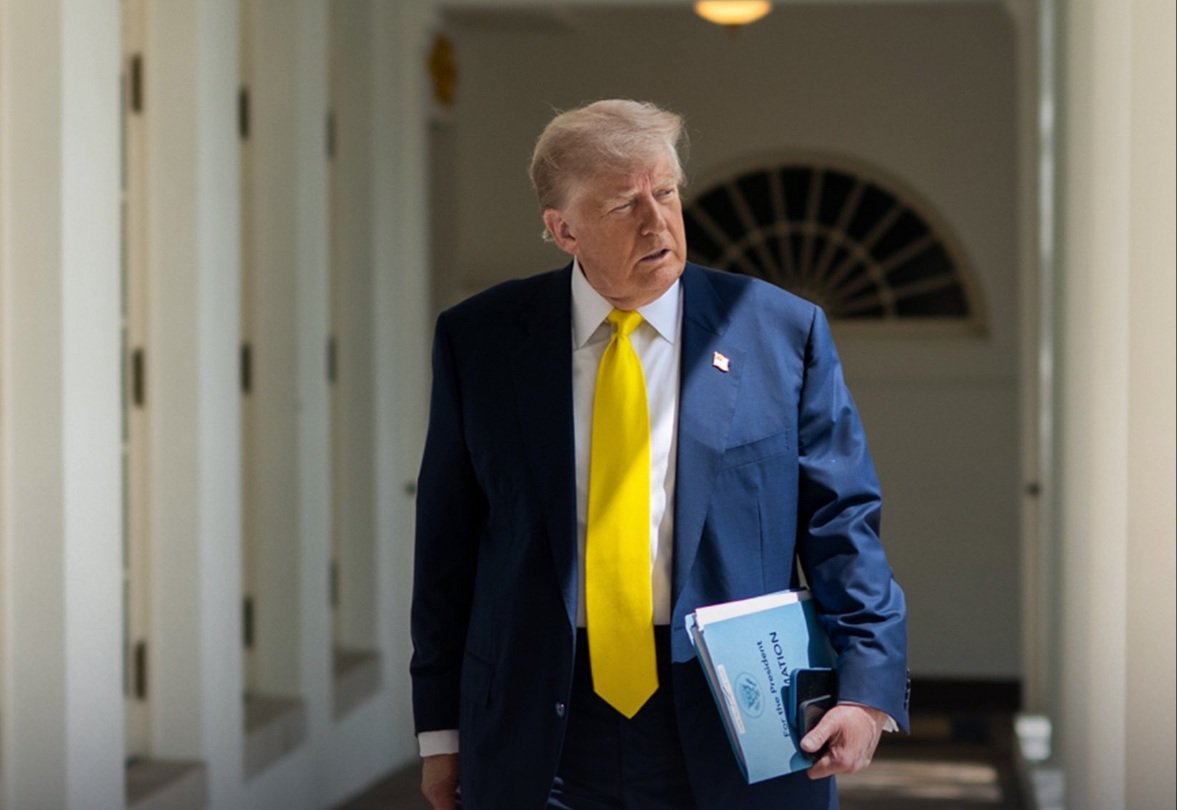
In a statement posted on Truth Social following the vote, Trump criticized lawmakers who supported the resolution, calling the measure “meaningless” and arguing that it came while efforts to negotiate an end to the conflict were still underway. He accused Democrats of opposing his administration’s policies and criticized the Republican members who joined them.
Rep. Raul Ruiz, D-Calif., supported the measure and described it as a response to what he characterized as an unauthorized war. In a statement, Ruiz cited the financial costs of the conflict, rising fuel prices and casualties among U.S. service members. He urged the Senate to approve the resolution and called for the return of U.S. troops.
The conflict began on Feb. 28, 2026, when the United States and Israel launched military strikes against targets in Iran. Since then, the war has expanded across the region, involving missile and drone attacks, disruptions to international shipping and military operations affecting multiple Middle Eastern countries.
The fighting followed years of escalating tensions among Iran, Israel and the United States, including missile exchanges in 2024 and military actions related to Iran’s nuclear program. The conflict has also contributed to economic disruptions, including volatility in global energy markets and impacts on international trade routes.
The House vote came after months of congressional debate over the administration’s military campaign in Iran and repeated efforts by lawmakers in both chambers to invoke the War Powers Resolution. While President Trump informed Congress on May 1 that hostilities had ended following a ceasefire reached in April, he later publicly acknowledged that the United States remained at war. Since March, lawmakers have introduced numerous resolutions seeking to require the withdrawal of U.S. forces from unauthorized hostilities, reflecting an ongoing dispute between Congress and the White House over the scope of presidential war-making authority.
As the resolution advances to the Senate, the vote underscores a broader constitutional debate over the balance of power between Congress and the presidency in matters of war. The outcome could have significant implications not only for U.S. policy toward Iran but also for future military engagements undertaken without explicit congressional authorization.