


Voting Rights Debate Intensifies Ahead of 2026 Midterm Elections
Share your love
-Editorial
As the 2026 midterm election season unfolds, voting rights, election access, and election administration have once again emerged as key issues in political and legal debates across the United States. New legal challenges, proposed voter identification requirements, redistricting decisions, and changes in election procedures are prompting discussions about how elections are conducted and how voters can participate in the democratic process.
During a recent American Community Media briefing, voting rights advocates and policy experts discussed the evolving election landscape, highlighting recent court decisions, legislative proposals, and ongoing efforts to educate voters about election requirements before ballots are cast later this year.
Thomas A. Saenz, president and general counsel of the Mexican American Legal Defense and Educational Fund (MALDEF), said the 2026 midterm elections could have significant implications at the federal, state, and local levels. He noted that control of Congress, as well as numerous state legislative, county, and municipal offices, will be determined by voters this year.
“Traditionally midterm elections like this have had lower turnout than presidential elections,” Saenz said. “This is something that needs to change this year.”
Saenz said several developments in election law and administration have heightened the importance of voter awareness and engagement.
One area of focus discussed during the briefing involved recent changes to congressional and legislative district maps. Saenz referenced a recent U.S. Supreme Court ruling that altered the legal standards used in challenges brought under the federal Voting Rights Act involving electoral districts.
According to Saenz, the ruling affects how district boundaries are evaluated under federal law and could influence the creation of districts where minority populations make up a majority of voters. He said several states have redrawn congressional district lines following the decision, resulting in changes to electoral maps that may affect representation in future elections.
Saenz explained that redistricting cases do not directly determine whether an individual voter can cast a ballot. Instead, they influence the districts in which voters reside and the candidates who appear on their ballots.
“What folks still need to do is vote,” Saenz said. “Whenever you redraw lines, it becomes more possible for an upset to occur.”
The discussion also addressed efforts to modify voter registration procedures, voter identification requirements, and ballot administration rules.
Saenz noted that election laws in the United States are primarily administered at the state level, while Congress has authority to establish rules governing federal elections. He said voters should closely monitor election requirements in their states and ensure they understand any documentation or registration deadlines that may apply before Election Day.
“What needs to occur is that we get an electorate that is fully informed, so that as many people as possible are in a position to cast a ballot in the November election,” Saenz said.
He also highlighted concerns regarding misinformation and disinformation related to elections. Such information can include incorrect details about election dates, polling locations, voter eligibility requirements, or ballot-casting procedures.
“When the November election comes around, we will need to grapple with attempts to deter participation by putting out misinformation and disinformation about the date of the election, about where you have to vote, about what it takes to cast a ballot,” Saenz said.
He encouraged voters to rely on official information distributed by election offices, registrars of voters, and county election departments when seeking guidance about voting requirements.
“The most important thing now is accurate information about what it will take to vote,” he said.
Another issue discussed during the briefing involved public confidence in election administration and vote counting. Responding to a question about voter fraud and election integrity, Saenz said instances of voter fraud by ineligible voters remain uncommon.
“There has not been any demonstrated, proven widespread voting by non-eligible voters in the last 60 years,” Saenz said. “Even the proponents of these election security measures have been able to come forward with nothing to support the need for these measures.”
Saenz argued that election integrity depends on transparent processes and qualified election officials who accurately count all eligible ballots submitted under state law.
“Folks need to understand, if you have the right to vote for someone who administers elections, you should vote in that election,” he said. “You should make sure you’re choosing someone who places a priority on counting every eligible vote.”
The briefing also featured remarks from Da Hae Kim, policy advocacy manager for VoteRiders, a national nonprofit organization that provides voter identification education and assistance.
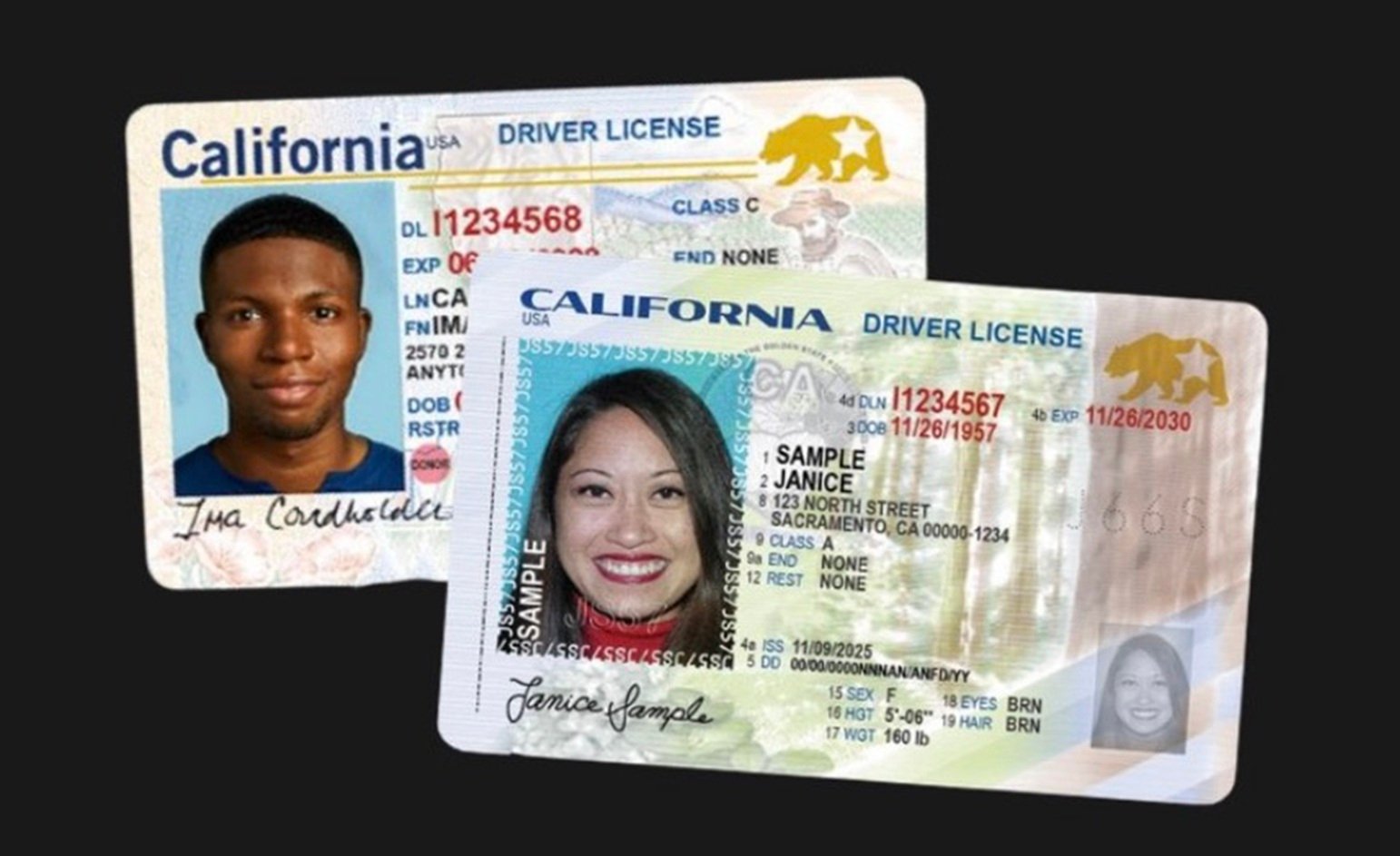
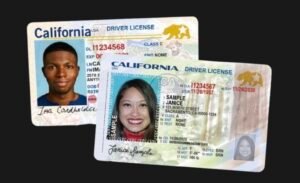
Kim discussed the growing number of voter identification laws enacted across the country and their potential impact on voters. According to VoteRiders, 38 states currently require some form of identification to vote, although the specific forms of acceptable identification vary significantly among states.
“In recent years we have seen an explosion of voter ID laws,” Kim said. “Currently, 38 states require some form of ID at the ballot, and we are seeing new bills popping up at an alarming rate each year.”
Kim said the organization has observed increasing confusion among voters due to differing state requirements and periodic changes to election laws.
“New and stricter voter ID laws create widespread barriers for eligible voters, many of whom have been successfully voting for years,” she said. “The ever-changing landscape of voter ID laws creates confusion for voters who will often stay at home rather than face shame or get turned away.”
VoteRiders research presented during the discussion found that millions of voting-age Americans do not possess a current, unexpired driver’s license or state-issued identification card. The organization also reported that many voters possess identification documents that may not contain their current address or legal name.
Kim said these circumstances can create challenges for voters in states with strict identification requirements. She added that barriers can include the cost of obtaining documents, transportation challenges, limited access to government offices, and the replacement of documents lost due to natural disasters such as floods and wildfires.
“We often encounter cost as a barrier to getting an ID,” Kim said. “If it is a choice between putting food on the table or getting an up-to-date license or identification, putting food on the table will likely take precedence.”
She added that residents of rural communities may face additional obstacles due to transportation limitations and long distances to government offices.
The organization’s research also found that younger voters, low-income residents, and some racial and ethnic minority groups are less likely to possess current identification documents compared with other segments of the population.
Kim also discussed proposals that would require documentary proof of citizenship during voter registration. Such requirements typically involve presenting documents such as a passport, birth certificate, or other records establishing U.S. citizenship.
“Our research shows that millions of Americans would not be able to comply with such requirements,” Kim said.
Despite those challenges, Kim emphasized that the organization’s goal is to help eligible voters navigate existing requirements rather than discourage participation.
“I am not sharing these research statistics to dissuade anyone from voting,” she said. “On the contrary, I am sharing this to empower those learning these facts to continue to add their voice in our democracy.”
Kim said VoteRiders assists with obtaining identification documents, including helping individuals cover related fees and transportation costs when necessary.
The discussion also included questions regarding voter identification requirements and whether certain forms of identification are accepted for voting purposes.
“The short answer is yes, the type of ID matters,” Kim said. “Each state has different types of IDs that they will take.”
They were asked about voting eligibility for noncitizens, including lawful permanent residents and individuals with Temporary Protected Status. Saenz said noncitizens generally are not eligible to vote in federal or state elections throughout the United States.
“By and large non-citizens do not, and have not had the right to vote,” Saenz said. “Non-citizens cannot anywhere in this country cast a ballot for federal elections.”
Throughout the briefing, speakers repeatedly emphasized voter education as one of the most important tools for ensuring participation in the electoral process.