


U.S.-Mexico Livestock Trade Resumes as USDA Begins Phased Border Port Reopening
Share your love
 -Editorial
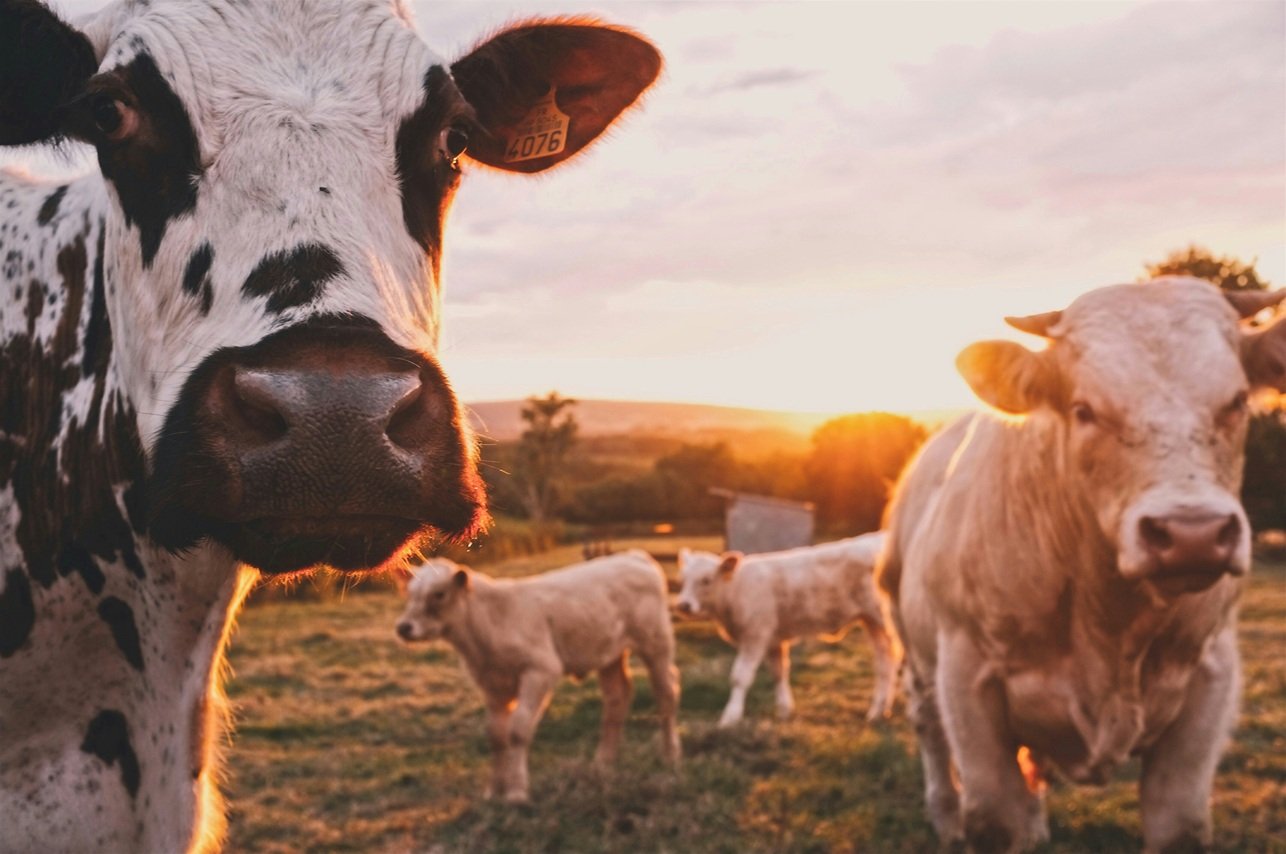
The U.S. Department of Agriculture announced a phased reopening of Southern border ports for livestock trade, with the first reopening scheduled for Aug. 24, 2026, at the Douglas, Arizona, port of entry. The move comes after months of restrictions aimed at preventing the spread of New World screwworm, a parasitic pest that poses a threat to livestock health.
The reopening is contingent on Mexico’s continued compliance with the Joint Action Plan developed to address New World screwworm prevention, surveillance and control measures. Under the plan, livestock entering the United States through reopened ports will undergo full USDA inspections to ensure animals show no signs of infestation.
USDA said the Douglas port, which borders Sonora, was selected for the initial reopening because of the state’s strong animal health infrastructure, established inspection programs and geographic distance from southern Mexico, where most New World screwworm cases have been detected.
The agency also identified Chihuahua as another low-risk state due to its long-standing animal disease control programs and inspection systems. USDA officials said Sonora and Chihuahua have maintained successful livestock health measures that provide confidence in their ability to prevent the spread of the pest.
“The closure of the Southern ports of entry for the last year has been a tough but necessary action to control the spread of NWS in Mexico and protect the American livestock industry,” U.S. Agriculture Secretary Brooke L. Rollins said. “Thanks to the work across the federal government as well as state, local and industry partners, it is now safe to reopen the Douglas, Arizona, port to resume the hundreds-of-years-old movement of cattle.”
The closest active New World screwworm case to the Douglas port was detected about 325 miles away on July 22, 2026, according to USDA. Following an evaluation of the initial reopening, the agency’s Animal and Plant Health Inspection Service will consider reopening additional ports, including Santa Teresa and Columbus, New Mexico, for live cattle, bison and horses.
Mexican President Claudia Sheinbaum said she welcomed the U.S. government’s decision to resume imports of Mexican cattle, calling it “great news” for the country’s ranchers. She said she had directed officials to accelerate coordination with U.S. authorities so cattle shipments can resume as quickly as possible, beginning in the final weeks of August through the Agua Prieta port in Sonora, followed by two additional ports in Chihuahua. Sheinbaum credited ranchers for their efforts to help contain the New World screwworm outbreak and said the decision demonstrates that dialogue, cooperation and mutual respect between Mexico and the United States can produce results that benefit both countries. She also thanked U.S. Agriculture Secretary Brooke Rollins for what she described as a respectful and productive working relationship.
USDA said the reopening timeline will remain flexible and may be adjusted based on Mexico’s progress in meeting Action Plan requirements and addressing any emerging risks. The agency also said port operations could be paused if inspections, audits or other information indicate an increased threat of New World screwworm in Sonora or Chihuahua.
The Southern border livestock restrictions were implemented as officials worked to contain the spread of the pest in Mexico and protect U.S. livestock producers. USDA said the phased approach is intended to balance the resumption of cattle trade with continued safeguards to protect animal health and the U.S. agricultural industry.