


U.S. Indictment Alleges Sinaloa Officials Conspired with Cartel to Traffic Drugs
Share your love
 -Editorial
Federal prosecutors have unsealed a sweeping indictment charging 10 current and former officials from the Mexican state of Sinaloa, including the sitting governor, with participating in a long-running conspiracy to traffic narcotics into the United States in coordination with the Sinaloa Cartel.
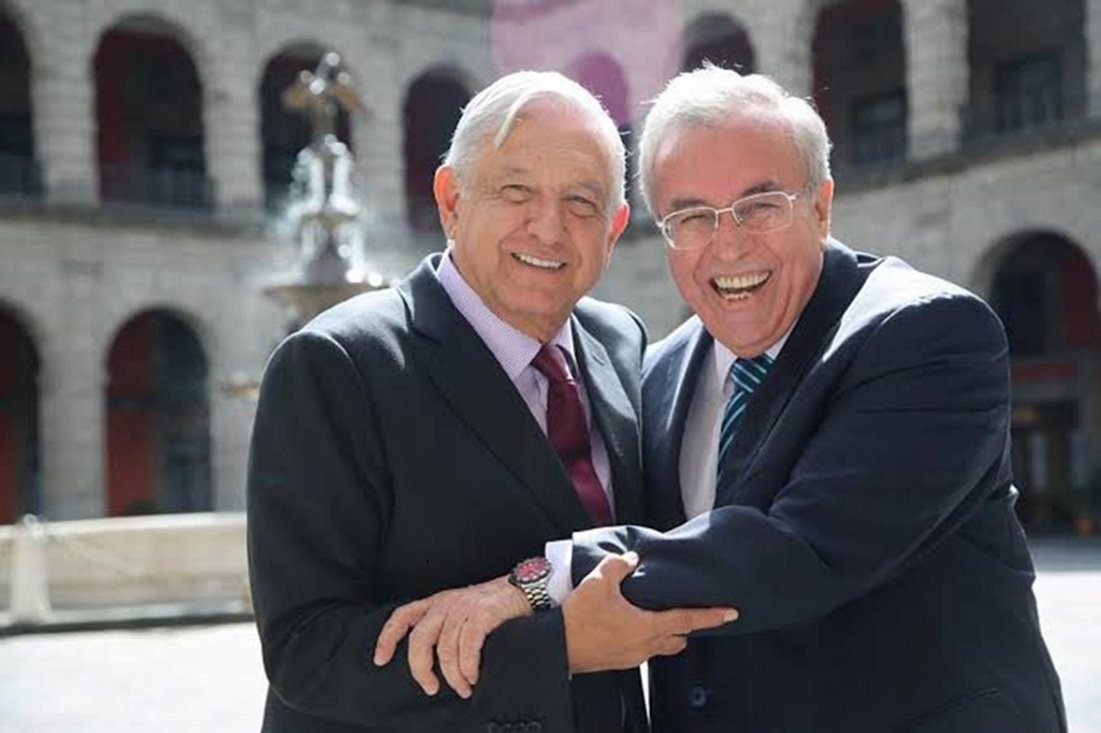
The indictment, announced by the U.S. Attorney’s Office for the Southern District of New York and the U.S. Drug Enforcement Administration, names Gov. Rubén Rocha Moya, Mexican Sen. Enrique Inzunza Cázarez, Culiacán Mayor Juan de Dios Gámez Mendívil, and several former senior law enforcement and government officials.
Also charged are Enrique Díaz Vega, Dámaso Castro Zaavedra, Marco Antonio Almanza Avilés, Alberto Jorge Contreras Núñez, Gerardo Mérida Sánchez, José Antonio Dionisio Hipólito, and Juan Valenzuela Millán.
Prosecutors allege the defendants conspired with leaders of the Sinaloa Cartel to import large quantities of fentanyl, heroin, cocaine, and methamphetamine into the United States. In exchange, authorities say, the officials received bribes and political support while using their positions to facilitate cartel operations.
According to the indictment, the defendants are accused of protecting cartel leaders from investigation and arrest, sharing sensitive law enforcement and military information, and directing police agencies to safeguard drug shipments moving through Mexico toward the United States. Authorities also allege the officials allowed cartel-related violence to occur without intervention.
The charges describe an alleged relationship between the defendants and a faction of the cartel known as “Los Chapitos,” linked to the sons of Joaquín “El Chapo” Guzmán, the cartel’s former leader. Prosecutors claim the group relied on corruption within public institutions to maintain and expand its drug trafficking network.
The indictment further alleges that cartel members provided political assistance to some of the defendants, including support during election campaigns. In the case of Rocha Moya, prosecutors allege cartel operatives used intimidation tactics against political rivals and that the governor later met with cartel leaders and agreed to protect their operations. The indictment presents these claims as part of the alleged conspiracy; no findings of fact have been made in court.
Several defendants are accused of playing key roles within state and local law enforcement agencies. Prosecutors allege some officials directed police forces, including the Sinaloa State Police and municipal departments, to assist cartel activities by protecting drug shipments and providing operational intelligence.
In addition to drug trafficking and weapons-related charges, one defendant, Juan Valenzuela Millán, faces separate counts tied to alleged kidnappings and killings. According to prosecutors, Millán, a former high-ranking commander in the Culiacán Municipal Police, is accused of helping cartel members abduct a confidential DEA source and a relative in 2023. The victims were allegedly tortured and killed after being suspected of cooperating with U.S. authorities.
Federal officials described the indictment as part of a broader effort to disrupt the Sinaloa Cartel’s operations and target networks that support its activities. Since 2023, prosecutors in the Southern District of New York say they have charged more than 30 individuals connected to the cartel, including alleged leaders and associates.
The Sinaloa Cartel has long been identified by U.S. authorities as one of the most powerful drug trafficking organizations in the world, with operations spanning multiple countries. Prosecutors allege the group has worked with international suppliers and distributors to move narcotics into the United States and has been responsible for widespread violence.
All of the defendants named in the indictment are believed to be in Mexico. It was not immediately clear whether any had legal representation in the United States or had responded publicly to the charges.
If convicted, the defendants face potential penalties ranging from mandatory minimum sentences of 40 years in prison to life imprisonment, depending on the counts. A federal judge would determine sentencing.
The case has been assigned to a U.S. District Court judge in Manhattan. It is being handled by the office’s National Security and International Narcotics Unit.
U.S. Ambassador Ron Johnson, the embassy said, combating corruption and transnational criminal activity remains a shared priority for the United States and Mexico. “Our countries have pledged to strengthen transparency, enforce anti-corruption laws and uphold the rule of law,” the statement said, adding that this is what citizens on both sides of the border “want and deserve.”
The embassy said the United States will continue to coordinate with Mexican leadership to advance accountability, strengthen institutions, and promote security and prosperity. It added that while it cannot comment on the specific facts of the indictments and the legal process must proceed, corruption that enables organized crime will be investigated and prosecuted where U.S. jurisdiction applies.