


Trump Announces Historic U.S.–Iran Framework Deal, Launching 60-Day Countdown to Potential Peace Treaty
Share your love
 -Editorial
The United States and Iran announced that they have agreed to a framework memorandum of understanding aimed at ending the 2026 war between the two countries and their regional allies, marking what officials described as a breakthrough after months of sustained conflict across the Middle East.
The agreement, brokered with mediation from Pakistan, establishes an immediate cessation of hostilities and outlines a 60-day negotiating period to finalize a comprehensive peace treaty, according to statements from U.S. and Iranian officials.
The agreement is expected to be formally signed in Switzerland on June 19.
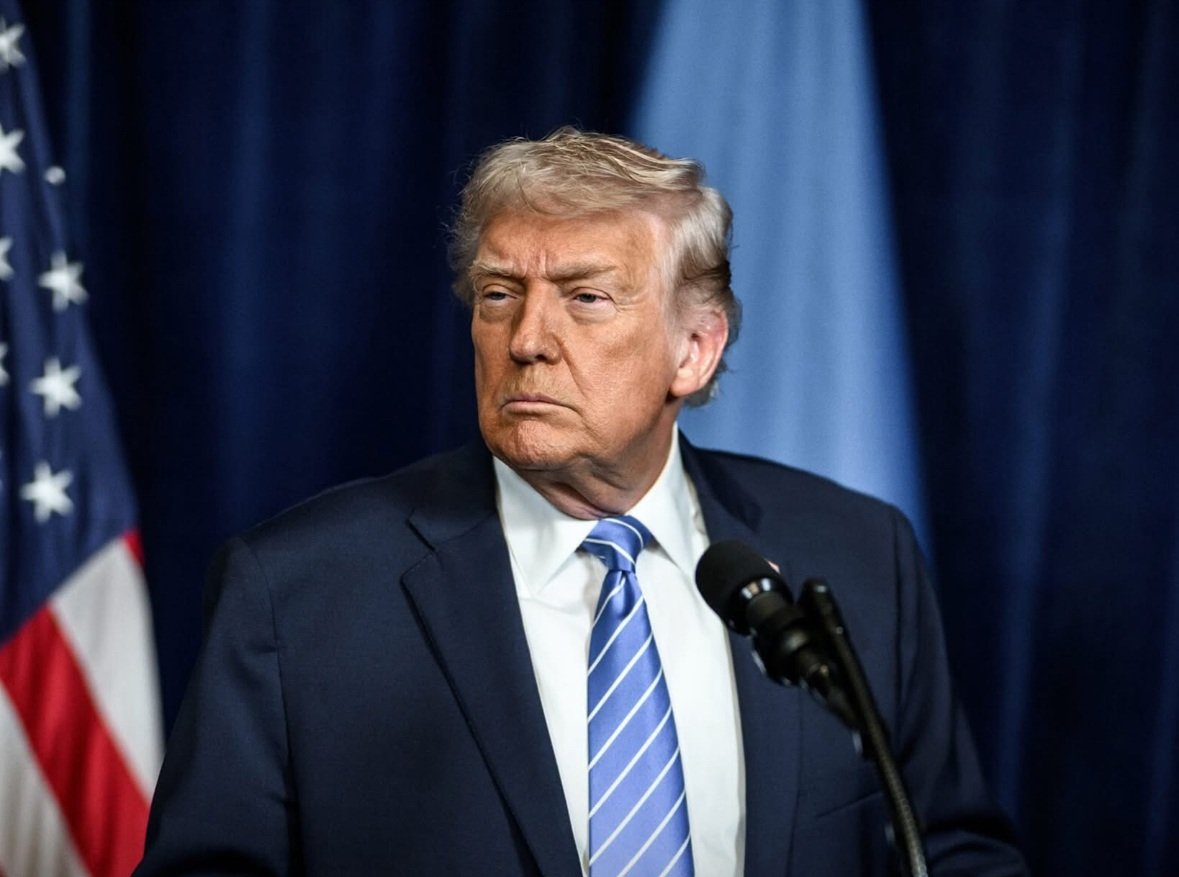
President Donald Trump confirmed the deal in a public statement, declaring that military operations would cease and that key maritime restrictions would be lifted.
“The Deal with the Islamic Republic of Iran is now complete. Congratulations to all!” Trump said. “I hereby fully authorize the toll-free opening of the Strait of Hormuz, and, simultaneously herewith, authorize the immediate removal of the United States Naval blockade. Ships of the World, start your engines. Let the oil flow!”
Iranian officials separately confirmed participation in the agreement, describing it as a structured framework for de-escalation, though they emphasized that final terms remain subject to negotiation during the coming two months.
Under the memorandum, both sides agreed to halt all military operations immediately across all active theaters of conflict, including maritime operations in the Persian Gulf and ongoing hostilities connected to Lebanon, where fighting involving Iranian-aligned forces and Israel had escalated significantly in recent months.
Officials said the ceasefire is intended to apply broadly to direct and indirect engagements linked to the U.S.-Iran confrontation, including proxy conflicts that expanded across Iraq, Syria, Lebanon, and parts of the Gulf region.
The agreement also includes commitments to avoid further strikes on energy infrastructure and commercial shipping, a key concern after months of disruptions to global oil and gas flows.
A central component of the framework is the reopening of the Strait of Hormuz, one of the world’s most critical energy chokepoints, through which a significant portion of global oil shipments pass.
The agreement calls for safe and toll-free passage for commercial vessels and the removal of U.S. naval restrictions in the region. Officials said maritime security arrangements will be addressed in detail during the 60-day negotiation window.
The Strait had been effectively constrained during the conflict due to Iranian restrictions and U.S. naval enforcement operations, contributing to volatility in global energy markets and rising shipping insurance costs.
The framework also includes preliminary understandings of Iran’s nuclear program. Iranian officials are expected to reaffirm commitments under the Nuclear Non-Proliferation Treaty, while the United States has indicated that a final agreement would require additional verification steps regarding Iran’s stockpiles of enriched uranium.
According to officials familiar with the negotiations, those provisions could include the dismantling or dilution of highly enriched uranium, though the specifics are to be negotiated.
The agreement does not immediately resolve long-standing disputes over Iran’s nuclear capabilities, but officials on both sides described the framework as a step toward a verifiable, long-term arrangement intended to prevent renewed escalation.
The memorandum outlines a phased approach to easing U.S. sanctions on Iran, tied to compliance milestones during the negotiation period and implementation phase.
It also includes provisions for the unfreezing of an estimated $24 billion to $25 billion in Iranian assets held abroad. In addition, international partners are expected to coordinate a broader reconstruction effort for Iran that officials estimate could reach $300 billion over time.
U.S. officials described the economic components as incentives designed to stabilize the region and support post-conflict recovery, while Iranian representatives have long sought sanctions relief as part of any negotiated settlement.
The agreement follows a prolonged period of regional warfare that began with escalating tensions in 2023 and expanded significantly over the following years.
In 2024, Iran and Israel exchanged missile strikes, intensifying an already fragile regional security environment. In 2025, the conflict broadened further during what officials have referred to as the Twelve-Day War, which included U.S. airstrikes targeting Iranian nuclear-related sites.
By 2026, the conflict had expanded to multiple fronts, including Lebanon, where Hezbollah’s involvement in cross-border attacks contributed to a widening war with Israel. Maritime security in the Persian Gulf also deteriorated as attacks on energy infrastructure and shipping increased.
The United States had maintained a naval presence in the region, which at various points included enforcement actions described by officials as a blockade aimed at deterring Iranian military and proxy activity.
The war’s expansion produced widespread humanitarian and economic consequences across the region. Civilians in multiple countries were affected by missile and drone strikes, displacement, and infrastructure damage.
Energy markets experienced significant disruption due to attacks on production and transport infrastructure, as well as instability in the Strait of Hormuz. Global oil prices fluctuated sharply throughout the conflict, and shipping costs increased as insurers priced in heightened regional risk.