


Trump Announces 50% Tariffs on Canada as Carney Ends Talks
Share your love
 -Editorial
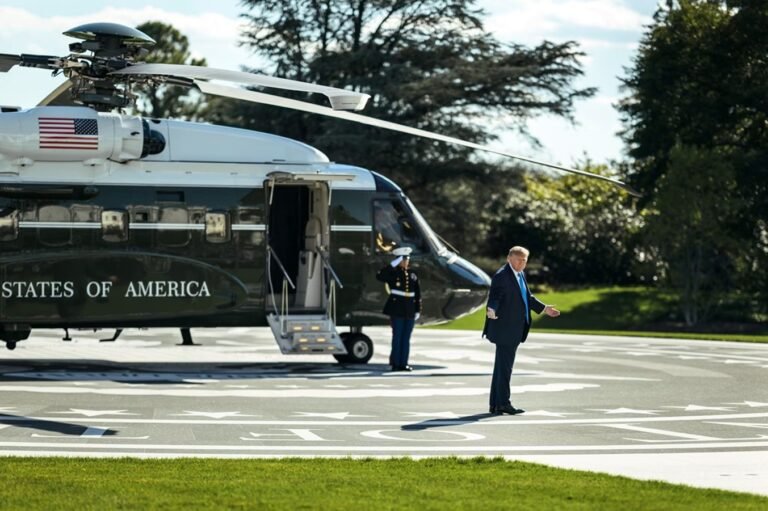
President Donald Trump announced plans to increase tariffs on Canadian cars, trucks, automotive parts and steel to 50% beginning Jan. 1, 2027, escalating a trade dispute with one of the United States’ largest trading partners.
In a statement, Trump accused Canada of imposing high tariffs on U.S. farmers and agricultural products and said the trade relationship had contributed to what he described as a $60 billion deficit between the two countries.
Trump said vehicles and other products manufactured in the United States would not be subject to the new tariffs. He also said Canada would no longer be treated differently from U.S. states on trade matters and argued that Canada depends more heavily on the American market than the United States depends on Canada.
The announcement came shortly after Canadian Prime Minister Mark Carney said Canada was suspending trade negotiations with the United States after concluding that Washington’s latest demands did not constitute a fair agreement.
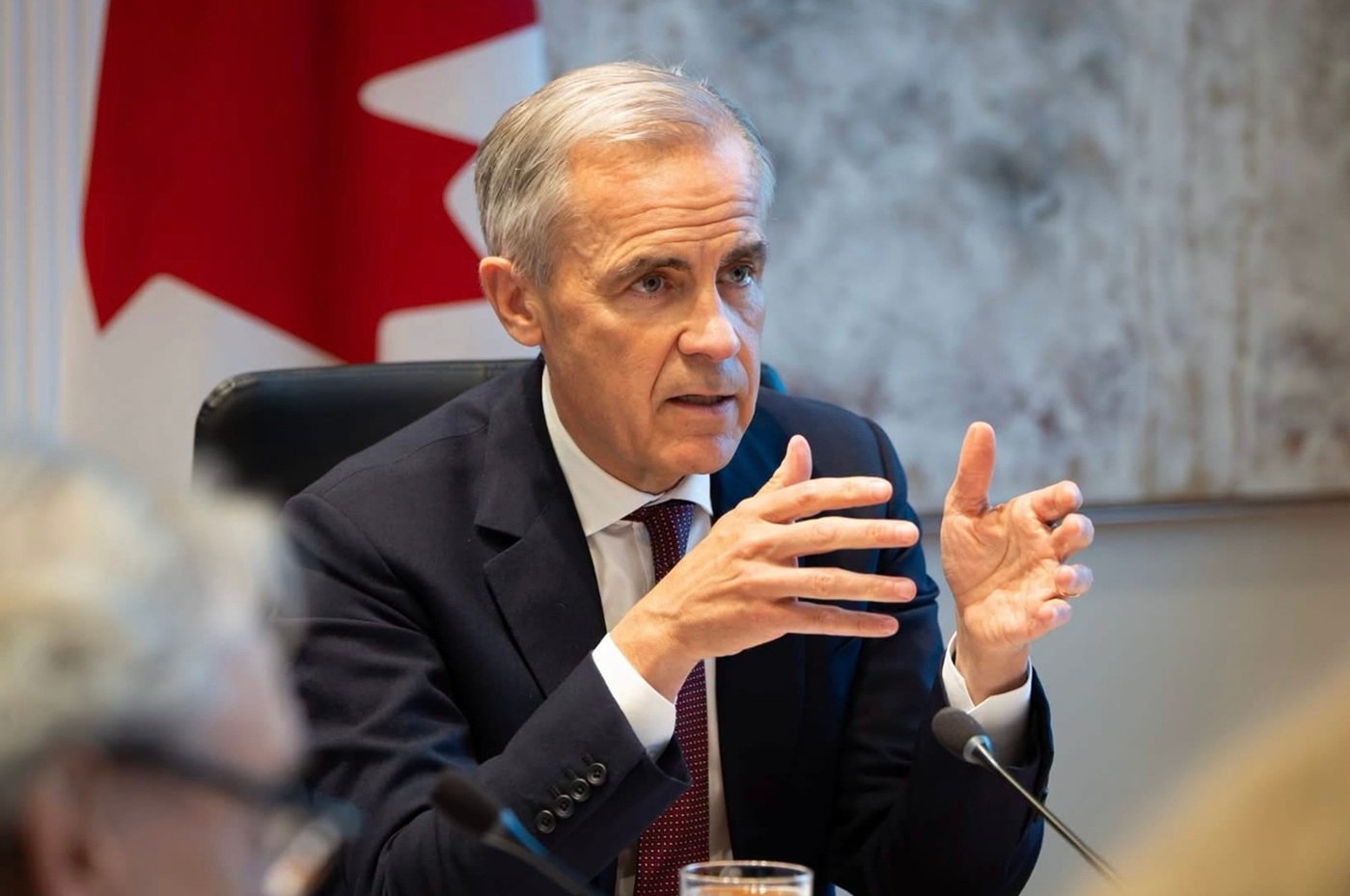
In remarks on Aug. 22 in Ottawa, Carney said Canadian negotiators had worked for more than a year to reach an agreement that would protect Canadian workers and businesses while preserving Canada’s sovereignty.
“We cannot accept what they have offered, and we will not give what they have asked,” Carney said.
Carney said the United States had imposed a series of tariffs that Canada considers inconsistent with its trade commitments under the Canada-United States-Mexico Agreement, or CUSMA. He said the U.S. rationale for the tariffs had changed over time and included concerns about fentanyl, taxes on U.S. technology companies, aircraft certification, Canadian dairy policy, alcohol sales and other issues.
Trump’s latest statement focused on the bilateral trade deficit. Carney disputed the characterization, saying the U.S. merchandise trade deficit with Canada is largely connected to American purchases of Canadian energy.
According to Carney, Canada supplies about 99% of U.S. natural gas imports, 85% of U.S. electricity imports and 60% of U.S. crude oil imports. He also said the broader trade balance, which includes services, shows a persistent U.S. surplus with Canada.
Carney emphasized the scale of Canada’s purchases from the United States, saying Americans sold nearly $600 billion in goods and services to Canadians last year. He said Canada is the largest customer for U.S. goods in 26 states and ranks among the top three customers for 45 states.
Carney also said Canada is the largest foreign customer for U.S. automobiles, purchasing more American-built vehicles than the United Kingdom, Japan and China combined.
The Canadian government had proposed removing its remaining retaliatory tariffs on certain strategic sectors, including steel, aluminum and automobiles, if the United States substantially reduced its tariffs on Canadian products, Carney said. Canada also offered measures involving the sale of U.S. alcohol in Canadian provinces and its supply-management system.
Carney said Canada would not compromise on issues involving national sovereignty, the French language, Canadian culture or key industries.
After negotiations broke down, Carney said Canada would match new U.S. tariffs “dollar for dollar” to protect Canadian workers, farmers, families and businesses. The retaliatory measures are expected to focus on sectors including steel, dairy, appliances, agricultural equipment, pulp and paper, and electronics.
Carney said the details would be released in the coming days, with the new Canadian tariffs scheduled to take effect the Tuesday after Labour Day.
“We take this step reluctantly,” Carney said, citing concerns that retaliatory tariffs could increase costs and reduce choices for Canadian consumers and affect U.S. companies and states that were not seeking a trade dispute.
The two countries remain deeply integrated economically. Canada and the United States have extensive trade in energy, automobiles, agricultural products, steel, manufactured goods and services, with supply chains crossing the border.
Carney said Canada would respond to the dispute by increasing domestic investment and diversifying its international trade relationships. He cited plans for major infrastructure projects, housing, electricity infrastructure and expanded trade agreements.
The Canadian government also plans to provide $25 billion to assist workers and businesses affected by U.S. tariffs, according to Carney. He said the funding would support small and medium-sized businesses, large employers and industries seeking to adapt to new markets.
Carney said Canada has secured trade agreements providing tariff-free access to 1.5 billion consumers and plans to expand that access through additional agreements, including with countries in the Association of Southeast Asian Nations and India.