


Mexico Expands Gulf Cleanup and Launches Permanent Monitoring Program
Share your love
 -Editorial
A federal interagency group reported expanded operations and measurable progress in response to hydrocarbon contamination along the Gulf of Mexico coastline, while announcing the creation of a permanent monitoring initiative to strengthen environmental protection, climate resilience, and public safety.
The Interinstitutional Group, composed of federal agencies including the Secretariats of Navy, Environment, Energy, and Science, as well as regulatory bodies and state and municipal authorities, said coordinated efforts remain active across 48 beaches in the Gulf region. Of those, 32, including seven in Tabasco and 25 in Veracruz, have been cleared of hydrocarbon residue following intensive cleanup, containment, and monitoring operations.
According to officials, 3,365 personnel have been deployed to carry out repeated ground patrols along more than 630 kilometers (391 miles) of coastline. These efforts have been supported by maritime and aerial operations, including reconnaissance flights over the Bay of Campeche and the Cantarell oil complex. Authorities also reported systematic hydrocarbon sampling, conducted under chain-of-custody protocols, and inspections of vessels to identify potential sources of contamination.
The group reported the recovery of 894.2 metric tons of hydrocarbons, including 853.6 tons collected from beaches and 40.6 tons from marine environments. Cleanup operations have relied on both manual labor and mechanical equipment to ensure proper removal and disposal.
Resources deployed in the response include 25 vessels, 48 vehicles, and 9 aircraft, along with drones and submersible units to enhance surveillance, monitoring, and containment. Authorities said approximately 2,000 meters of containment barriers have been installed, with an additional 17,000 meters in transit to reinforce ongoing efforts.
Monitoring and inspection activities continue in multiple areas, including coastal zones in Tamaulipas, where authorities have covered approximately 15 kilometers (9 miles) of shoreline. Inspections are also ongoing at maritime anchorage points such as Coatzacoalcos to prevent illegal discharges.
As part of a directive from President Claudia Sheinbaum, officials announced the establishment of a Permanent Gulf of Mexico Observatory, described as a long-term strategic initiative to monitor climate change, biodiversity, and environmental risks in the region.
The observatory will operate under a “triple helix” model, integrating scientific institutions, private sector participation, and government agencies. It will combine field monitoring infrastructure, including oceanographic buoys, meteorological stations, and tidal gauges, with satellite technology, digital platforms, and predictive models to generate real-time scientific data.
Participating institutions include national universities and research centers, which will work alongside public agencies to translate scientific findings into public policy and environmental management strategies. The initiative aims to strengthen evidence-based decision-making and promote community participation through citizen science programs.
The observatory’s objectives include monitoring climate change, managing biodiversity conservation resources, enhancing industrial and environmental safety, and encouraging public involvement in environmental data collection and oversight.
Authorities also highlighted outreach efforts to fishing communities in Veracruz, where officials have visited multiple municipalities to engage directly with fishermen, assess local needs, and support the continuity of fishing activities amid environmental concerns.
Environmental inspections in affected areas indicate limited ongoing impacts. In Tatahuicapan, Veracruz, inspectors confirmed that cleanup operations are continuing, with only minimal presence of marine residue reported. Authorities said these efforts have included coordination with residents and community groups.
In Tamaulipas, inspections conducted on April 3 reported clean beach conditions in several areas of Miramar, as well as unaffected mangrove zones in Altamira. Cleanup operations remain ongoing in other locations, including La Pesca. Local authorities in Ciudad Madero have maintained cleanup crews and continued surveillance activities in coastal zones and protected areas such as the Rancho Nuevo Turtle Sanctuary.
Federal environmental agencies reported no affected wildlife following recent monitoring patrols across protected natural areas in Veracruz, Tabasco, and Tamaulipas. Seven inspection patrols conducted along more than 37 kilometers (23 miles) of coastline did not detect impacts on fauna.
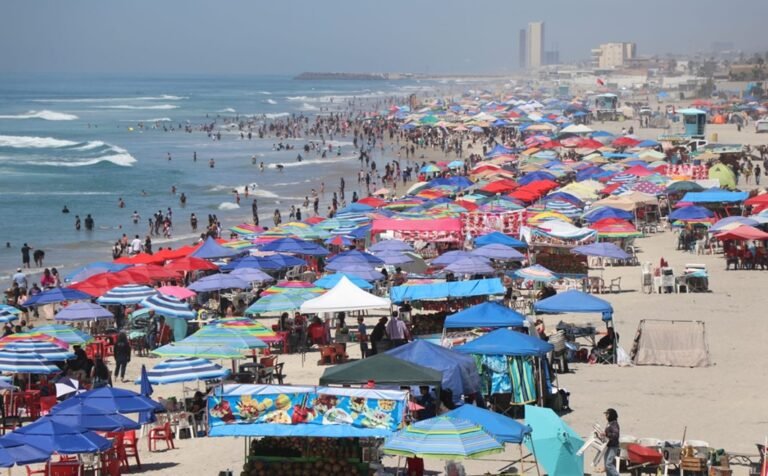
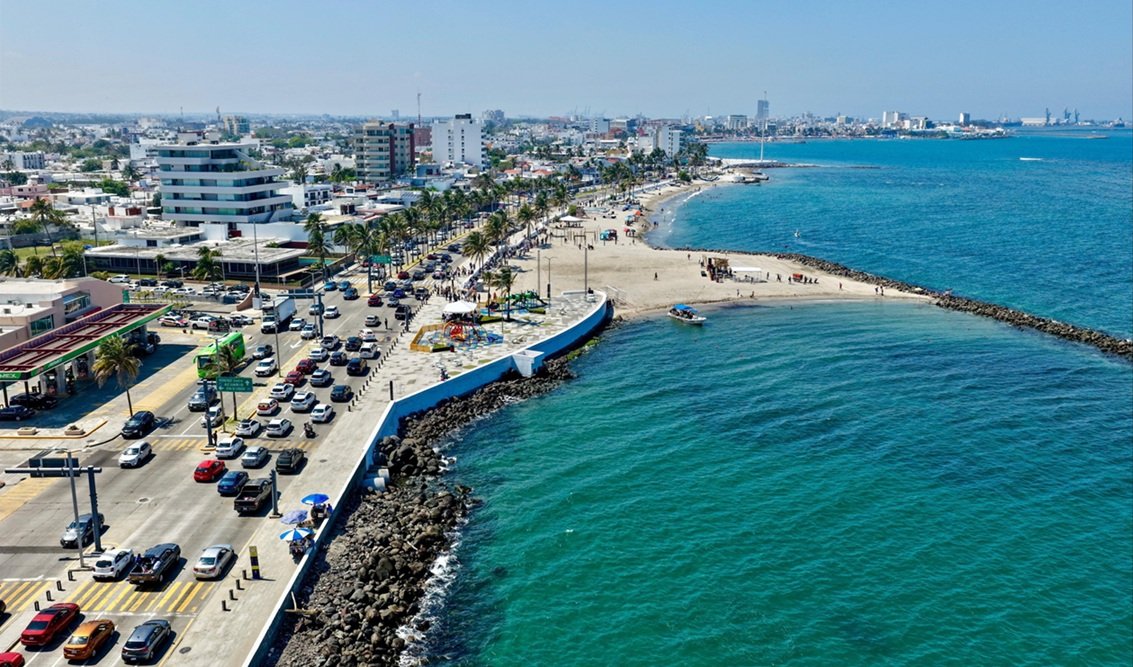
Tourism activity in coastal destinations, including Ciudad del Carmen, Papantla, Veracruz, Boca del Río, Alvarado, and Tuxpan, has continued without major disruptions, according to authorities.
Additional monitoring and cleanup efforts remain ongoing in areas such as Pajapan, Veracruz, where authorities continue to track potential new arrivals of hydrocarbons.
Regulators also reported ongoing coordination in the management of waste collected during cleanup operations, including the establishment of designated sites for storage, transport, and disposal. Preventive monitoring efforts have been intensified during the Easter holiday period to ensure environmental safety and maintain beach conditions for visitors.