


California Officials Urge Communities to Act Before Wildfires Strike
Share your love
 -Editorial
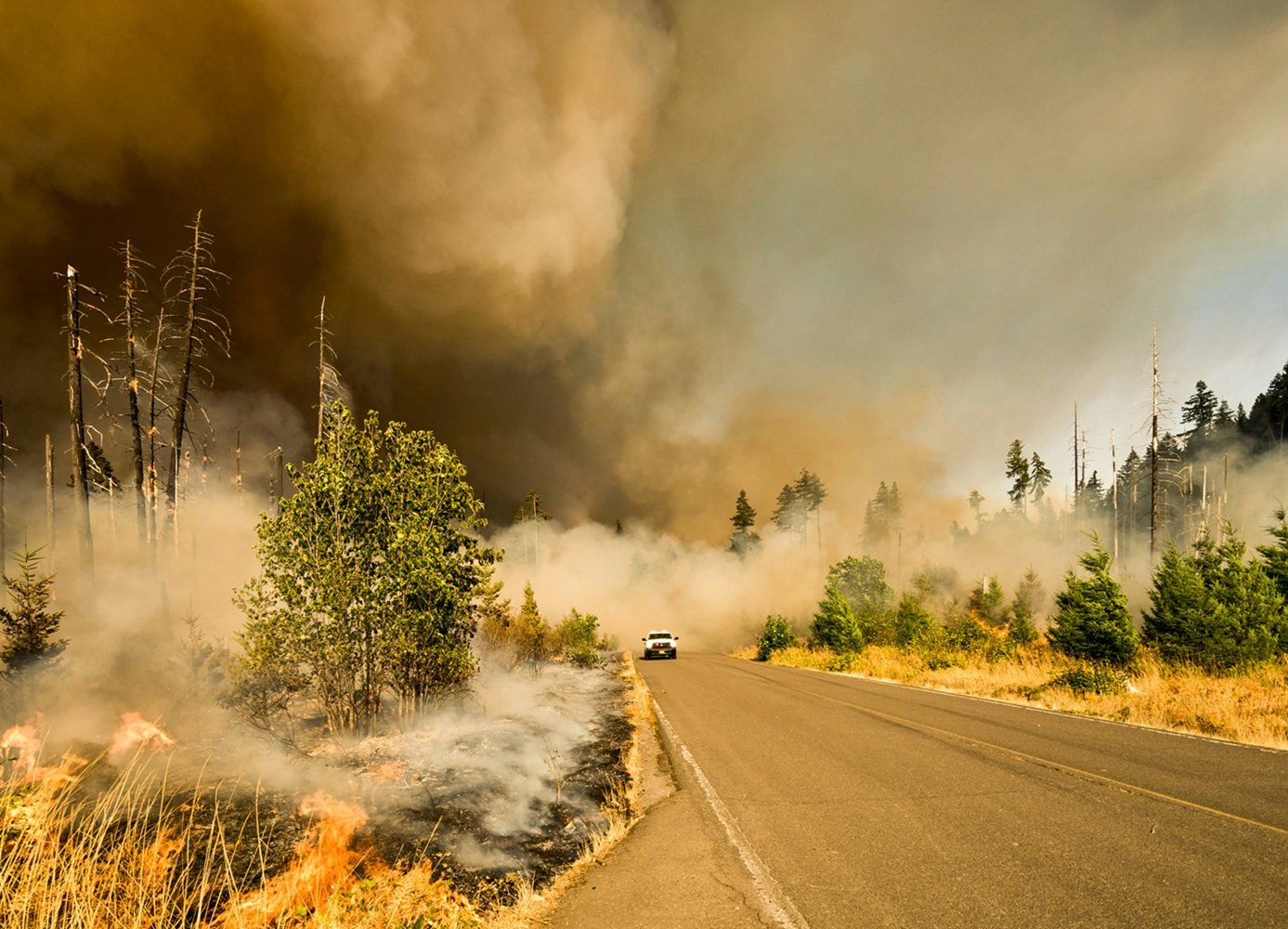
California emergency officials urged residents to prepare for wildfires and other emergencies before disasters occur during a statewide media briefing focused on wildfire preparedness, emergency communications, and community resilience.
American Community Media and California Black Media, in partnership with the California Governor’s Office of Emergency Services, held the briefing to discuss wildfire risks, emergency response efforts and the role of community media in delivering preparedness information to residents.
Matt Notley, deputy director of Crisis Communications and Public Affairs at Cal OES, said California was at the peak of wildfire season and that new fires were starting across the state. He said wildfires could quickly threaten communities, strain local resources and require coordinated responses among multiple agencies.
“Preparedness is power,” Notley said, emphasizing the importance of communicating clearly with residents before a fire starts.
Notley said Cal OES serves as a coordinating agency for California’s emergency response partners before, during, and after disasters. The agency oversees the California Fire and Rescue Mutual Aid System, which connects more than 1,000 local government fire agencies and provides access to more than 1,000 fire engines and other emergency vehicles.
When a wildfire exceeds the resources available in a local community, the mutual aid system allows firefighters, engines and other equipment to be moved between jurisdictions, Notley said. The system can expand a response from a local operation to a regional or statewide effort while allowing communities to retain enough resources to respond to other emergencies.
Cal OES also works to position resources ahead of fires when forecasts indicate dangerous weather conditions. Notley said the agency had approved 46 requests from counties in 2026 to pre-position firefighters, equipment and other resources before anticipated periods of dangerous fire weather.
In 2025, Cal OES provided about $61 million to support local agencies with pre-positioning efforts, according to Notley. The resources could include fire engines, water tenders, hand crews and dispatch personnel.
Notley said California had also been able to assist other states and countries during the 2026 fire season. Since July, the state had sent specialized personnel and equipment to 12 states, primarily in the Western United States, as well as to Colombia and Venezuela.
He said California was able to assist because its fire season had not required all available resources at the same time.
Technology has also become an important part of the state’s wildfire response, Notley said. Cal OES uses the Fire Integrated Real-Time Intelligence System, known as FIRIS, which uses specially equipped aircraft to map wildfires in real time.
The system can provide information to emergency responders within minutes, allowing them to monitor the direction of a fire, identify communities that could be threatened, and determine where evacuations or additional resources may be necessary.
Notley said FIRIS was available to support every county in California and had conducted 324 missions in 2026.
Despite advances in technology and emergency response capabilities, Notley said residents must receive and understand reliable information for those tools to be effective.
He highlighted the role of ethnic and independent media outlets in reaching residents who may not receive emergency information through traditional government or mainstream media channels.
“For many Californians, ethnic and independent media are the most trusted and accessible source of news,” Notley said.
He said community media outlets often provide information in languages spoken by residents at home and understand the cultural concerns and circumstances of the communities they serve.
During an emergency, Notley said, trust can help residents understand the severity of a threat, identify reliable information and take action quickly.
He said community journalists could help explain emergency terminology, direct residents to local alert systems, provide information about evacuation preparations and identify reliable sources for official updates.
Notley also said emergency preparedness information needed to account for residents who could face additional barriers during disasters, including people who speak English as a second language, older adults, people with disabilities, residents with limited transportation, lower-income households and people experiencing housing instability.
Those challenges can involve language, mobility, transportation, technology and access to trusted information, he said.
Notley said those needs should be considered during the development of emergency alerts, evacuation plans, transportation assistance, sheltering operations and public information campaigns.
He also encouraged community media organizations to provide feedback to emergency officials about the questions and concerns they hear from their audiences.
“Your reporting helps close the distance between an official alert and the person who needs to understand what it means for their family,” Notley said.
Diana Crofts-Pelayo, chief deputy director of communications for the California Governor’s Office, also emphasized the importance of preparing before an emergency.
Crofts-Pelayo said California’s experience with major wildfires, extreme heat, flooding and other disasters demonstrated that preparedness could not begin only after a disaster had occurred.
She cited the 2018 Camp Fire and subsequent wildfires as examples of emergencies that shaped the state’s approach to preparedness and public education.
Crofts-Pelayo said the state created Listos California, now also known as Ready California, to help residents prepare for emergencies through practical information, preparedness resources, and trusted community messengers.
“We know California is the most diverse state in the nation, and we’re a state where information doesn’t always travel through the same channels,” Crofts-Pelayo said.
She said residents may rely on people they already know and trust to understand emergency information, particularly during fast-moving disasters.
Crofts-Pelayo said community media had a role beyond reporting what happened after a disaster. She said outlets could help residents understand what actions to take, where to go, whom to contact and how to distinguish reliable information from misinformation.
The goal, she said, was to ensure Californians were not left without critical information because it was not provided in a language or format they understood.
Crofts-Pelayo also said emergency resilience was developed over time through efforts involving government agencies, community organizations, local neighborhoods, and individual families.
“Government can’t do this alone,” she said, emphasizing the need for continued cooperation between public agencies and community organizations.