



San Diego City Council Unanimously Approves 45-Day Moratorium on Data Center Development
Share your love
 -Editorial
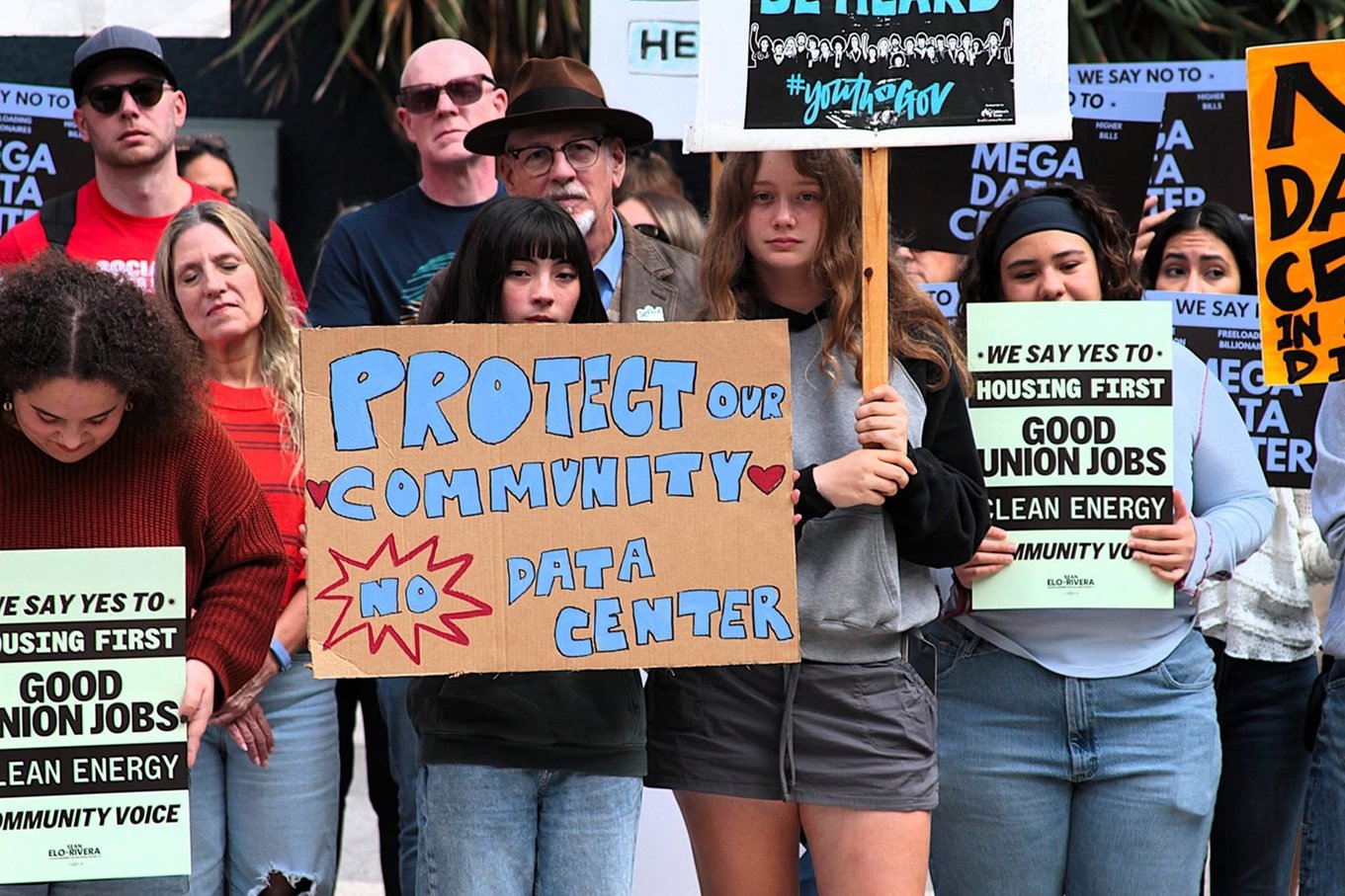
The San Diego City Council unanimously approved a 45-day temporary moratorium on new and expanding data centers during its Tuesday, Oct. 27, meeting, citing concerns about electricity consumption, water use, land development, and public infrastructure.
The emergency ordinance temporarily prohibits the permitting, approval, development, establishment, and expansion of data centers within city limits while officials evaluate potential regulations and the impacts of additional facilities.
Approved under Section 295 of the San Diego City Charter and California Government Code Section 65858, the moratorium applies citywide and may be extended through additional public proceedings. The council’s unanimous vote satisfied the eight-vote requirement for adopting the emergency ordinance.
San Diego Mayor Todd Gloria welcomed the decision, emphasizing the importance of balancing technological investment with community protections.
“I appreciate the City Council’s unanimous ratification of the temporary moratorium on data center development,” Gloria said. “This is a necessary and responsible step to make sure any development does not outpace our responsibility to protect San Diegans.”
Gloria acknowledged the economic benefits of data centers, including investment, innovation and employment, while raising concerns about their demands on local resources.
“Data centers can place significant demands on electricity, water, land and infrastructure,” Gloria said. “San Diego welcomes innovation, investment and the jobs that come with them. What we will not do is ask residents to absorb unnecessary costs or neighborhood impacts.”
San Diego City Councilmember Joe LaCava also expressed concerns about the potential effects of data center development on utility costs and public resources.
“Across the country, we are seeing data centers drain resources and push unaffordable utility costs even higher,” LaCava said in a statement.
LaCava said he joined Councilmember Sean Elo-Rivera, Assemblymember Chris Ward, Council President Pro Tem Kent Lee, labor representatives and environmental advocates in opposing a potential data center project in San Diego.
“We need thoughtful development that delivers housing, jobs, and clean energy, not unilateral deals that keep San Diegans from a seat at the table,” LaCava said.
Data centers support cloud computing, artificial intelligence, and digital storage but can require substantial electricity and cooling infrastructure. Some facilities also consume significant amounts of water, depending on their design and operations.
The council also considered a resolution finding the emergency ordinance exempt from the California Environmental Quality Act under provisions addressing actions intended to protect the environment or unlikely to cause significant environmental effects.
The moratorium does not permanently prohibit data centers. Instead, it provides city officials time to examine potential land-use regulations, infrastructure requirements, and community impacts before considering additional development.
“We can support innovation and protect San Diegans at the same time, and that is exactly what this moratorium allows us to do,” Gloria said. “This is the right decision for our city.”
San Diego’s decision follows similar regulatory discussions across California, including Imperial County, where local governments have considered moratoriums, zoning restrictions and other measures addressing data center development amid concerns about electricity demand, water consumption and infrastructure capacity.