


Voting Rules and ID Requirements Draw Attention Ahead of 2026 Midterms
Share your love
-Editorial
As millions of Americans prepare to vote in the 2026 midterm elections, changes in voter identification requirements, congressional maps and election procedures are drawing attention from voting-rights organizations that say some voters could face greater difficulty casting ballots.
The rules vary widely by state, making the effect on voters dependent largely on where they live. Thirty-eight states have some form of voter identification requirement, according to VoteRiders, a nonpartisan organization that assists voters with obtaining identification. Some states are also considering or implementing additional identification or proof-of-citizenship requirements.
Voting-rights advocates say the changes can have a disproportionate effect on low-income voters, people of color, older adults, students, and residents of rural communities who may have greater difficulty obtaining identification or the underlying documents needed to secure it.
Research cited by VoteRiders estimates that about 34.5 million voting-age U.S. citizens do not have a state-issued photo ID with current information. Separate research found about 21 million eligible voters do not have ready access to documents such as a birth certificate or passport that could be used to establish citizenship.
Monica Spencer, Georgia state director for VoteRiders, said her organization provides free assistance to eligible voters who need identification, including help obtaining birth certificates and other documents and, in some cases, transportation.
“The challenges are logistical, they’re financial, geographic,” Spencer said, describing the difficulties she encounters working with voters, particularly in rural Georgia.
Spencer said transportation can become a significant obstacle in areas without public transit, taxis or rideshare services. Voters can also encounter difficulties replacing lost documents, changing addresses or navigating state identification requirements, she said.
Georgia requires identification for in-person voting and places identification requirements on absentee voting. Spencer said changes to absentee ballot procedures, ballot drop boxes and other election rules have added to confusion among some voters.
The debate over voting access comes as participation in the 2024 presidential election remained relatively high. The U.S. Census Bureau reported that 154 million people, or 65.3% of the citizen voting-age population, voted in 2024. About 174 million people, or 73.6%, were registered. Census data also show differences in participation by race, Hispanic origin, age, education, and other demographic characteristics.
Another concern raised by voting-rights organizations involves congressional redistricting. Legal disputes over maps have continued ahead of the midterms, including litigation involving Missouri and other states. Supporters of challenged maps have defended them as lawful exercises of state authority, while opponents have argued in various cases that new boundaries improperly affect representation or voting power. Courts continue to consider some of those disputes.
John C. Yang, president and executive director of Asian Americans Advancing Justice-AAJC, said voters should verify election information with state and local officials because procedures can differ significantly by jurisdiction.
“There is a lot of fear and misinformation and disinformation going around in our community,” Yang said. He said providing accurate information about registration, mail voting and polling-place procedures will be particularly important ahead of the election.
Yang also addressed concerns circulating in immigrant communities about the possibility of U.S. Immigration and Customs Enforcement agents or other law enforcement officers appearing at polling places.
“At this point, they are just rumors,” Yang said, adding that organizations are nevertheless preparing poll monitors and voter-assistance resources.
Federal law protects voters against intimidation, threats and certain forms of discrimination. The Justice Department directs people experiencing threats or violence at polling places to contact local law enforcement and provides channels for reporting potential voting-rights violations.
Yang said Asian American organizations are also emphasizing language-access protections. Federal voting law provides language assistance in certain jurisdictions, and voters generally may bring someone to assist them at the polls, subject to restrictions on who may provide that assistance.
“Speaking English, reading or writing in English is not a requirement for participating in the election,” Yang said.
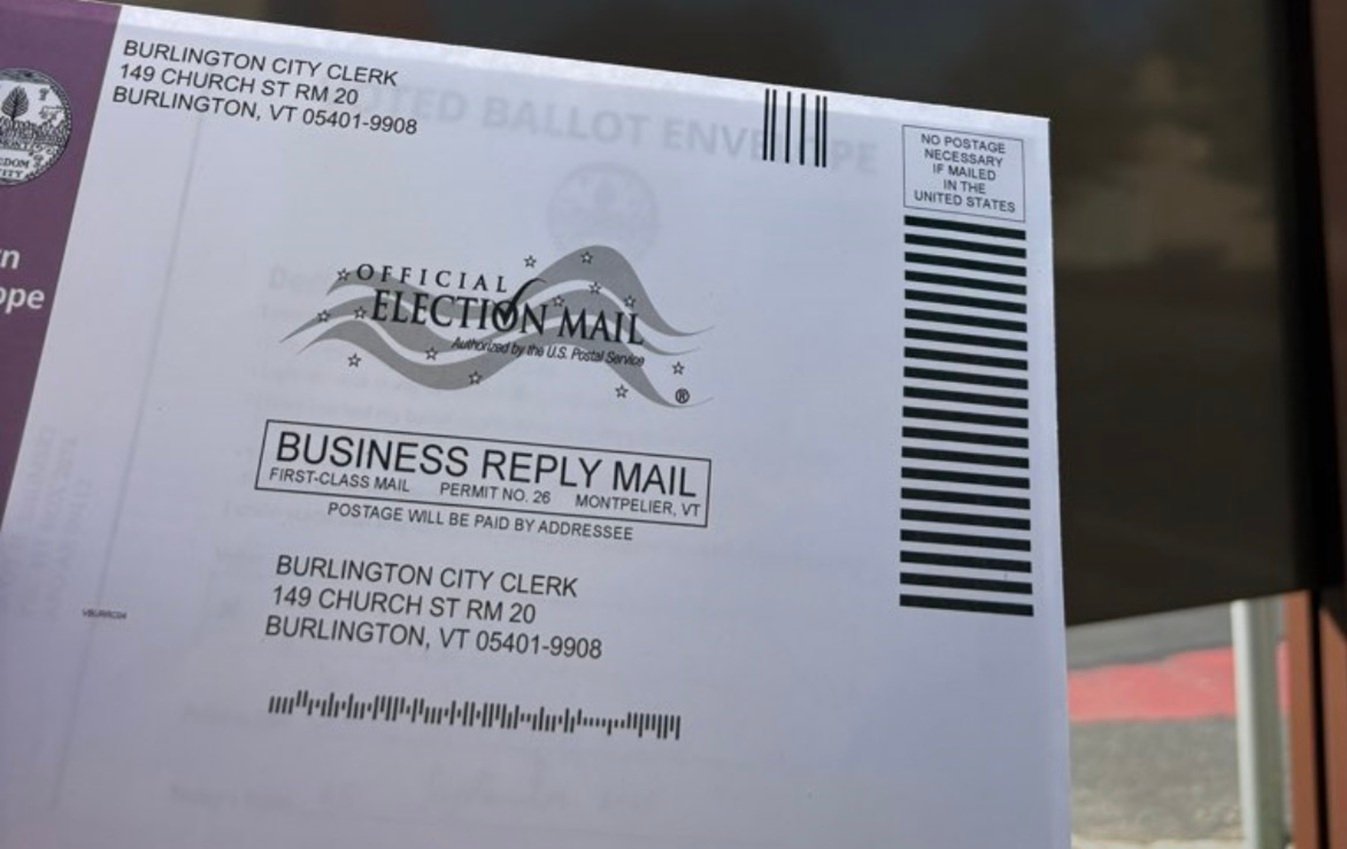
Mail voting has also received increased scrutiny this election cycle. The U.S. Supreme Court became involved in September in litigation over new U.S. Postal Service requirements affecting ballot mail. The dispute centers on the extent of federal authority over the handling of mail ballots and the potential effect of new requirements on state election systems.
Yang encouraged voters who plan to cast ballots by mail to check the rules and deadlines established by their state and local election authorities rather than relying on information circulating online.
“How you have voted in the past with respect to mail-in ballots should generally prevail,” Yang said, while cautioning that election procedures can change and should be verified locally.
For some voters, identification requirements remain the more immediate concern.
VoteRiders says more than half of Americans living in states that require photo identification for in-person voting are unaware of their state’s specific ID rules. The organization argues that the cost and difficulty of obtaining documents can discourage eligible voters from participating. Supporters of voter ID requirements, meanwhile, generally argue that identification rules provide an additional safeguard for election administration and public confidence.
California differs from many states because most voters are not required to present identification when voting. The state also automatically sends mail ballots to registered voters, although identification requirements can apply in limited circumstances, including to some first-time voters who did not previously verify their identity.
“Don’t let that fear, don’t let the misinformation dissuade you from voting,” Yang said. “This is your right.”
With election rules differing across the country, Yang said voters should make plans early, determine whether they intend to vote in person or by mail, and verify their registration and local requirements.