


Imperial County Proclaims September as Recovery and Suicide Prevention Month
Share your love
 -Editorial
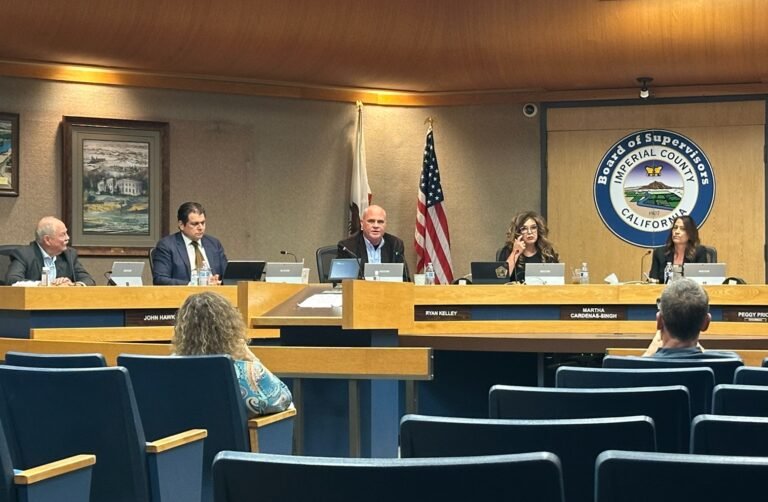
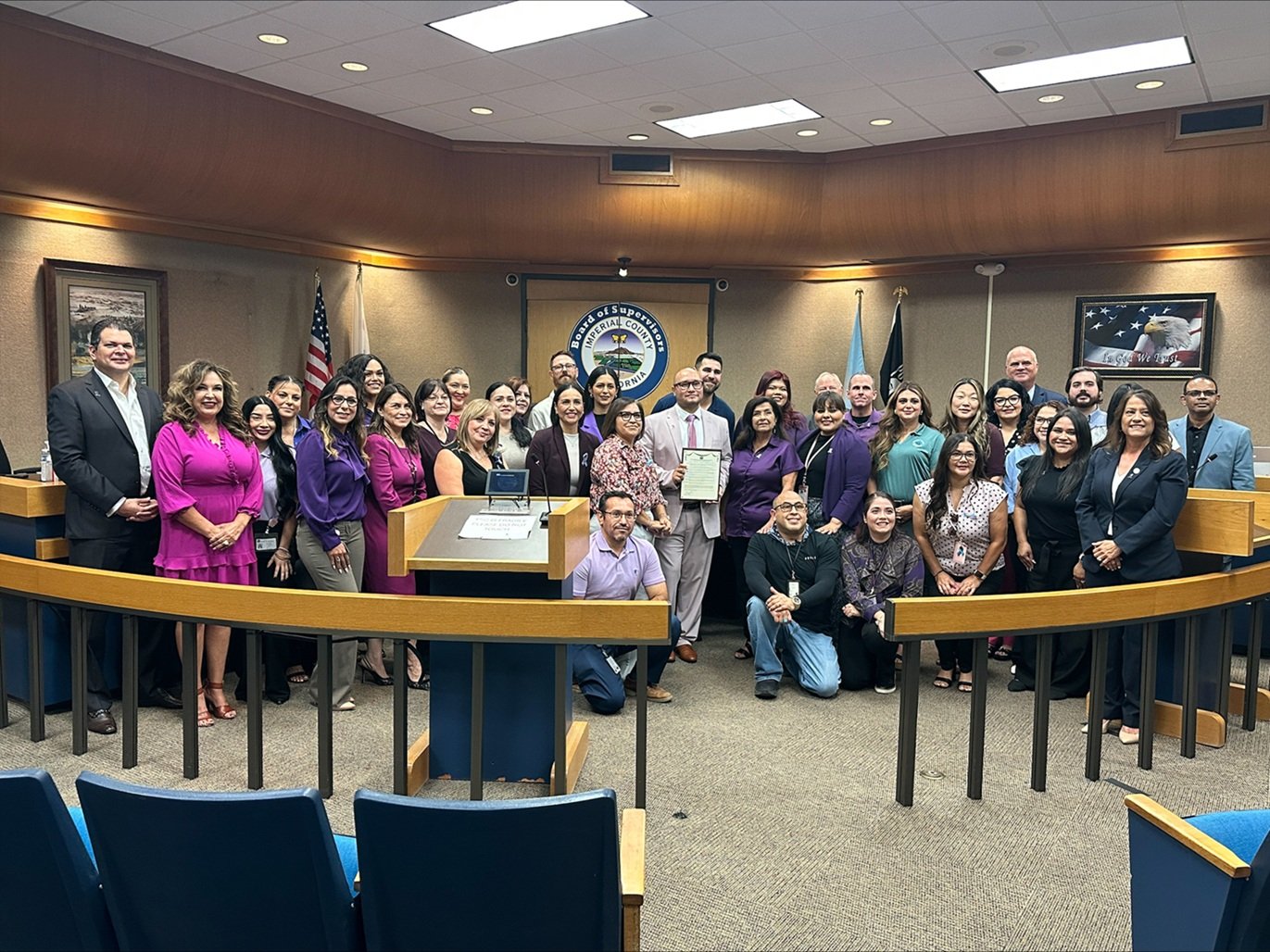
The Imperial County Board of Supervisors proclaimed September 2026 as National Recovery Month and National Suicide Prevention Month during its regular meeting, highlighting efforts to increase awareness, reduce stigma, and expand access to behavioral health and recovery services.
The proclamations recognize September as a time to promote recovery from substance use and mental health conditions and to encourage suicide prevention efforts throughout the county.
The 2026 National Recovery Month theme is “Recovery is for Everyone: Every Individual, Every Family, Every Community.” The proclamation states that recovery involves improving health and wellness, living self-directed lives, reaching one’s potential, and contributing to families and communities.
The county proclamation cited 69,147 drug overdose deaths in the United States in 2025 as an indication of the continuing need for prevention, treatment, and recovery support services.
It also recognized the role of families, peer support specialists, behavioral health professionals, health care providers, educators, faith-based organizations, and community groups in supporting people in recovery.
The suicide prevention proclamation recognizes September as National Suicide Prevention Month under the theme “Changing the Narrative on Suicide.” The initiative calls for replacing stigma, silence, and judgment surrounding suicide with compassion, understanding, hope, and connection.
According to the proclamation, 48,824 people died by suicide in the United States in 2024, citing data from the Centers for Disease Control and Prevention.
Gabriela Jimenez, assistant director with Imperial County Behavioral Health Services, said the county’s suicide prevention efforts focus on recognizing warning signs and encouraging people to seek help.
She said changes in behavior or personality can be warning signs, including withdrawing from activities a person previously enjoyed, appearing increasingly depressed or irritable, reacting differently to stress, or making comments suggesting they would be better off dead.
Other warning signs can include giving away possessions, saying goodbye to others, or withdrawing from family and friends.
Jimenez said family members should not ignore significant changes in a person’s behavior.
“It is very important to be there, to be present and provide support,” she said.
Jimenez also encouraged family members and friends to ask directly whether someone is experiencing suicidal thoughts or has a plan to harm themselves.
She said there can be hesitation to ask such questions because of concerns about the response, but having a direct conversation can help connect a person with support.
“The help is already there,” Jimenez said, adding that treatment and recovery are possible.
Jose Lepe, deputy director of Substance Use Disorder Programs for Imperial County Behavioral Health, said the department provides prevention and treatment services and works with schools, social services, probation and other organizations.
Lepe said the department’s approach considers both substance use and potential mental health concerns when people seek services.
Prevention programs also include presentations at schools about drugs, their effects, and available services. Lepe said the department uses evidence-based prevention programs, including “Too Good for Drugs,” which provides lessons for students.
The county also works with organizations outside Imperial County when residents require residential substance use treatment, Lepe said.
A new residential treatment center is planned for Imperial County in 2027, he said. The facility is expected to have about 16 beds and would provide treatment closer to where residents live.
Lepe said the project has been in development since 2024 and is supported by approximately $17 million in state funding for the infrastructure.
He also identified fentanyl and methamphetamine among the substances of concern in the county, noting the risk of overdose associated with fentanyl.
Dr. Sudhaker Ravada, psychiatrist, said suicide-related crises can affect people across different age groups and circumstances.
At the county’s crisis center, staff see children as young as 6 to 8 years old as well as older adults, he said. Ravada said crises can occur in homes, schools, colleges, workplaces, hospitals and other settings.
Ravada said one challenge is that people may not always know how to communicate difficult emotions.
He described an incident involving a teenager who texted a friend that he was feeling suicidal following a breakup. Ravada said the teenager did not ultimately have an intent to die but was struggling to express emotional pain.
Ravada said communities should place greater emphasis on mental health and emotional well-being, including learning how to process and express emotions such as anger and distress.
He also said residents may not be aware of behavioral health resources already available through the county.
Ravada said the department’s outpatient services include walk-in access during designated hours and that residents do not necessarily need to wait for a scheduled appointment to seek assistance.
He also emphasized the availability of crisis services outside regular business hours.
Ravada said county crisis support teams can respond to people in their location when they are experiencing a behavioral health crisis, rather than requiring them to travel to a hospital.
María Rodríguez Ruiz, deputy director of the Crisis and Psychiatric Emergency Department, said suicide is a serious concern in Imperial County and emphasized the importance of educating the community about warning signs and available services.
She said the county has seen an increase in suicidal thoughts and crises among adolescents in recent years. Before 2020, she estimated that about 80% to 90% of people accessing the department’s services were adults, while adolescents accounted for about 5% to 10%. She said the proportion is now closer to 50% adults and 50% adolescents among cases involving suicidal thoughts. Rodríguez Ruiz attributed the change to several factors, including social isolation, reduced interpersonal interaction and the influence of social media.
She also noted that bullying can extend beyond schools through social media, allowing incidents to reach a much larger audience and potentially increasing their impact on young people.
The Board of Supervisors’ suicide prevention proclamation states that strong relationships, social connectedness, access to behavioral health care and supportive communities can serve as protective factors.
The proclamation encourages residents, schools, businesses, community organizations, and other groups to promote open conversations about mental health, strengthen connections, and help people access available resources.