



Baja California Marks International Whale Shark Day with Conservation Focus
Share your love
 -Editorial
Baja California officials marked International Whale Shark Day on Aug. 30 by highlighting conservation efforts and regulations governing whale shark tourism in the state.
Miguel Ángel Badiola Montaño, Baja California’s tourism secretary, said protecting whale sharks and their natural habitats is a shared responsibility between authorities, local communities and visitors.
International Whale Shark Day was established in 2008 following the second International Whale Shark Conference, which brought together representatives from more than 40 countries. The observance is held annually on Aug. 30 to promote awareness of the species, its habitat, and its migratory patterns.
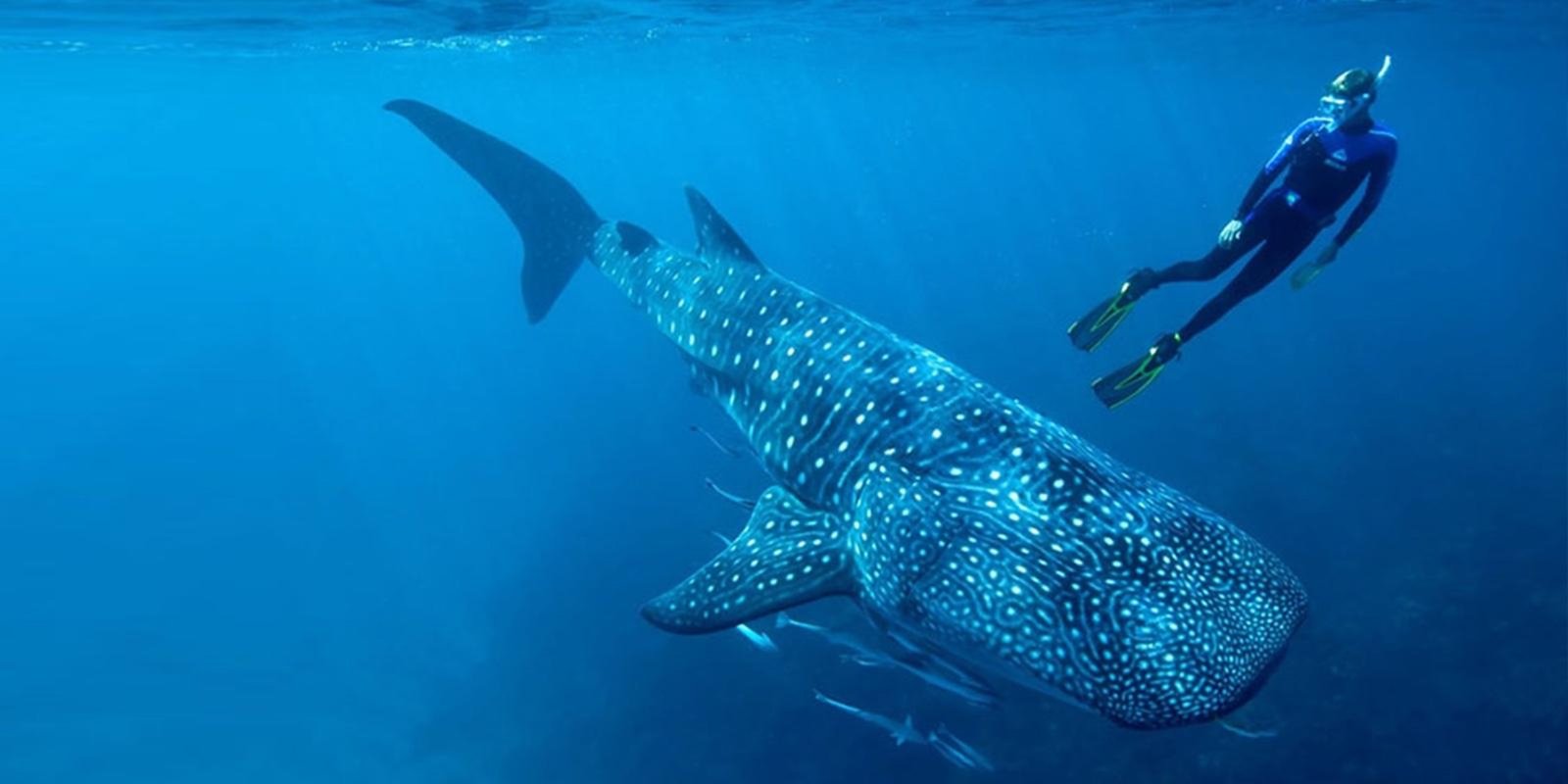
The whale shark, or Rhincodon typus, is the world’s largest fish and migrates through tropical and temperate waters in various parts of the world. The species can be found in countries including Australia, Honduras, New Zealand, Belize, the Philippines, and Tanzania, as well as Mexico.
In Baja California, whale sharks are found in areas with abundant plankton, including Bahía de los Ángeles. The species is listed as at risk under Mexico’s NOM-059-SEMARNAT-2010 environmental standard.
The state Tourism Secretariat said it is working with the Federal Attorney for Environmental Protection, known as PROFEPA; the National Commission of Natural Protected Areas, or CONANP; and the Mexican Navy, or SEMAR, to promote regulated tourism activities focused on protecting the species and its habitat.
The authorized season for non-extractive whale shark activities in Baja California runs from June 1 through Dec. 15. During that period, visitors can participate in whale shark observation and, under certain conditions, swimming activities in the Reserva de la Biosfera Zona Marina Bahía de los Ángeles, Canales de Ballenas y de Salsipuedes.
The Tourism Secretariat said visitors should use only authorized tourism service providers with documentation issued by the General Directorate of Wildlife, or DGVS.
Swimming with whale sharks is permitted only when more than five animals are present in an aggregation, according to the state.
Under the operating rules, no more than four swimmers may enter the water per whale shark, and swimmers must remain with an authorized guide.
Participants must maintain a minimum distance of 2 meters from the whale shark’s head and sides and 3 meters from its tail.
Touching, riding, or interfering with whale sharks, as well as altering their natural behavior or movement, is prohibited. The use of kayaks and other paddle-powered vessels is also prohibited during the activity.
Authorities also discourage the use of artificial lighting in the water, selfie sticks, and sunscreens that do not meet biodegradability criteria.
Badiola Montaño urged visitors to follow the regulations and respect the animals and their habitat while participating in whale shark tourism.
“When we talk about shared well-being, we must also consider every species that inhabits Baja California, whether temporarily or permanently,” Badiola Montaño said. “Preserving them is preserving the future of our state.”
The Tourism Secretariat said the regulations are intended to support an orderly tourism activity while reducing potential impacts on whale sharks and their natural environment.