


IID Responds to Final Environmental Review for Post-2026 Colorado River Operations
Share your love
 -Editorial
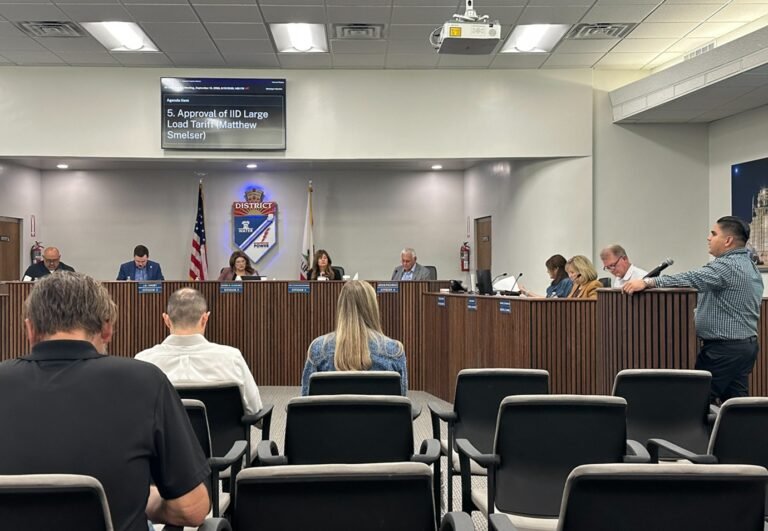
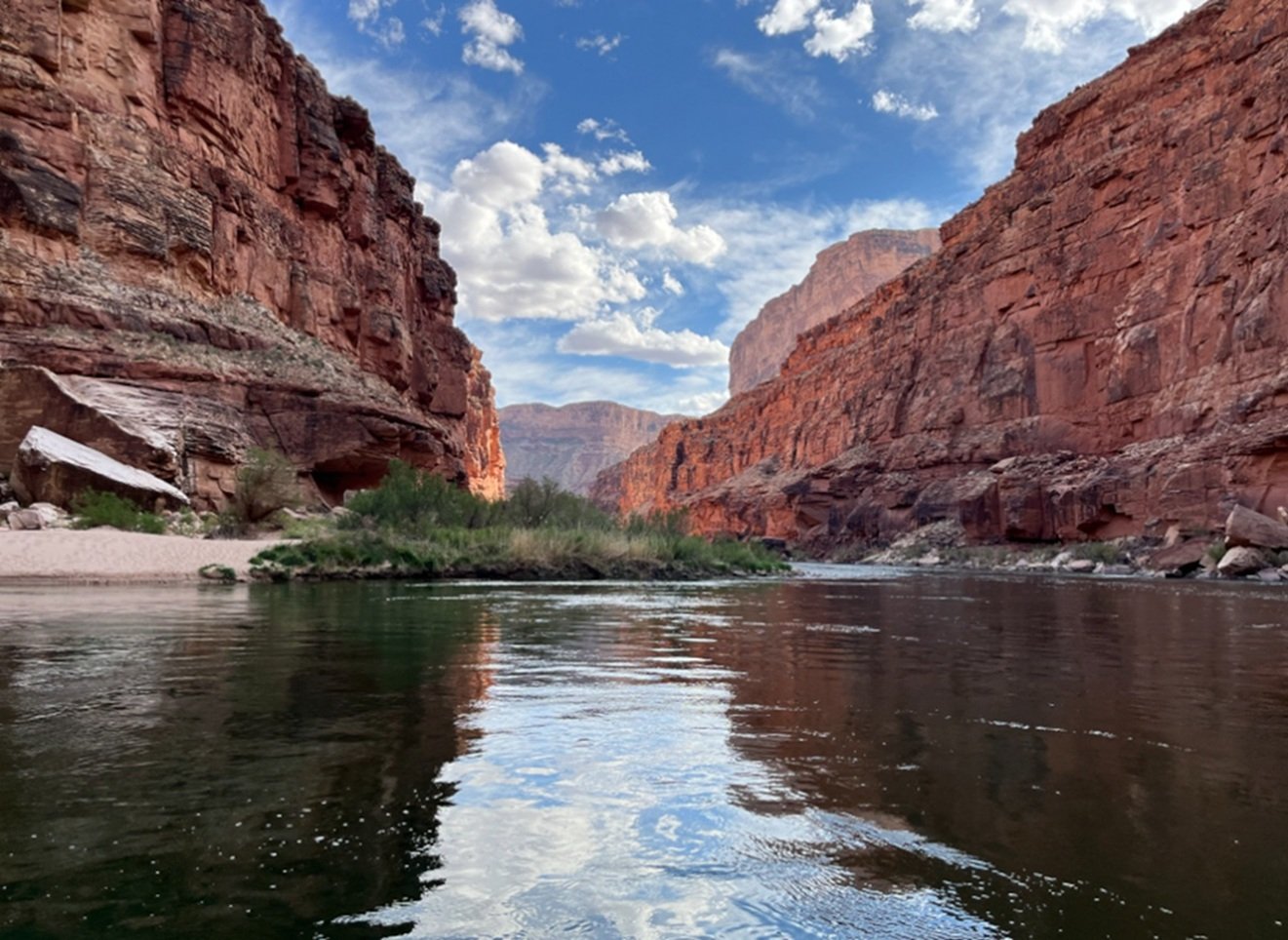
The Imperial Irrigation District responded to the U.S. Department of the Interior’s release of its Final Environmental Impact Statement for post-2026 Colorado River operations, saying the document establishes a 10-year management framework while leaving specific operating decisions to future planning.
According to IID, the final environmental review does not set operating parameters. Those decisions will be outlined through two-year operating plans, beginning with the 2027-2028 plan expected in the coming days.
IID said the framework provides that Lower Basin shortages would be addressed through agreements among the basin states or, if no agreement is reached, under the existing Law of the River.
“Protecting the Imperial Valley and the Colorado River, our only water supply, is IID’s top priority during this process,” said IID Board Chairwoman Karin Eugenio. “The Final EIS recognizes that changes to how shortages are shared must come through voluntary agreements.”
The district said it is now focused on the 2027-2028 operating plan and referenced the Lower Basin proposal submitted May 1. The proposal calls for annual reductions of 1.25 million acre-feet across California, Arizona and Nevada, along with 700,000 to 1 million acre-feet in system conservation, while seeking a balanced distribution of risk between Lake Powell and Lake Mead.
“A reasonable release from Lake Powell is essential to preventing Lake Mead from bearing a disproportionate share of the system’s decline,” said IID General Manager Jamie Asbury.
IID also said the Colorado River should continue to be managed as a connected system, with reservoirs in both the Upper and Lower basins contributing to long-term stability. The district called for measurable contributions from the Upper Basin as federal officials finalize operating plans for 2027 and 2028.
The district highlighted its conservation efforts, stating that since 2003 it has conserved more than 9.2 million acre-feet of Colorado River water through agricultural efficiency improvements, system upgrades and voluntary agreements. IID said its most recent commitment includes up to an additional 100,000 acre-feet in 2026, bringing its conservation contributions over the past four years to an expected 900,000 acre-feet.
Eugenio said Imperial Valley farmers have participated in voluntary conservation programs for decades while maintaining agricultural production. She added that IID remains willing to participate in future conservation efforts if senior water rights are protected, agreements are equitable and participation remains voluntary.
IID also reiterated its support for voluntary, compensated conservation programs and said any future participation beyond existing authorized programs would require additional environmental review, consultation with growers and approval by the IID Board of Directors.
The district said it will continue working with the Department of the Interior, the Bureau of Reclamation and other Colorado River Basin partners as the 2027-2028 operating plans are developed.