



Experts Examine GLP-1 Medications’ Long-Term Impact and Access
Share your love
-Editorial
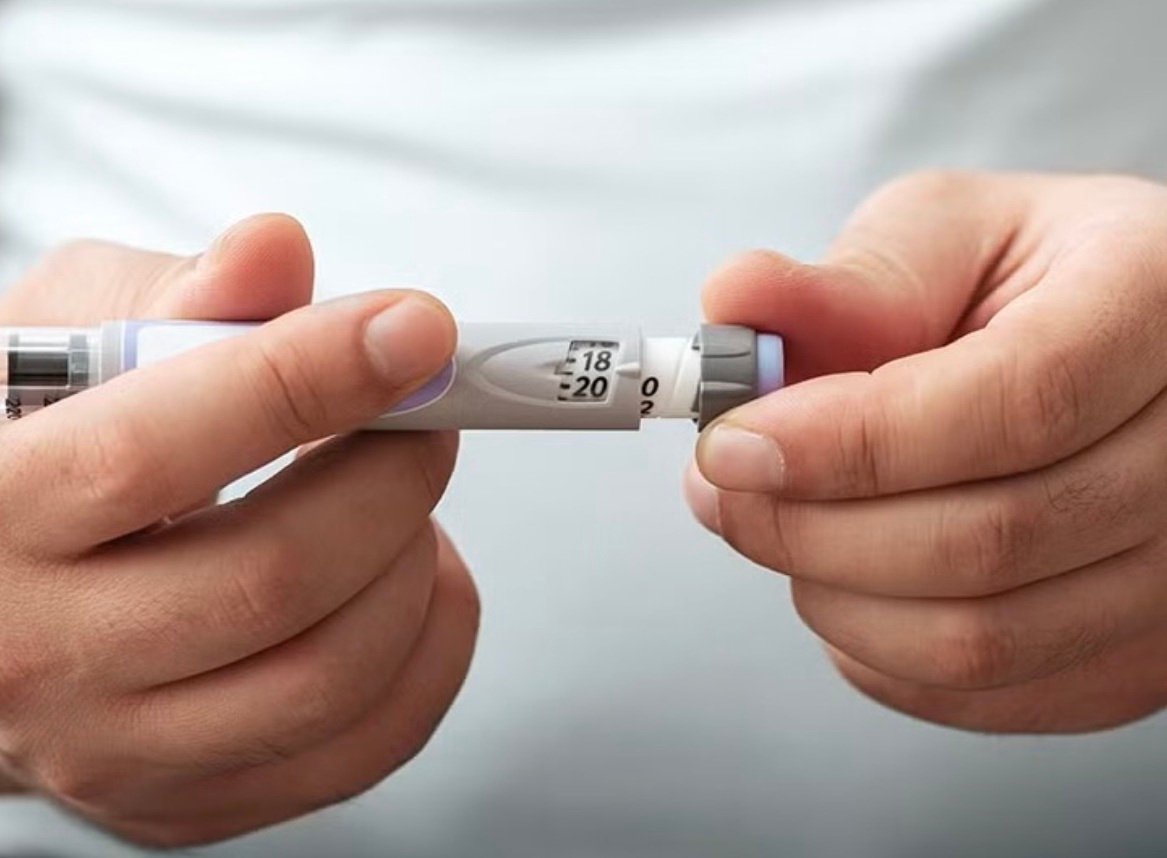
The rapid growth in the use of GLP-1 medications, including Ozempic, Wegovy, Mounjaro and Zepbound, is reshaping the treatment of obesity and Type 2 diabetes while raising new questions about their long-term effects, access and affordability, medical experts said during a briefing hosted by American Community Media.
According to organizers, an estimated 29 million U.S. adults are using a GLP-1 medication, while prescriptions for children and adolescents have increased significantly in recent years. Researchers say the medications have transformed obesity treatment but are also prompting questions about how long patients should remain on the drugs, what happens when treatment ends, and whether long-term use could affect developing bodies, muscle mass, or bone health.
Dr. Jena Shaw Tronieri, senior research investigator at the Center for Weight and Eating Disorders in the Department of Psychiatry at the Perelman School of Medicine at the University of Pennsylvania, said GLP-1 medications work differently than diet and exercise alone by reducing biological signals that drive hunger and food cravings.
“As a psychologist, part of my research focuses on why these GLP-1 medications improve weight loss versus diet and exercise alone,” Tronieri said. “They help reduce hunger and make food less appealing when someone is not physically hungry.”
Tronieri said many patients describe experiencing less “food noise,” a term used to describe persistent thoughts about eating. Patients often report naturally eating smaller portions and snacking less frequently without constantly monitoring calories.
She highlighted findings from a recently published clinical study involving participants who received semaglutide, marketed as Wegovy for obesity and Ozempic for Type 2 diabetes, or a placebo while also participating in monthly lifestyle counseling over 60 weeks.
Researchers found that during the first 20 weeks, participants taking semaglutide reported significantly greater reductions in hunger and food-related thoughts than those receiving the placebo. However, by weeks 40 and 60, those self-reported differences had largely disappeared, even though participants taking semaglutide continued consuming fewer calories than the placebo group.
According to Tronieri, participants taking semaglutide consistently consumed about 240 to 290 fewer calories during monitored meals and lost an average of approximately 34 pounds after 60 weeks, while those in the placebo group experienced more modest weight loss.
She said the findings suggest the medication continues helping patients reduce food intake even after weight loss slows and hunger begins returning.
Tronieri noted that obesity medications are generally intended for long-term treatment, similar to medications used to manage other chronic conditions.
Real-world data, she said, indicate that between one-half and two-thirds of patients discontinue GLP-1 medications within the first year, with discontinuation occurring more frequently among patients using the drugs for weight loss than for diabetes.
“When patients stop taking the medication, about two-thirds of the weight they lost is typically regained during the first year,” she said, adding that patients who remain on treatment generally maintain their weight loss for several years.
She said physicians may help patients by explaining that some increase in hunger and slowing of weight loss are expected over time and do not necessarily mean the medication has stopped working.
During a question-and-answer session, Tronieri addressed concerns about side effects after one participant described a friend who experienced health problems while taking Ozempic.
She said gastrointestinal symptoms, including nausea, vomiting, constipation and diarrhea, remain the most common side effects, although patients with diabetes may also face certain retinal complications. She emphasized that individual responses vary and treatment decisions should be based on each patient’s medical circumstances.
Asked whether healthy individuals should use GLP-1 medications primarily for cosmetic weight loss, Tronieri said the medications are intended to improve health and quality of life for people with obesity or obesity-related health risks.
“There is nothing wrong with having a larger body size, and body weight alone is not an indicator of health status,” she said.
She also said dietary changes generally produce greater weight-loss results than exercise alone, although regular physical activity remains important for maintaining muscle mass and improving overall health.
Dr. Fatima Cody Stanford, associate professor of medicine and pediatrics at Harvard Medical School, described obesity as a chronic disease influenced by biology, genetics, hormones, environmental factors and social conditions rather than personal willpower.
“Obesity is a disease of energy regulation,” Stanford said. “It is not a failure of willpower.”
Stanford said multiple factors—including genetics, chronic stress, food insecurity, neighborhood conditions, healthcare access and socioeconomic conditions—contribute to obesity risk. She argued that historical inequities have contributed to disparities in obesity rates, particularly among Black women, through generations of economic and healthcare inequalities.
Stanford also discussed the federal Medicare GLP-1 Bridge Program, which began July 1 and is designed to improve access to certain GLP-1 medications for eligible Medicare beneficiaries whose prescription drug plans do not already provide coverage.
Under the program, eligible patients generally must meet body mass index requirements and obtain prior authorization from their physicians before receiving coverage. Stanford said the program lowers monthly medication costs for qualifying patients but warned that administrative requirements and uneven access to healthcare providers could continue creating barriers for underserved communities.
She also noted that Medicaid participation in the program varies by state, potentially leading to differences in access depending on where patients live.