



Data Center Developer Files Lawsuit Against Imperial Irrigation District Over Water Service Denial
Share your love
-Editorial
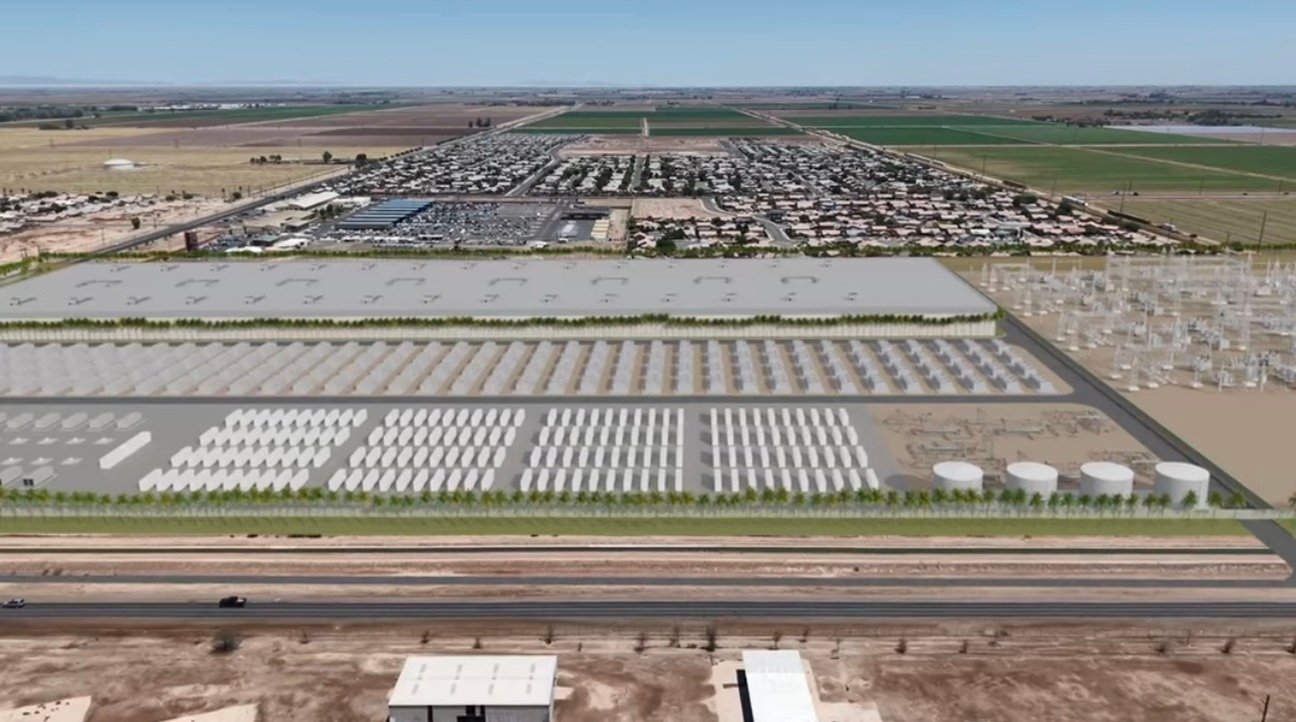
The developer of a proposed 330-megawatt data center in Imperial County has filed a lawsuit against the Imperial Irrigation District, alleging the agency unlawfully denied a water service application and imposed policies that unfairly restrict industrial development within the district.
The lawsuit, filed June 5 in Imperial County Superior Court, was brought by Imperial Valley Computer Manufacturing LLC, a California company led by developer and attorney Sebastian Rucci. The petition seeks a writ of mandate and declaratory relief against IID, asking the court to overturn the district’s May 1 denial of water service for the project and to invalidate several district policies governing industrial water users.
The proposed data center would be located near Aten and Clark roads in unincorporated Imperial County on a 75-acre site that the company says is industrially zoned. According to court documents, the facility would require approximately 880 acre-feet of water annually for cooling operations.
In its filing, the company argues that IID is legally obligated to provide water service to landowners within its service area on equitable and nondiscriminatory terms and contends the district improperly relied on one of its regulations to deny the application.
The lawsuit marks the latest development in a broader dispute surrounding the proposed data center, which has generated significant public debate over water resources, electricity demand, environmental impacts, and economic development opportunities in Imperial County.
According to the petition, Imperial Valley Computer Manufacturing initially sought to secure reclaimed wastewater from the cities of Imperial and El Centro to cool the data center.
The company alleges it negotiated arrangements under which it would pay for upgrades to wastewater treatment facilities, purchase reclaimed water from both cities, and direct excess treated water to the Salton Sea. However, the filing states those discussions ended in late 2025 after both cities withdrew from the proposed arrangements.
The petition notes that the City of Imperial later filed a legal challenge to Imperial County’s environmental review and approval process for the project, while the City of El Centro also discontinued discussions regarding reclaimed water supplies.
After those efforts failed, the company turned to IID as a water provider and submitted an application for industrial water service on April 22, 2026.
The filing states the company proposed to offset most of the project’s water demand by fallowing a contiguous 160-acre agricultural parcel under its control. According to the petition, the farm historically received approximately 804 acre-feet of water annually, an amount the company contends could largely offset the data center’s projected water use.
The company argues that following the farmland would result in little or no net increase in overall water demand from IID’s Colorado River allocation.
IID denied the application on May 1.
According to the lawsuit, the district cited Regulation 21, a provision that limits certain new water service installations in areas where municipal or private potable water service is reasonably available.
The district’s denial letter, as described in the petition, stated the project site is within the City of Imperial’s sphere of influence and near areas generally served by the city’s treated water system. IID advised the developer that the city could seek additional water through the district’s Adaptive Water Supply Policy if municipal service were needed for the project.
The company argues that IID improperly applied Regulation 21 because the project seeks untreated raw water for industrial cooling rather than potable municipal water.
The lawsuit further contends the project is located in unincorporated Imperial County, where IID is the primary water provider, and argues that the City of Imperial has no obligation to serve the site.
According to the filing, the city had already rejected previous proposals to provide reclaimed water and remains opposed to the project.
The lawsuit contains eight causes of action challenging IID’s denial and several district policies governing water distribution and industrial development.
Among the claims, the company argues that Regulation 21 was incorrectly interpreted and should not apply to industrial cooling water requests.
The petition also alleges IID failed to recognize existing water service rights associated with parcels controlled by the developer. According to the filing, portions of the project site either currently receive IID water service or have maintained eligibility through payment of water availability charges.
The company additionally argues that IID improperly denied access to its Equitable Distribution Plan clearinghouse, a system used by water users to transfer water allocations within the district.
Another major component of the lawsuit concerns the district’s Adaptive Water Supply Policy, or AWSP, adopted in December 2025. The policy established procedures and fees for new industrial and non-agricultural water users seeking service from IID.
The company contends the policy imposes burdens on industrial users that do not apply to agricultural users, including additional review processes, water supply agreements, board approvals, and fees.
The petition argues that agricultural customers can generally obtain service through administrative procedures, while industrial projects face more extensive requirements that may take months or years to complete.
The lawsuit also challenges IID restrictions governing water transfers between different categories of users.
The company contends California law allows landowners to assign water allocations for use elsewhere within the district regardless of whether the recipient is agricultural, municipal, or industrial.
According to the filing, IID’s policies improperly restrict direct transfers between different classes of water users.
The petition further argues that IID allows agricultural producers to move water among fields under farm unit designations but does not provide a similar mechanism for industrial users seeking to transfer water associated with land under common ownership.
The company claims that denying such flexibility to industrial projects violates state law and a 2020 California Court of Appeals decision involving IID known as Abatti v. Imperial Irrigation District, which addressed equitable treatment among water users.
The lawsuit also alleges IID improperly rejected the developer’s proposal to fallow agricultural land and transfer the resulting conserved water to the data center.
According to the filing, California Water Code provisions governing water conservation and transfers authorize such arrangements and should permit the proposed use.
Another significant portion of the lawsuit focuses on fees established under the Adaptive Water Supply Policy.
The company alleges IID adopted the fee structure without conducting a cost-of-service study and argues the charges violate Proposition 218, the California constitutional amendment governing property-related fees and assessments.
According to the petition, agricultural water users pay substantially lower rates for untreated Colorado River water than those imposed on new industrial applicants under the AWSP.
The lawsuit contends the district cannot justify the disparity because the water is delivered through the same infrastructure system.
The company seeks a court order invalidating reservation fees and water supply development fees established under the policy and prohibiting IID from imposing those charges on the project.
The petition also cites public statements made by some IID directors regarding the proposed data center.
The filing references public comments, opinion articles, social media posts, and public meeting statements by directors expressing concerns about data center development, water use, electric reliability, and potential impacts on local communities.
According to the lawsuit, those statements demonstrate opposition to the project before the district acted on the company’s water application.
The petition alleges that public positions taken by certain directors influenced the district’s handling of the project and contributed to the denial of service.
The company is asking the court to issue a writ directing IID to reconsider or reverse its denial and to recognize what it describes as existing rights to water service associated with project parcels.
The lawsuit also seeks declarations that several IID regulations, transfer restrictions, and industrial water policies are invalid or conflict with California law.
In addition, the company is requesting orders requiring IID to recognize its ability to participate in water transfer programs, utilize conserved water generated through agricultural fallowing, and receive treatment comparable to that afforded to agricultural water users. The filing further seeks attorneys’ fees and court costs.