


CBP Announces New Restrictions on Bicycles, E-Bikes, and Scooters at Calexico Ports of Entry
Share your love
 -Editorial
U.S. Customs and Border Protection has announced a new safety policy affecting bicycles, electric bicycles, scooters, electric scooters, and other personal transportation devices at the Calexico Ports of Entry, with implementation set for June 15, 2026.
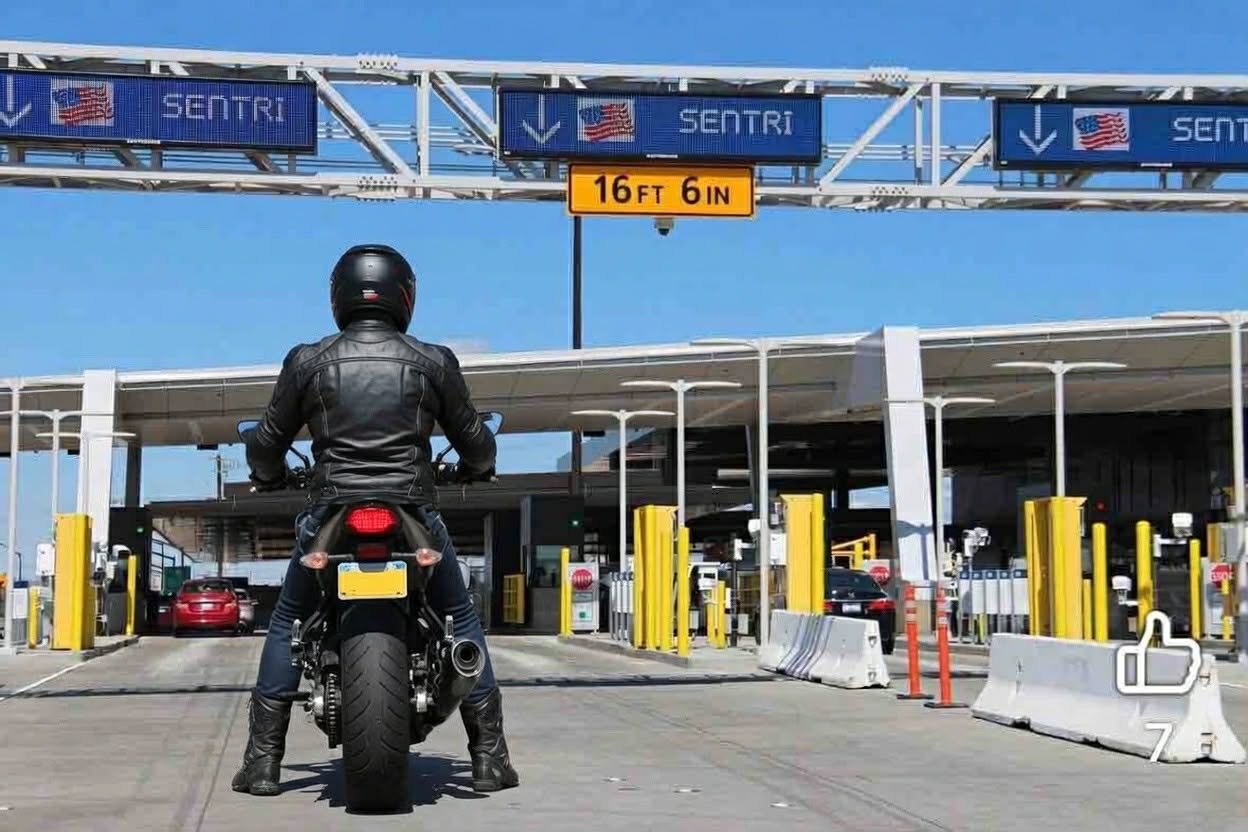
Under the revised procedure, personal transportation devices that are not authorized for use on public roadways will no longer be permitted to enter the United States through vehicle inspection lanes at the Calexico West and Calexico East crossings. Officials said the change applies broadly to non-road-legal mobility devices used by pedestrians and cross-border commuters who have historically crossed through mixed-use or vehicle-adjacent inspection areas.
CBP officials said the policy is intended to enhance safety conditions within the ports of entry, where high volumes of pedestrian and vehicular traffic converge in narrow inspection environments. The agency said the presence of bicycles, e-bikes, and scooters in vehicle lanes has contributed to operational challenges, including limited maneuvering space for officers and increased risk of collisions between pedestrians, cyclists, and vehicles under inspection.
According to CBP, the updated procedure is also aimed at standardizing how different types of travelers are processed, separating pedestrian and vehicle traffic more clearly to reduce congestion and improve overall efficiency during peak crossing hours.
Under the new rules, travelers who arrive at the ports of entry using bicycles, e-bikes, or scooters will still be allowed to enter the United States, but they must do so through designated pedestrian processing areas. In those lanes, individuals will be required to dismount and proceed through standard pedestrian screening and inspection procedures before continuing into the United States.
CBP said the change is not intended to restrict cross-border movement but to redirect specific types of traffic into lanes designed for pedestrian safety and screening. Officials emphasized that pedestrian infrastructure at the Calexico ports is equipped to handle high volumes of foot traffic and is the appropriate processing area for individuals using personal mobility devices.
The agency is advising travelers who regularly cross the border using bicycles or scooters to adjust their routines ahead of the implementation date. CBP also urged commuters to allow additional travel time, particularly during peak morning and evening hours when wait times at the ports of entry tend to increase.
In preparation for the change, CBP recommended that travelers familiarize themselves with updated crossing procedures and monitor wait times before arriving at the border. Current wait time information is available through CBP’s Border Wait Times system, which is accessible online and through a mobile application.
The Calexico ports of entry are among the busiest land border crossings in the Imperial Valley, handling thousands of daily crossings between California and Baja California. Local commuters frequently use bicycles and scooters due to the proximity between residential, commercial, and employment centers on both sides of the border.
CBP officials said additional information will be shared through official agency channels, including updates from the San Diego Field Office on social media platforms. The agency encouraged travelers to follow those channels for operational updates and real-time announcements as the implementation date approaches.