


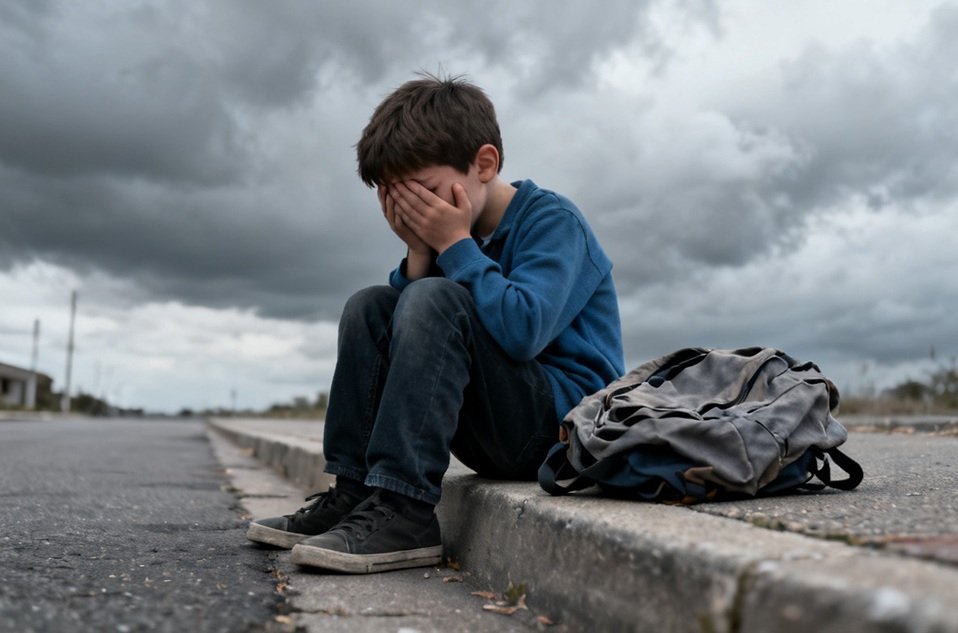

Mexico Faces Child Bullying: An Urgent Challenge for Children’s Mental Health
Share your love
 -Editorial
Despite advances in prevention, bullying remains an ongoing problem in Mexico. According to recent OECD studies, the country continues to rank among the highest worldwide in cases of school bullying, a situation that in 2026 still raises concern due to its effects on children and adolescents.
Dr. Daniela Díaz Flores, coordinator of the Bachelor’s Degree in Child Psychology at CETYS University Mexicali Campus, explained that bullying affects not only the victim, but also the aggressor and those who witness it without intervening. “Everyone becomes part of the problem when no action is taken,” she said.
One of the key factors, she noted, is the lack of supervision and support from adults, both at home and in school settings. She explained that normalized behaviors such as teasing or harsh jokes can escalate into forms of violence that harm the dignity and well-being of minors. This is compounded by the impact of the digital environment, where harassment extends to social media, leading to so-called cyberbullying, which can be constant and without time limits.
Among the main warning signs, Dr. Díaz highlighted behavioral changes such as isolation, loss of interest in activities, sleep or eating disturbances, poor academic performance, and signs of anxiety or sadness. In more severe cases, self-harm or physical effects resulting from prolonged stress may occur.
She also noted that bullying directly impacts self-esteem, mental health, and emotional development. Children and adolescents may experience anxiety, depression, difficulty forming social relationships, and a constant sense of alertness, which limits their overall development.
Given this context, the specialist emphasized the importance of early intervention. Listening without judgment, providing support, and seeking professional help are essential actions in addressing these cases. She added that intervention should be comprehensive, involving the victim, the aggressor, and their surrounding environment.
From a prevention standpoint, strengthening socio-emotional skills such as empathy, assertive communication, tolerance, and setting boundaries is key. “Even if there is no specific case, it is essential to work on prevention and mental health. This means teaching how to manage emotions, promoting respect and tolerance. It’s about giving children and adolescents the tools to recognize risky situations, set boundaries, and turn to a trusted adult,” said the CETYS expert.
Finally, she stressed that ensuring children’s emotional well-being is a shared responsibility among families, schools, and society. “Beyond academics or material needs, it is essential to care for their mental health, because it determines both their present and future development,” she concluded.