



Economic Analysis of the Exchange Rate and Oil Prices Amid the 2026 Middle East Conflict
Share your love
 By: Dr. Alejandro Diaz-Bautista, Economist and Research Professor (PhD).
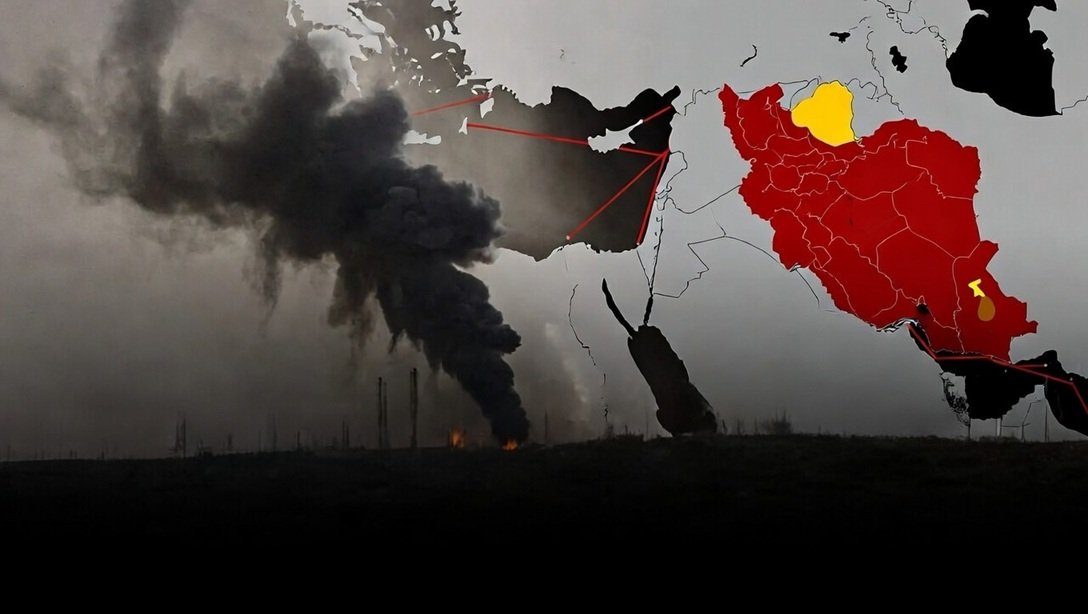
The prolongation of a regional conflict in the Middle East for more than a month—particularly if it involves the closure or partial disruption of the Strait of Hormuz—would generate significant pressure on both the Mexican peso exchange rate and international oil prices in 2026.
Recent evidence shows that even initial shocks have already triggered immediate increases in crude oil and gasoline prices, as well as heightened global financial tensions.
The Strait of Hormuz is one of the most critical routes for global oil trade. A prolonged disruption would create an immediate supply shock, as a substantial portion of the crude exported by Gulf countries would be unable to reach global markets. Recent evidence indicates that oil prices react almost instantly to any threat to this route, with increases ranging between 6% and 9% in a single day.
OPEC countries could attempt to offset part of the shock by increasing production quotas, as has occurred during recent episodes. However, their capacity to compensate is limited if the central issue is logistical disruption rather than production capacity.
Strategic reserves held by consuming countries could be temporarily released, but their effect would likely be short-lived. Meanwhile, oil futures markets would incorporate higher risk premiums, reflecting the possibility of additional disruptions.
The Mexican peso is an emerging-market currency that is highly sensitive to global risk. During periods of geopolitical tension, investors tend to seek refuge in safe-haven assets such as the U.S. dollar, leading to abrupt depreciations of the peso. This pattern has already been observed recently, with a daily depreciation of 3.2% linked to the Middle East conflict.
 If the conflict lasts more than a month and spreads regionally, the peso is likely to continue depreciating, depending on the magnitude of the oil shock and overall global market sentiment.
The Bank of Mexico would face additional pressure, as a global oil shock tends to increase imported inflation—particularly in gasoline, transportation, and food—potentially delaying interest rate cuts or even forcing the central bank to maintain a more restrictive monetary stance.
In previous geopolitical crises—such as the Gulf War, tensions with Iran, and attacks on oil infrastructure—emerging-market currencies have experienced sustained depreciation while oil prices remained elevated. The key difference today is that Mexico is no longer a net oil exporter. As a result, higher crude prices no longer provide the fiscal benefits they once did, but instead increase the cost of fuel imports.
Dr. Alejandro Díaz-Bautista is a Research Professor of International Economics at El Colegio de la Frontera Norte (El Colef) and a distinguished member of Mexico’s National System of Researchers. He has also served as a professor at Universidad Iberoamericana and CISE, a fellow and guest scholar at UC San Diego, and a visiting professor at UC Irvine.