


Police Killings Hit Indigenous Communities Near Reservations
Share your love
 -Editorial
Indigenous people in the United States experience disproportionately high rates of fatal encounters with law enforcement, particularly on and near reservations, according to a new study covering 2013 to 2024. Researchers found that 73% of Indigenous deaths by police occurred on reservations or within 10 miles, despite only 39 to 51% of the Indigenous population living in those areas.
Researchers at Drexel University’s Dornsife School of Public Health and the University of Washington published their study in the Proceedings of the National Academy of Sciences.
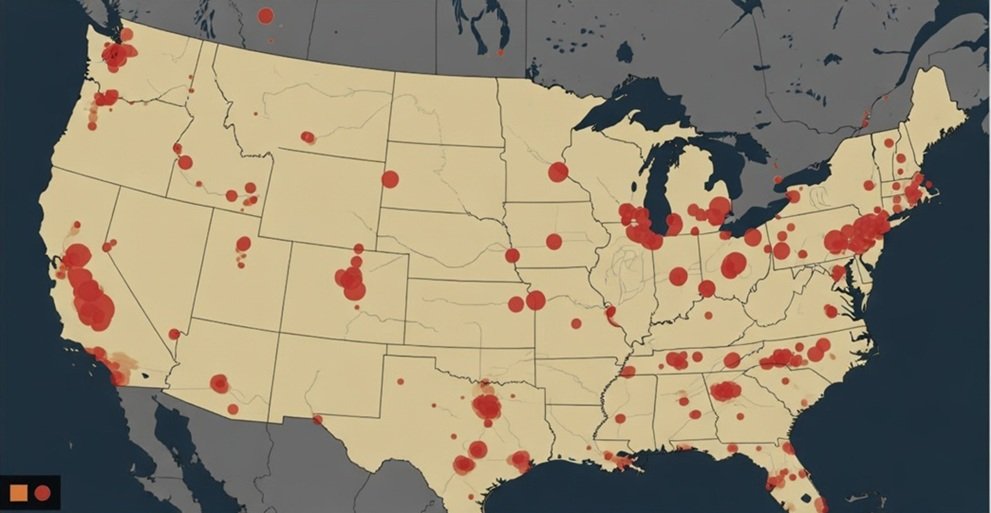
The study, drawing from the Mapping Police Violence database, analyzed 203 deaths of Indigenous people, most of them men, with an average age of 33. Deaths were concentrated in Western states, though the pattern held nationally. On reservations, federal, state, and tribal law enforcement were responsible for the majority of deaths, while municipal and county officers were more often involved in borderland areas and locations farther from reservations. In nearly 20% of lethal encounters near reservations, police did not report a reason for the stop, compared with 11% in areas farther away.
Researchers say these disparities are linked to structural and historical factors. Reservations often involve overlapping law enforcement jurisdictions, with federal, state, county, municipal, and tribal agencies operating simultaneously but with limited coordination. Chronic underfunding of health, education, and emergency services, along with persistent economic and social inequities, may increase interactions with police and raise the likelihood that encounters become fatal.
“The risk is concentrated in areas where Indigenous communities face persistent structural disadvantages,” the study states. Sensitivity analyses indicate these disparities cannot be explained by racial misclassification in reporting.
The researchers estimate that one in 1,800 Native American men could die from fatal police encounters if current trends continue, making police violence a major population-level cause of premature death in these communities. The study also notes long-term public health impacts, including trauma, stress, and physiological effects that may extend across generations.
Historical governance arrangements appear to play a role in shaping these outcomes. Overlapping jurisdiction and policing practices at reservation borders have been documented as disproportionately targeting Indigenous communities, with residents reporting racial profiling, surveillance, and restricted autonomy. These practices reflect patterns researchers describe as legacies of settler colonial governance.
The study highlights policy approaches that prioritize Indigenous-led alternatives to traditional policing. Programs cited include the Aneth Community Court, Tulalip Tribal Court Healing to Wellness initiatives, and Canadian examples such as Bear Clan Patrols. These programs focus on restorative justice, community-based safety, and culturally informed interventions, reducing reliance on police for social, mental health, or substance-use crises.
Traditional approaches, such as body cameras or implicit bias training, show limited evidence for reducing racial disparities in fatal police encounters and may not address unique geographic and structural dynamics near reservations. Researchers recommend interventions that strengthen Indigenous sovereignty and community-based safety programs as a potentially more effective way to reduce police contact and fatalities.
The study also emphasizes the need for further research on the social, psychological, and health effects of fatal police violence on Indigenous populations. Evidence from other communities shows that exposure to police violence contributes to chronic stress, grief, and adverse maternal and perinatal health outcomes. Researchers say similar impacts are likely in Indigenous communities but remain undermeasured.
These findings echo long-standing concerns raised by Indigenous activists. Advocates say that deaths near reservations reflect systemic inequities shaped by historical policies, underinvestment, and overlapping law enforcement authority. They argue for public health approaches that combine structural reforms, increased investment in social and health services, and Indigenous-led community programs to reduce the risk of fatal encounters.