


California Attorney General Joins Coalition Challenging IRS Policy on Wind and Solar Tax Credits
Share your love
 -Editorial
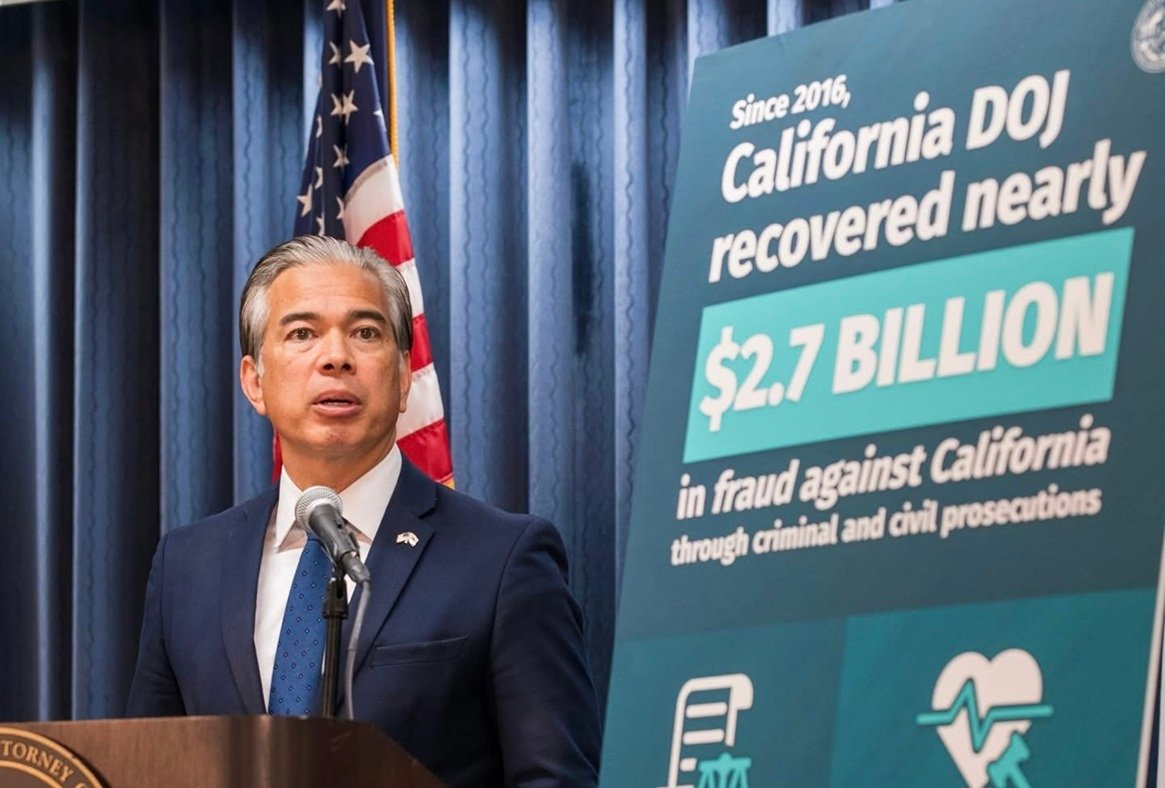
California Attorney General Rob Bonta has joined a coalition of 17 state attorneys general in filing an amicus brief in the U.S. District Court for the District of Columbia opposing an Internal Revenue Service notice that limits eligibility for certain wind and solar tax credits.
Notice 2025-42, issued by the IRS in August 2025, narrows the criteria for when wind and solar projects are considered to have begun construction, a key threshold for qualifying for federal tax incentives. Previously, a safe harbor provision allowed developers to qualify for credits by incurring at least 5% of total project costs by July 4, 2026. Under the new notice, that threshold is no longer sufficient.
The coalition of attorneys general, which includes officials from Oregon, Arizona, Colorado, Connecticut, Delaware, Illinois, Maine, Maryland, Massachusetts, Michigan, Minnesota, New Mexico, New Jersey, Rhode Island, Washington, and the District of Columbia, argues that the notice could slow or halt renewable energy projects, reduce the supply of clean energy, and raise costs for electricity consumers.
In the brief, the coalition states that the IRS policy is arbitrary and capricious and lacks a reasonable justification for discouraging wind and solar development. The attorneys general say the notice could also harm prior economic investments, impede planning for affordable and reliable energy, and worsen environmental and public health outcomes associated with fossil fuel use.
“The energy demand is increasing, and we should be expanding clean energy projects, not slowing them down,” Bonta said in a statement. “This policy could decrease the supply of clean energy and clean energy jobs, while increasing costs for consumers. It’s bad tax policy and illegal. We urge the court to vacate this action, which could harm communities and ratepayers nationwide.”
The Clean Electricity Production Tax Credit and the Clean Electricity Investment Tax Credit, established under the 2022 Inflation Reduction Act, were designed to support all types of zero-emission electricity facilities. These credits were projected to save consumers $16 billion to $34 billion in annual electricity costs by 2035, reduce air pollutants by 20%, and cut 300 million to 400 million tons of greenhouse gas emissions compared to a scenario without tax credits.
In July 2025, the One Big Beautiful Bill Act phased out the credits for wind and solar facilities placed in service after December 31, 2027, with an exception for projects beginning construction by July 4, 2026. The IRS notice effectively tightened the definition of “beginning construction,” creating uncertainty for developers and potentially leading to project delays, higher costs, or cancellations.
In December 2025, a coalition of non-governmental organizations, industry participants, and public entities filed a complaint against the IRS, alleging that the notice violates the Administrative Procedure Act.
Bonta has previously challenged federal policies he says limit renewable energy development. Last week, he filed a lawsuit against the Trump administration over reductions in funding for clean energy and infrastructure programs, including the $1.2 billion ARCHES clean hydrogen initiative. He also filed an amicus brief opposing separate federal efforts to restrict wind and solar energy projects, and last year, he celebrated a court ruling that invalidated the administration’s attempt to halt certain wind energy development.
The current legal challenge highlights ongoing debate over federal policy, renewable energy incentives, and strategies for meeting growing electricity demand amid the expansion of data centers, cloud services, and artificial intelligence applications nationwide.