


Federal Reserve Raises Key Interest Rate by Quarter Point as Inflation Remains Elevated
Share your love
-Editorial
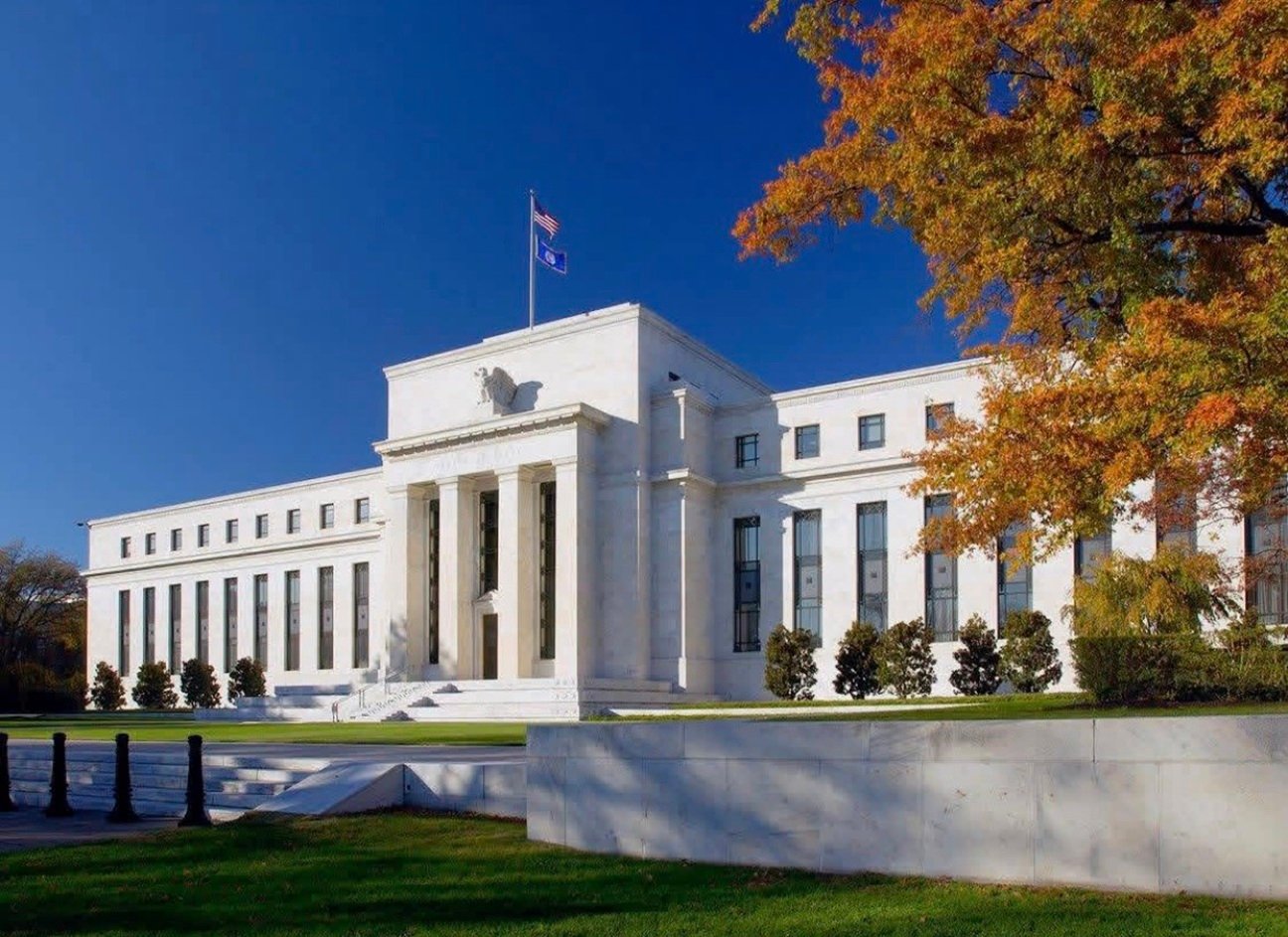
The Federal Reserve raised its benchmark interest rate by a quarter percentage point on Sept. 16, citing elevated inflation while describing U.S. economic activity and domestic spending as resilient.
The Federal Open Market Committee voted unanimously to increase the target range for the federal funds rate to 3.75% to 4%. The 12-0 decision marked an increase from the previous range of 3.5% to 3.75%.
The federal funds rate influences borrowing costs throughout the economy, including rates associated with consumer and business credit.
Federal Reserve representatives said the increase was intended to support the central bank’s goal of returning inflation to 2%. The Fed said inflation remains elevated and that the latest policy action is intended to accelerate progress toward price stability.
At the same time, the central bank offered a generally positive assessment of economic activity. The Fed said the economy is expanding at a solid pace, domestic spending has remained resilient, and capital investment is robust. Officials also cited strong productivity growth.
The labor market has remained relatively stable, according to the Fed. Job gains have kept pace with growth in the workforce, while the unemployment rate has changed little.
The Fed acknowledged that uncertainty surrounding the economic outlook remains elevated, attributing some of that uncertainty to geopolitical developments.
As part of its implementation decision, the Federal Reserve Board unanimously approved increasing the interest rate paid on reserve balances to 3.9%, effective Thursday. The primary credit rate, commonly associated with the Fed’s discount window, will also increase by a quarter percentage point to 4%.
The Fed said it will continue maintaining ample reserves in the banking system as it carries out monetary policy.
The Federal Open Market Committee is scheduled to hold its next policy meeting Oct. 27-28, followed by its final scheduled meeting of the year Dec. 8-9.
The Federal Reserve has navigated a dramatic decade of monetary policy, shifting its benchmark interest rate from a range of 0.25% to 0.50% in early 2016 to 3.75% to 4.00% today, representing a net increase of 3.50 percentage points. Following a gradual post-Great Recession normalization and a brief mid-cycle easing in 2019, the central bank slashed rates back to emergency levels of zero to 0.25% in March 2020 to cushion the economic fallout of the COVID-19 pandemic.
However, persistent post-pandemic inflation forced policymakers to execute their steepest rate-hiking campaign in four decades between March 2022 and July 2023, raising the federal funds rate target by 5.25 percentage points to a peak of 5.25% to 5.50%. While subsequent cuts through late 2025 provided temporary relief, ongoing inflationary pressures led officials to issue a quarter-point rate increase at their September meeting, solidifying borrowing costs well above pre-pandemic norms.