



The Economic Importance of Mexican Avocados in the United States in 2026
Share your love
 By Dr. Alejandro Díaz-Bautista, Economist and Researcher (PhD)
In 2026, Mexican avocados represent one of the most strategic agricultural and food products in the economic relationship between Mexico and the United States, both because of their commercial value and their ability to connect cross-border production, logistics, and distribution chains. Their importance must be understood within the growing U.S. dependence on imports of fruits and vegetables.
The avocado trade represents a highly specialized form of economic integration, in which Mexico’s agroclimatic advantages complement U.S. demand and help offset domestic production limitations during certain times of the year.
From the perspective of U.S. consumers and the American market, the economic value of Mexican avocados is driven by demand that has evolved from occasional consumption into a staple product in both diets and the food industry.
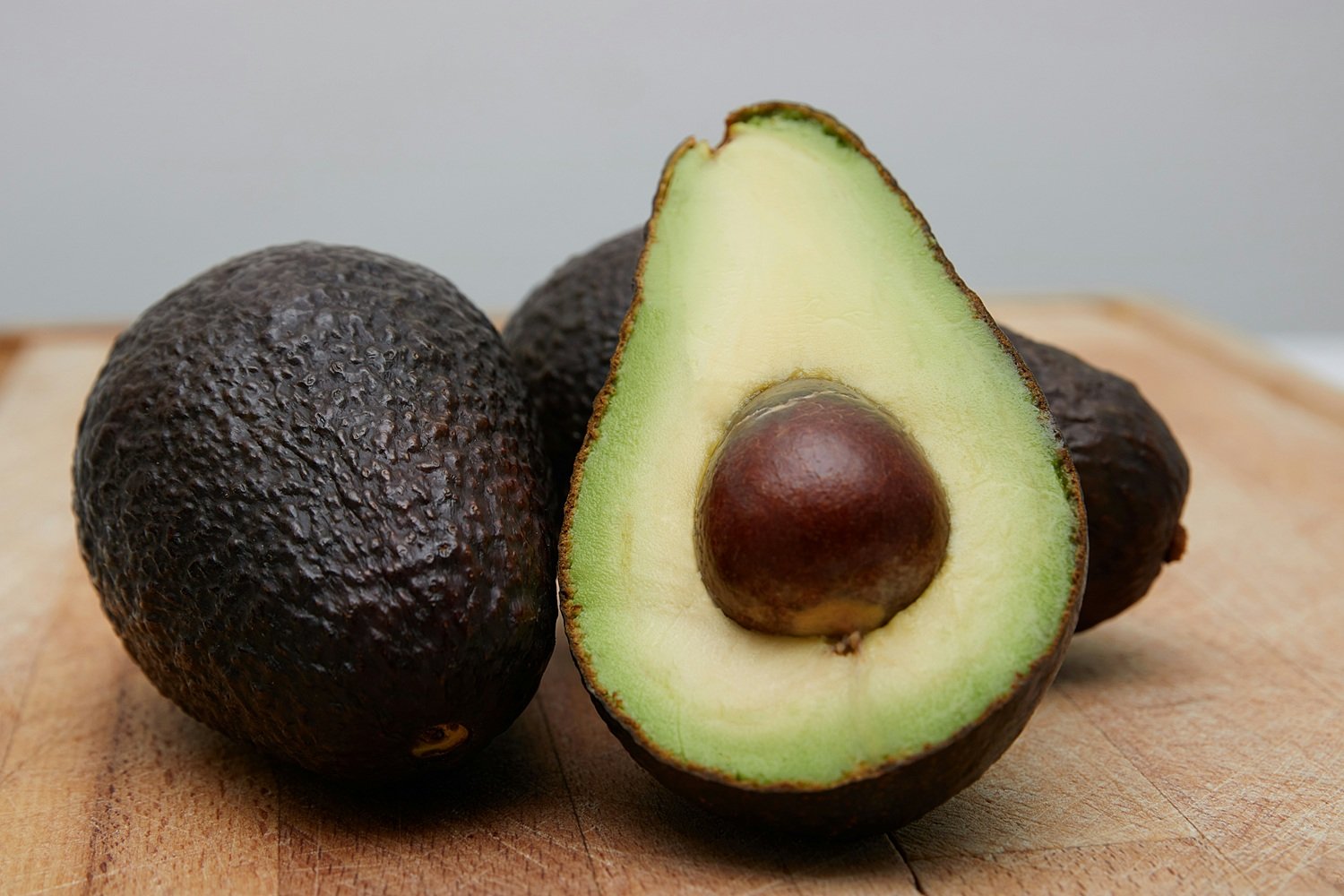
The Hass avocado, which dominates bilateral trade, has characteristics that favor its international commercialization, particularly its post-harvest durability, consumer acceptance, and ability to withstand relatively long supply chains. The USDA notes that the Hass variety dominates Mexico’s commercial production precisely because of its durability and strong consumer preference.
U.S. demand also has a particularly significant seasonal component. Mexican shipments increase during the fall and winter, when U.S. production faces greater limitations, and reach especially high levels during major high-consumption events such as the Super Bowl.
The relatively continuous availability of Mexican avocados helps stabilize supply, while the size of the U.S. market provides incentives for continued investment in orchards, packing facilities, refrigerated transportation, marketing, and distribution.
 The economic importance therefore extends far beyond the income received by Mexican producers. It also encompasses importers, wholesalers, supermarkets, restaurants, guacamole manufacturers, processed-food companies, logistics operators, and workers throughout the supply chain.
From an economic perspective, this reflects a pattern of international specialization in which Mexico concentrates a substantial share of primary production, while the United States plays a major role in importation, distribution, marketing, and consumption.
This structure generates efficiency gains through specialization and enables the U.S. market to maintain access to a highly demanded product throughout the year.
The importance of Mexican avocados should also be analyzed from the perspective of trade policy and North American economic integration.
The United States-Mexico-Canada Agreement (USMCA), which entered into force in July 2020, maintains a preferential market-access framework that supports agricultural trade and continues the liberalization previously achieved under NAFTA.
The USDA notes that the USMCA maintains market-access provisions for fruits and vegetables, while the Office of the United States Trade Representative identifies the agreement as one of the pillars of North American regional trade.
Dr. Alejandro Díaz-Bautista is a Research Professor of International Economics at El Colegio de la Frontera Norte (El Colef) and a distinguished member of Mexico’s National System of Researchers (Sistema Nacional de Investigadoras e Investigadores). He has also taught at Universidad Iberoamericana and CISE, served as a fellow and guest scholar at UC San Diego, and was a visiting professor at UC Irvine.