


Regenerative Performance Enhancement for Businesspeople
Share your love
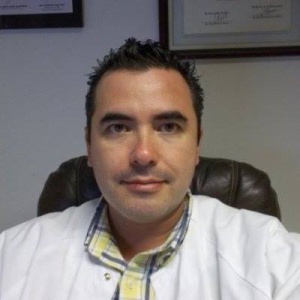 By: Dr. Elton Gomez, Specialist in Regenerative Medicine.
Today’s business leaders and entrepreneurs face demanding professional environments that require sustained energy, mental clarity, resilience, and the ability to perform under constant pressure. Long working hours, stress, inadequate recovery, and lifestyle factors can negatively impact metabolic health, cognitive function, immune response, and overall well-being.
A regenerative medicine protocol for business professionals is designed as a comprehensive, personalized approach that integrates advanced medical evaluations, regenerative therapies, nutritional optimization, physical conditioning, and stress management strategies. The objective is to support optimal health, promote healthy aging, enhance quality of life, and help individuals achieve their highest potential while maintaining long-term wellness.
This approach must always be personalized and conducted under the supervision of qualified healthcare professionals, as each person has unique biological characteristics, medical history, and health goals.
Initial Medical Evaluation: Understanding Individual Health Needs
The foundation of any regenerative protocol begins with a comprehensive evaluation to identify areas requiring attention and establish a personalized treatment strategy.
Medical History Assessment
A detailed review of medical, family, occupational, and lifestyle history helps identify risk factors, previous conditions, current challenges, and opportunities for improving health outcomes.
Important factors may include:
- Previous medical conditions and treatments.
- Family history of chronic diseases.
- Stress levels and occupational demands.
- Sleep quality and recovery patterns.
- Nutritional habits and physical activity levels.
Biomarker and Functional Evaluation
Advanced laboratory testing can provide valuable information about the body’s current state and help guide individualized interventions.
Evaluations may include:
- Blood, urine, and other biological analyses.
- Hormonal balance assessment.
- Inflammatory markers.
- Lipid and metabolic profiles.
- Nutritional deficiencies.
- Other relevant indicators associated with aging, performance, and overall health.
These evaluations establish a baseline to create targeted strategies and monitor progress over time.
Medical and Regenerative Interventions
Hormonal Optimization
Hormones play an essential role in energy levels, muscle maintenance, metabolism, mood, and overall vitality. Hormonal therapies should only be considered after comprehensive evaluation and continuous medical monitoring.
Testosterone Therapy
Testosterone levels naturally change with age and lifestyle factors. When clinically indicated, hormone optimization may help support:
- Muscle strength and maintenance.
- Energy levels.
- Metabolic function.
- Overall vitality.
Human Growth Hormone (HGH) Evaluation
Human Growth Hormone is involved in cellular repair, tissue maintenance, and metabolic processes. Medical evaluation may determine whether intervention is appropriate for specific individuals.
Nutritional Supplementation and Cellular Support
Optimal nutrition provides the foundation for healthy aging and peak performance.
Vitamins and Minerals
Based on individual deficiencies and laboratory findings, supplementation may include:
- B-complex vitamins to support energy metabolism and neurological function.
- Vitamin D for immune and bone health.
- Magnesium and zinc for multiple cellular processes.
Anti-Inflammatory and Cognitive Support
Certain nutritional strategies and supplements may help support:
- Reduction of systemic inflammation.
- Cellular protection against oxidative stress.
- Cognitive function and mental performance.
All supplementation should be tailored according to individual needs and medical recommendations.
 Cellular and Molecular Regenerative Therapies
Advances in regenerative medicine have introduced innovative approaches aimed at supporting tissue repair, cellular communication, and recovery processes.
Mesenchymal Stem Cell (MSC) Therapy
Mesenchymal stem cells are studied for their regenerative and immunomodulatory properties. Depending on the medical indication, MSC-based therapies may be considered to support tissue repair and promote biological recovery processes.
Potential applications focus on:
- Supporting damaged tissue regeneration.
- Modulating inflammatory responses.
- Enhancing cellular repair mechanisms.
Exosome Therapy
Exosomes are extracellular vesicles involved in cellular communication. MSC-derived exosomes are being investigated for their potential role in promoting regenerative signaling and supporting cellular functions.
Intravenous (IV) Therapies
Intravenous therapies may be incorporated into personalized wellness protocols to support nutrient delivery and address specific deficiencies.
Possible applications include:
Vitamin and Antioxidant Infusions
Administration of nutrients such as vitamin C, glutathione, and other antioxidants may support:
- Reduction of oxidative stress.
- Immune system function.
- Cellular protection.
Chelation Therapy
When medically appropriate, chelation therapy may be used to assist in the removal of certain heavy metals from the body. This procedure requires proper evaluation and professional supervision.
Healthy Lifestyle Foundations
Advanced medical therapies are most effective when combined with sustainable lifestyle practices.
Personalized Nutrition
A nutrition plan should be designed according to individual metabolism, health objectives, and biological needs.
Strategies may include:
- Nutrigenomic and microbiome-based approaches when appropriate.
- Increased consumption of nutrient-rich foods.
- Anti-inflammatory dietary patterns.
- Support for digestive and metabolic health.
Anti-Inflammatory Nutrition
A balanced diet emphasizing:
- Fruits and vegetables.
- Healthy fats, including fatty fish.
- Whole grains and high-quality proteins.
may contribute to reducing chronic inflammation and supporting overall wellness.
Caloric Balance and Intermittent Fasting
When appropriate, controlled caloric strategies and intermittent fasting approaches may support:
- Metabolic health.
- Insulin sensitivity.
- Healthy aging processes.
Physical Performance and Exercise
Physical activity remains one of the most powerful tools for maintaining health and longevity.
Resistance Training
Strength training helps preserve:
- Muscle mass.
- Bone density.
- Functional independence.
- Metabolic health.
Aerobic Exercise
Activities such as walking, running, swimming, or cycling support:
- Cardiovascular health.
- Endurance.
- Circulatory function.
Flexibility and Balance Training
Practices such as yoga, mobility exercises, and tai chi may improve:
- Flexibility.
- Balance.
- Injury prevention.
- Mind-body connection.
Stress Management and Mental Performance
High-level professionals often operate in environments of intense responsibility and pressure. Managing stress is essential for maintaining cognitive performance and emotional resilience.
Relaxation and Mindfulness Techniques
Daily practices such as:
- Meditation.
- Mindfulness.
- Controlled breathing exercises.
may support:
- Improved concentration.
- Reduced stress response.
- Emotional balance.
Cognitive Behavioral Strategies
Professional psychological interventions, including cognitive-behavioral techniques, may help individuals:
- Manage negative thought patterns.
- Improve emotional adaptability.
- Develop resilience in high-pressure environments.
Advanced Medical Technology
Hyperbaric Oxygen Therapy
Hyperbaric oxygen therapy involves breathing concentrated oxygen in a controlled chamber environment. This technology is studied for its ability to increase oxygen availability in tissues and support recovery processes.
Potential benefits may include:
- Improved tissue oxygenation.
- Support for healing processes.
- Reduction of inflammation.
- Enhanced physical recovery.
Continuous Monitoring and Protocol Adjustment
Regenerative medicine is an evolving and dynamic process. Regular follow-up evaluations allow healthcare professionals to measure progress and adjust strategies according to changing needs.
Recommended monitoring may include:
- Quarterly or semiannual health evaluations.
- Updated biomarker analysis.
- Lifestyle adjustments.
- Modification of therapies when necessary.
Conclusion
A regenerative medicine protocol for entrepreneurs and business leaders represents a comprehensive approach that combines advanced medical science, personalized nutrition, exercise optimization, mental wellness strategies, and innovative technologies.
The goal is not only to improve performance but also to promote long-term health, vitality, and longevity. Since every individual has unique biological needs, personalization, medical supervision, and continuous evaluation are essential components for achieving safe and effective results.
Dr. Elton Luis Gómez is a specialist in regenerative medicine dedicated to advancing personalized health protocols focused on cellular regeneration, wellness optimization, and improving quality of life. Through innovative approaches that integrate regenerative therapies, nutritional strategies, advanced medical technologies, and preventive care, Dr. Gómez develops comprehensive protocols designed to support individuals seeking enhanced health, vitality, and performance.
His work focuses on the application of regenerative medicine principles, including cellular therapies, biomarker analysis, lifestyle optimization, and emerging technologies aimed at promoting the body’s natural healing and regeneration processes.
Contact:
Dr. Elton Luis Gómez
Email: biohipercell@hotmail.com